POS Payment Systems in Kenya: A Complete Guide for Businesses & Tech Innovators
Introduction
In Kenya’s fast-growing digital economy, Point of Sale (POS) systems have become the backbone of modern transactions. From supermarkets in Nairobi to small kiosks in rural towns, POS systems are transforming how businesses accept payments, track sales, and manage operations.
This article explores what POS systems are, how they work, where they are used, and how Kenyan tech innovators can build and deploy them.
What is a POS System?
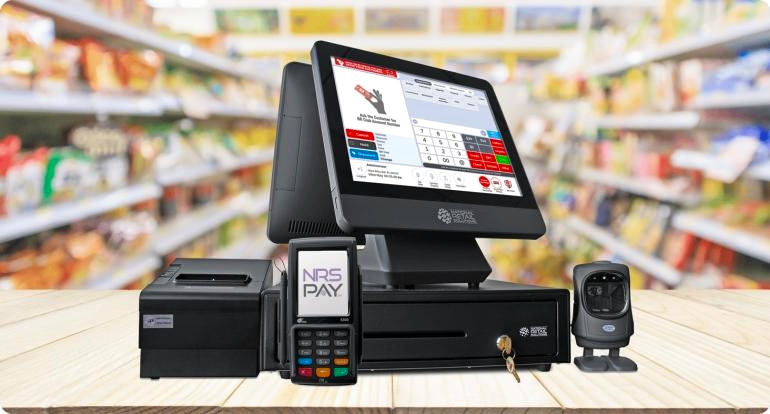
A Point of Sale (POS) system is the combination of hardware and software used by businesses to complete sales transactions.
Think of it as the digital version of a cash register, but much more powerful.
Core Components
- Hardware
- POS terminal or smartphone/tablet
- Card reader
- Receipt printer
- Barcode scanner
- Software
- Sales processing system
- Inventory management
- Reporting & analytics
- Payment integration
How POS Systems Work
A typical POS transaction follows this flow:
- Product Selection – Items are scanned or entered
- Price Calculation – System totals the cost (including tax)
- Payment Processing
- Cash
- Card
- Mobile money (like M-Pesa)
- Transaction Approval – Payment is verified
- Receipt Generation – Printed or sent digitally
- Data Storage – Sale recorded for reports and inventory
Types of POS Systems in Kenya
1. Traditional POS Systems
- Found in supermarkets and large retail shops
- Fixed terminals with full setups
2. Mobile POS (mPOS)
- Uses smartphones/tablets
- Ideal for small businesses and field sales
3. Cloud-Based POS
- Data stored online
- Accessible from anywhere
- Popular with startups and growing SMEs
4. Integrated POS Systems
- Connected with accounting, CRM, and inventory systems
Businesses That Require POS Systems
POS systems are no longer just for big retailers. In Kenya, they are useful for:
- Retail shops & supermarkets
- Restaurants & cafes
- Pharmacies
- Petrol stations
- Salons & barbershops
- Hardware stores
- Matatu & ticketing services
- Agrovet shops
Even small biashara like kiosks benefit when using mobile POS solutions.
How POS Systems Help Businesses
1. Faster Transactions
Reduces queues and improves customer experience.
2. Accurate Record Keeping
No more manual bookkeeping errors.
3. Inventory Management
Tracks stock in real-time.
4. Sales Insights
- Daily, weekly, monthly reports
- Identify best-selling products
5. Multiple Payment Options
Supports:
- Cash
- Cards
- Mobile money (especially M-Pesa)
6. Fraud Reduction
Digital records reduce theft and discrepancies.
Popular POS Providers in Kenya
Some well-known providers include:
- Safaricom (Lipa na M-Pesa solutions)
- KCB Bank Kenya
- Equity Bank Kenya
- iPay Kenya
These offer both hardware devices and integrated payment solutions.
How to Develop a POS System (For Tech Innovators)
If you’re targeting developers and tech entrepreneurs, this is where it gets interesting.
1. Define the Use Case
- Retail
- Restaurant
- Service-based business
2. Choose the Tech Stack
- Frontend: React, Flutter (for mobile POS)
- Backend: Node.js, Django, Laravel
- Database: MySQL, PostgreSQL
3. Core Features to Build
- Sales processing
- Inventory tracking
- User management
- Reporting dashboard
4. Payment Integration
Integrate APIs such as:
- Safaricom Daraja API (for M-Pesa)
- Bank card processors
5. Hardware Integration
- Bluetooth card readers
- Barcode scanners
- Thermal printers
6. Security Considerations
- Data encryption
- Secure authentication
- Compliance with payment standards
Challenges in POS Adoption in Kenya
- High initial cost for hardware
- Internet dependency (for cloud POS)
- Resistance from traditional traders
- Limited tech knowledge in rural areas
Opportunities for Kenyan Tech Entrepreneurs
- Build low-cost POS apps for SMEs
- Develop offline-first POS systems for rural areas
- Create industry-specific POS solutions (e.g., agrovet, matatu SACCOs)
- Offer POS as a service (subscription model)
There’s a huge untapped market in Kenya’s informal sector.
Conclusion
POS systems are no longer optional, they are essential tools for business growth in Kenya. As digital payments continue to dominate, businesses that adopt POS systems gain a competitive edge through efficiency, data insights, and improved customer experience.
For developers and innovators, POS systems present a massive opportunity to build scalable, impactful tech solutions tailored to the Kenyan market.