Samosa Business in Kenya: A Profitable Street Food Venture (2026 Guide)
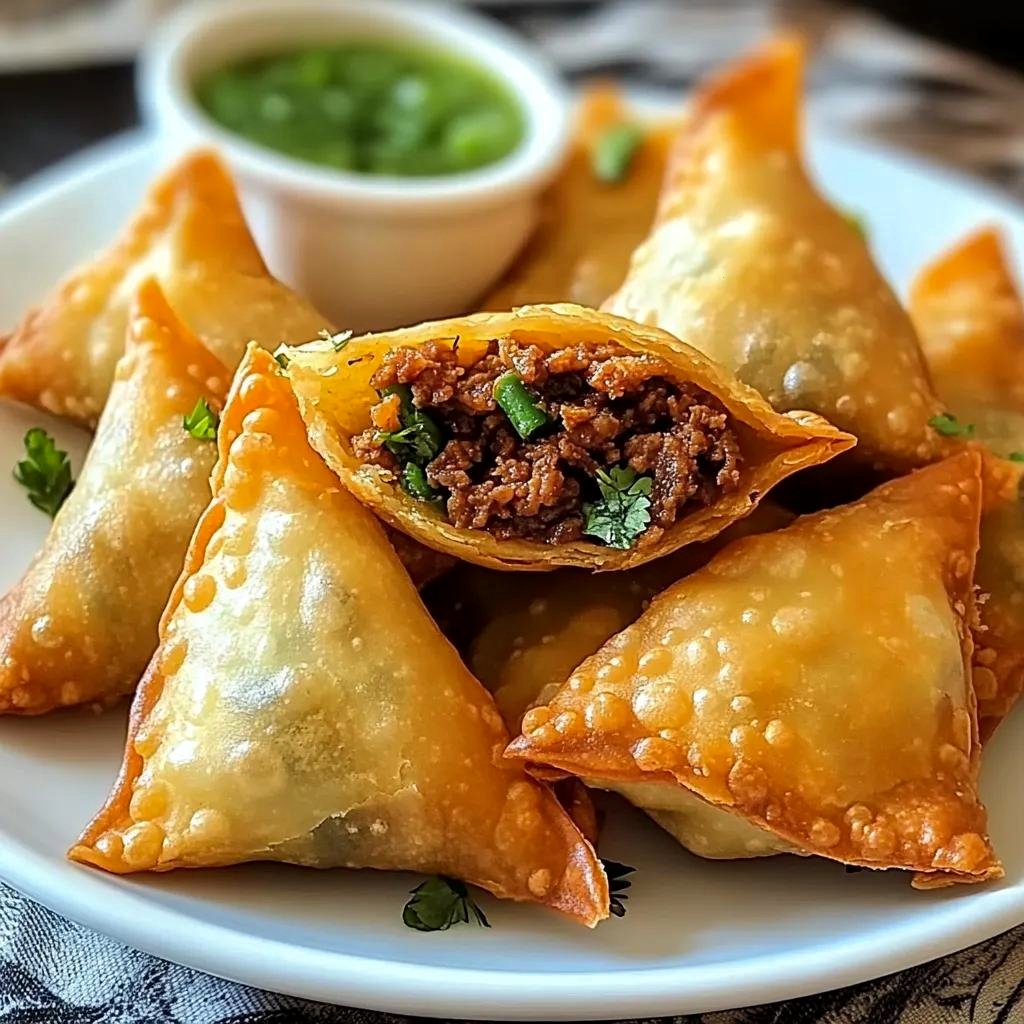
Samosa is one of the most popular street foods in Kenya, found in estates, bus stages, schools, and marketplaces. With prices averaging KSh 10 for ndengu/potato samosas and KSh 20 for minced meat, it is a high-demand, fast-moving product with low startup capital.
If done right, a samosa stall can generate daily consistent income and grow into a serious business.
🥟 What Makes Samosa a Good Business?
- Affordable to produce and sell
- High demand across all income groups
- Flexible (can be sold anywhere)
- Can be combined with other snacks (smokies, eggs, tea)
- Easy to scale (from hawking → stall → supply business)
Samosas are deeply rooted in Kenyan street food culture and are consumed daily in urban and rural areas alike .
🧑🍳 Step-by-Step Process: How to Make Tasty Samosas
1. Ingredients Needed
For the outer covering (patti/dough)
- All-purpose flour
- Water
- Oil
- Salt
For fillings (choose your type)
- Minced meat (beef/chicken)
- Potatoes + peas
- Ndengu (green grams)
Spices & additives
- Onion, garlic, ginger
- Black pepper, turmeric, chili powder
- Garam masala
- Coriander (dhania)
👉 These ingredients are standard in Kenyan samosa preparation.
2. Cooking the Filling
- Heat oil in a pan
- Add onions, garlic, ginger
- Add spices and stir
- Add minced meat OR mashed potatoes/ndengu
- Cook until dry and well mixed
- Let it cool
👉 Proper seasoning and dryness of filling is key to taste and shelf life.
3. Folding the Samosas
- Use samosa patti (ready-made or homemade)
- Add filling
- Fold into triangle shape
- Seal using flour + water paste
4. Deep Frying
- Heat oil
- Fry until golden brown
- Remove and drain excess oil
👉 Samosas are typically deep-fried to achieve a crispy exterior and rich taste
5. Serving & Storage
- Serve hot
- Keep in a warm display (not airtight)
- Best sold within the same day
🧰 Requirements for a Stall-Based Samosa Business
Basic Equipment
- Deep frying pan (karai)
- Jiko, gas burner, or stove
- Sufurias (cooking pots)
- Spoons, knives, chopping board
- Plastic containers for storage
- Serving display (glass box or tray)
Ingredients Stock
- Flour / samosa patti
- Cooking oil
- Onions, spices
- Filling ingredients (meat, potatoes, ndengu)
Business Setup
- Small stall, cart, or roadside space
- Access to water
- Waste disposal plan
Licenses (when scaling)
- County single business permit
- Food handling certificate
👉 Many beginners start informally and formalize later as they grow
💰 Tentative Budget (Starting Small in Kenya)
Option 1: Ultra-Low Budget (Hawking Model)
| Item | Cost (KSh) |
|---|---|
| Ingredients (first batch) | 1,000 – 2,000 |
| Cooking oil | 500 – 1,000 |
| Charcoal/Jiko | 1,000 |
| Basic utensils | 1,000 |
| Total | 3,500 – 5,000 |
Option 2: Small Stall Setup
| Item | Cost (KSh) |
|---|---|
| Ingredients (bulk) | 3,000 – 5,000 |
| Gas + burner | 3,000 – 6,000 |
| Utensils | 2,000 |
| Display cabinet | 3,000 – 8,000 |
| Stall setup | 2,000 – 5,000 |
| Total | 10,000 – 25,000 |
👉 You can start with as little as KSh 1,000–10,000 and grow gradually
📊 Profit Potential Example
- Cost per samosa (avg): KSh 5–8
- Selling price:
- Veg/ndengu: KSh 10
- Meat: KSh 20
Daily Sales Example:
- 100 samosas/day
- Profit per piece ≈ KSh 5–10
👉 Daily profit: KSh 500 – 1,000+
👉 Monthly potential: KSh 15,000 – 30,000+With volume and good location, profits increase significantly.
🚀 Tips & Insights for Success
1. Location is Everything
- Near schools, bus stops, markets
- High foot traffic = high sales
2. Taste = Your Brand
- Use enough spices
- Maintain consistency
3. Hygiene Builds Trust
- Clean oil and utensils
- Fresh ingredients
👉 Poor hygiene drives customers away quickly
4. Increase Basket Size
Sell with:
- Smokies
- Boiled eggs
- Tea/porridge
👉 This can double profits
5. Batch Production Strategy
- Prepare in bulk (100–300 pieces)
- Freeze raw samosas for quick frying
6. Control Oil Costs
- Oil is a major expense
- Reuse wisely (not excessively)
7. Scale Smartly
Start → Grow → Expand:
- Hawking
- Small stall
- Supply shops & schools
- Bulk production
🔥 Final Verdict: Is Samosa Business Worth It?
Yes, very profitable if done right.
- Low startup capital
- High daily demand
- Fast turnover
- Easy to expand
Many successful entrepreneurs in Kenya have grown from simple samosa selling into large food businesses .
💡 Bottom Line
A samosa business is one of the simplest and most reliable ways to start earning daily cash in Kenya. With good taste, the right location, and consistency, even a small roadside stall can grow into a KSh 50,000+ per month business.