Seed Propagation Business in Kenya: A Profitable Opportunity for Small-Scale Farmers
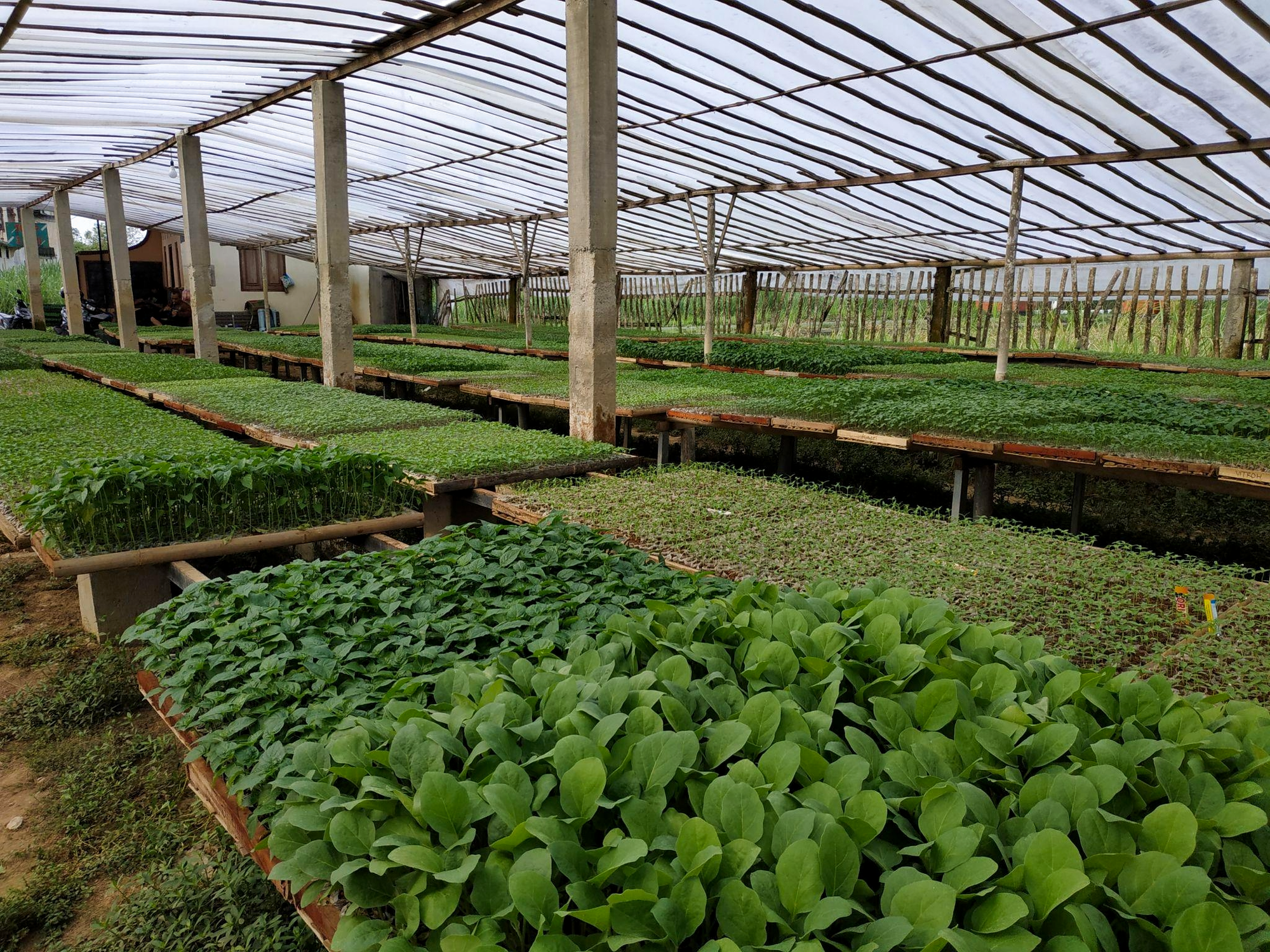
What is Seed Propagation?
Seed propagation is the process of raising young plants (seedlings) from seeds in a controlled environment (nursery) before transplanting them to the farm.
Instead of farmers planting seeds directly in the field, seedlings are first grown in:
- Seed trays
- Nursery beds
- Pots or containers
They are then sold or transplanted when strong and healthy.
Why Many Farmers Prefer Buying Seedlings
Many small-scale farmers in Kenya avoid making seedbeds because:
- It requires skill and experience
- Germination can fail due to poor handling
- Seed wastage is high
- Seedlings can be weak or diseased
Professional nurseries solve this problem by supplying:
- Strong, uniform seedlings
- Disease-free plants
- Ready-to-transplant crops
This is why companies like Plant Raisers exist, to handle the risky early stage for farmers. Seedlings from such nurseries often achieve 85–90% germination success, increasing farmer profits.
Is Seed Propagation a Profitable Business in Kenya?
Yes, highly profitable if done correctly.
Why It Works
- Constant demand from farmers
- Every crop starts with seedlings
- Growing horticulture & greenhouse farming
- Farmers prefer buying ready seedlings
For example:
- Tomato seedlings sell at Ksh 10–30 each
- Sukuma wiki, spinach, managu: Ksh 2–10 each
- Cost per seedling: Ksh 5–10
- Profit per seedling: Ksh 10–20
👉 Producing 10,000 seedlings can generate about Ksh 150,000 revenue depending on pricing. Even small groups in rural Kenya supply 5,000+ seedlings monthly and reinvest profits to grow their business.
Best Vegetable Seedlings to Grow in Kenya
Start with fast-moving, high-demand crops:
- Sukuma wiki (kale)
- Spinach
- Managu (African nightshade)
- Tomatoes
- Cabbage
- Onions
- Capsicum
👉 These sell quickly because they are staple foods in Kenyan households.
How to Start a Seedling Nursery (Beginner Guide)
1. Choose a Suitable Location
- Near water source
- Accessible to customers
- Secure (avoid animals/theft)
- Well-drained soil
2. Start Small (Home-Based Setup)
You can begin in:
- Backyard
- Small rented plot
- Even 10×10 ft space
3. Basic Setup Requirements (Low Budget)
Essential Items:
- Seed trays (or improvised containers)
- Shade net (or grass/banana leaves)
- Watering can
- Fine soil + compost/manure
- Quality seeds
- Polythene sheet (optional)
Budget Estimate (Lean Startup)
| Item | Cost (Ksh) |
|---|---|
| Seeds | 1,000 – 3,000 |
| Seed trays | 2,000 – 5,000 |
| Shade (DIY) | 1,500 – 3,000 |
| Soil & manure | 1,000 |
| Watering tools | 500 – 1,000 |
| Total | ~5,000 – 10,000 |
👉 You can literally start this business with Ksh 5,000–10,000
4. Step-by-Step Seedling Production
- Prepare fine, fertile soil mix
- Fill trays or nursery beds
- Plant seeds at correct depth
- Water gently (avoid flooding)
- Provide shade (avoid direct sun)
- Control pests/diseases
- Harden seedlings (reduce water before selling)
Seedlings are ready in:
- 2–4 weeks (most vegetables)
Marketing & Selling Your Seedlings
Where to Sell
- Local farmers
- Markets
- Roadside stalls
- Agrovet shops
- Farmer groups
- Schools & institutions
Smart Selling Strategy
- Sell near planting seasons (March–May, Oct–Dec)
- Offer delivery (huge advantage)
- Take advance orders
- Educate farmers (build trust)
Companies like PremaGrow Company Limited thrive by combining quality seedlings + farmer support + convenience.
Expected Returns (Realistic Breakdown)
Example: Small Nursery
- Production: 5,000 seedlings/month
- Selling price: Ksh 5 each
👉 Revenue = Ksh 25,000Costs (seeds, water, labor, inputs): ~Ksh 10,000👉 Profit = Ksh 10,000 – 15,000/month
Example: Medium Scale
- Production: 10,000 seedlings
- Selling price: Ksh 15
👉 Revenue = Ksh 150,000
👉 Profit can reach Ksh 50,000 – 100,000 depending on efficiency
Key Success Tips
1. Quality is Everything
Farmers will always return if:
- Your seedlings are healthy
- Germination rate is high
- Growth is uniform
2. Specialize First
Start with 2–3 crops:
- Sukuma
- Spinach
- Tomatoes
Then expand later.
3. Time the Market
- Produce seedlings before rainy seasons
- That’s when demand spikes
4. Add Value
- Offer transplanting services
- Sell farm inputs
- Provide farming advice
5. Scale Smartly
Reinvest profits into:
- More trays
- Better shade structures
- Irrigation system
Challenges to Expect
- Water shortage
- Pest/disease outbreaks
- Unsold seedlings (poor timing)
- Competition from established nurseries
👉 Solution: Start small, learn fast, scale gradually.
Final Verdict: Is It Worth It?
Seed propagation is one of the best low-capital agribusinesses in Kenya because:
- High demand
- Quick returns (2–4 weeks cycles)
- Small space required
- Easy to start at home
👉 If done properly, it can grow into a steady Ksh 10,000–100,000/month business
Bonus Insight (Power Move 💡)
Combine seedling business with:
- Vegetable farming
- Organic manure production
- Agrovet retail
👉 This creates multiple income streams from one setup