Start a Fresh-Produce Grocery Stall in Kenya
🥬 Start a Grocery Stall in Kenya with KSh 5,000
🌟 Why It Works
- Daily demand: Every family buys vegetables, onions, tomatoes, and fruits daily.
- Low perishability risk if you buy small, fresh stock daily.
- Easy to start: Requires no formal training or licensing at very small scale.
- Fast cashflow: Most customers pay instantly — no credit.
- Flexible: You can start right outside your gate, near a bus stage, or market corner.
💰 Estimated Startup Capital (KSh 5,000)
| Item | Estimated Cost (KES) |
|---|---|
| Fresh stock (kales, tomatoes, onions, potatoes, carrots, fruits, etc.) | 2,500 |
| Display table / crates / basin / buckets | 1,000 |
| Umbrella / shade / sacks / covering | 700 |
| Small knife, weighing bowl, polythene/eco bags | 400 |
| Branding or small signboard | 400 |
| Total | ≈ 5,000 |
💡 You can cut costs further by using recycled crates, second-hand umbrella, or free stall space at home.
📈 Daily Sales & Profit Estimate
| Item | Daily Sales (KES) | Approx. Profit |
|---|---|---|
| Sukuma wiki (1 bunch @ KSh 10 → sell @ 20) | 300 | 150 |
| Tomatoes, onions, capsicum mix | 500 | 200 |
| Potatoes, carrots, fruits | 700 | 250 |
| Total Daily Revenue | 1,500 | |
| Daily Profit (after waste/loss) | KSh 400–600 | |
| Monthly Net Profit (25 days) | KSh 10,000–15,000 |
With reinvestment, you can quickly double stock to 10K and earn 25K–30K/month within 2–3 months.
🏪 Location Tips
Choose:
- High foot-traffic areas (estates, near schools, stages, markets)
- Places with few direct competitors or poor display setups
- Safe, visible, and well-lit spot
- Access to water and shade for freshness
💡 Tricks & Edge to Stand Out
- Be early & consistent: Open before 7 AM — office workers & mama mbogas buy early.
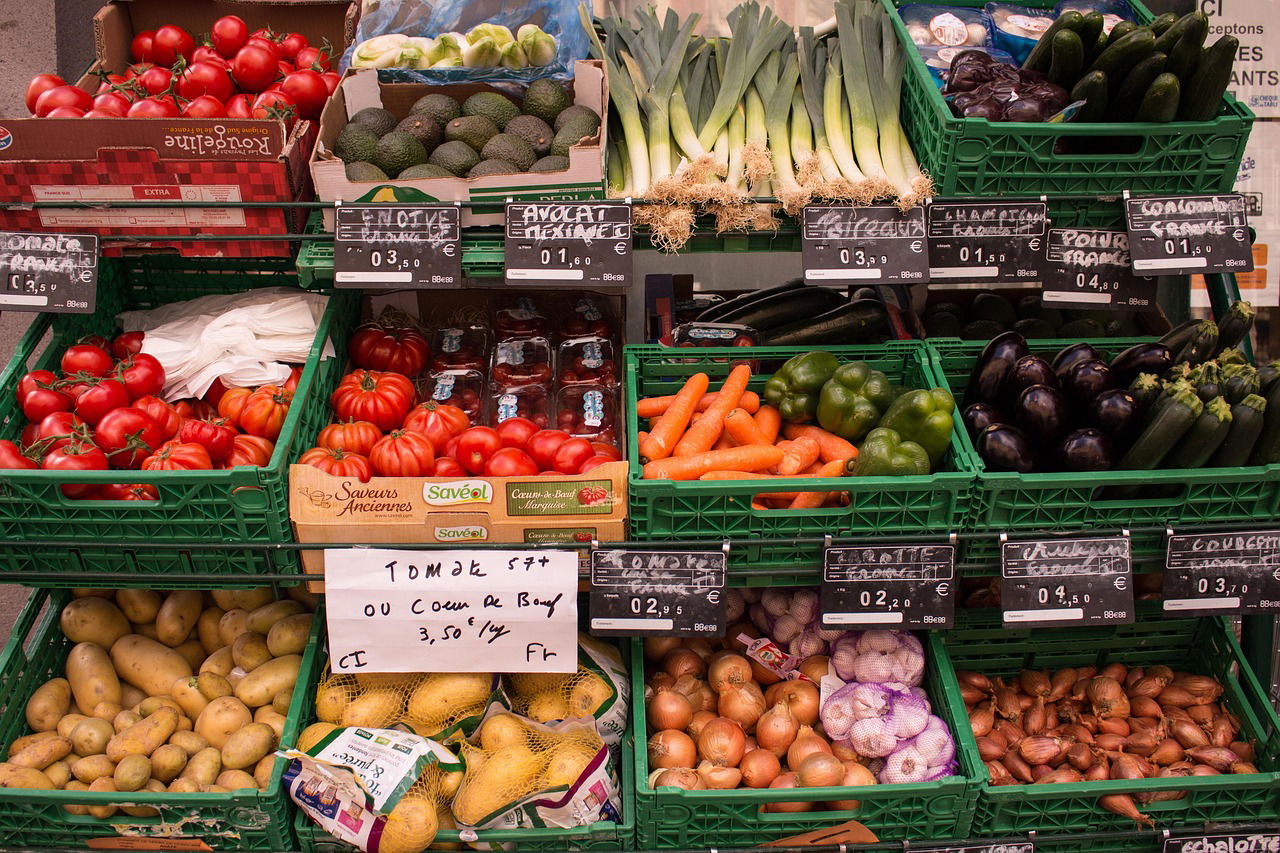
- Neat display = more sales: Arrange tomatoes & onions by color, size & balance. Cleanliness attracts!
- Bundle smartly: “KSh 20 mixed pack” (kales, tomatoes, onions, carrots). It saves customers time.
- Be friendly: Greet customers warmly — people buy from people they like.
- Offer small credit (trusted clients only): Builds loyalty in estates.
- Stay fresh: Buy small stock twice a day to avoid spoilage.
- Add variety: Even small extras — lemons, avocadoes, green pepper, coriander — make your stall a “one-stop” spot.
- Free plastic bag alternative: Use brown paper bags or old newspapers neatly — shows care.
- Display price clearly: People fear asking prices — transparency builds trust.
- Social media for estate sellers: Share “fresh stock just arrived 🥬🍅” on WhatsApp status every morning.
⚙️ Simple Daily Routine
- Buy stock early (6–8 AM) from open-air market (Marikiti, Kangemi, Gikomba, etc.).
- Wash & neatly arrange items at your stall.
- Start selling by 9 AM. Keep stock shaded.
- Refresh greens midday.
- Sell until 8 PM (or earlier in estates).
- Sort leftovers — reuse or sell to food vendors.
⚠️ Common Mistakes to Avoid
- Overstocking: Leads to spoilage losses — buy only what can sell that day.
- Mixing rotten with fresh: Customers lose trust fast.
- Neglecting cleanliness: Dusty, untidy stalls chase buyers away.
- Selling same produce every day: Add seasonal items for variety.
- No price control: Always track your margins — don’t guess!
🧠 Smart Growth Ideas
When profits increase:
- Add a fruit corner — bananas, mangoes, pineapples.
- Get a weighing scale for fairness & professionalism.
- Add delivery to nearby households (KSh 20 per delivery).
- Partner with local hotels/chips vendors for supply.
- Eventually rent a small shop or double stall.
✅ Final Thoughts
Starting a grocery stall with KSh 5,000 is not only realistic — it’s one of Kenya’s most reliable low-risk hustles.
Success depends more on discipline, consistency, and friendliness than the amount of capital.💡 Your edge?
👉 Clean display, honest weights, friendly service, and a fresh, colorful stall. “Small Stall. Fresh Start. Daily Profit.”