Start a Herbal Blending & Repackaging Home-Based Business in Kenya
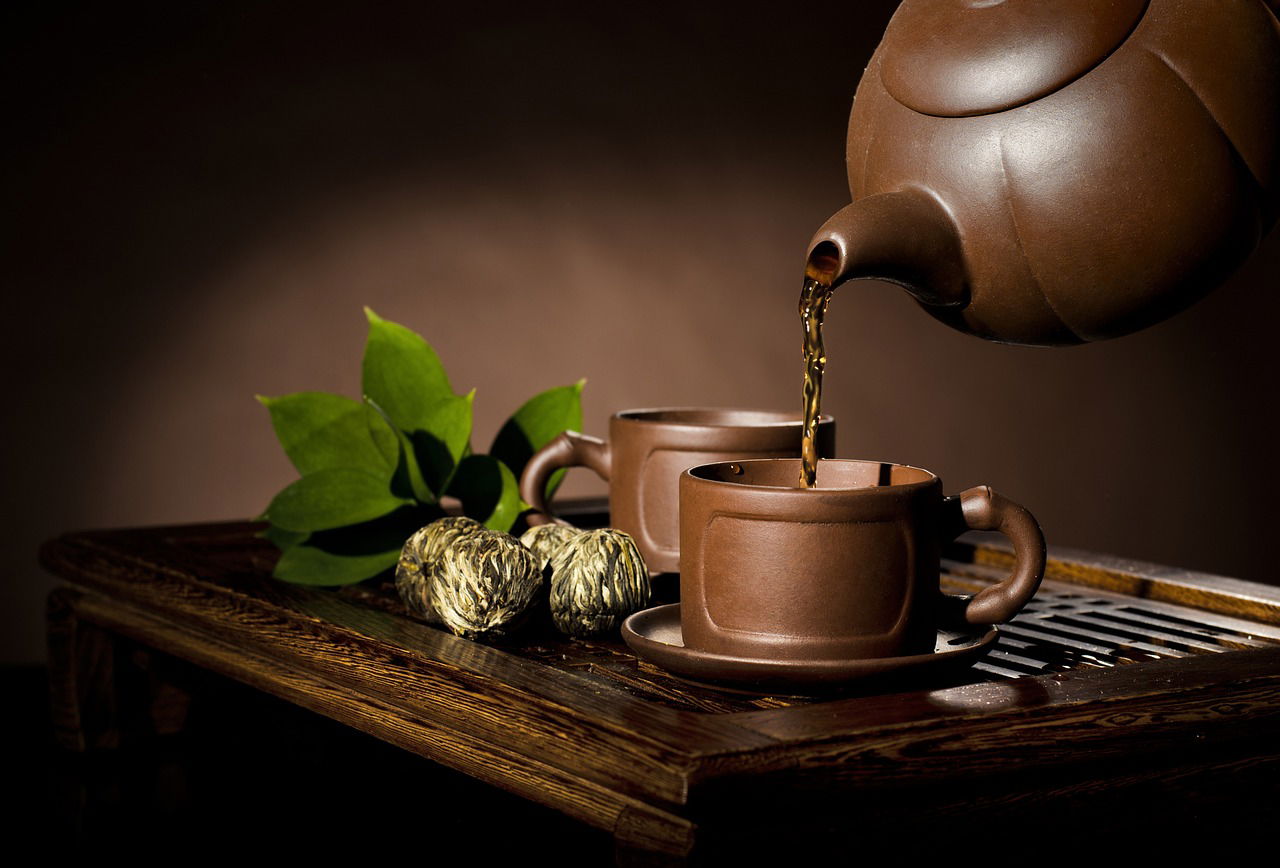
🍵 Tea Blending & Repackaging (≤ KSh 20,000)
Quick reality check (compliance)
- If you pack or re-pack true tea (Camellia sinensis)—i.e., black/green tea—you are considered a tea packer and must register with the Tea Board of Kenya before packing. Penalties for packing without registration are significant. Kenya Law+3Kenya Law+3Teaboard+3
- For herbal-only blends (lemongrass “mchai chai”, hibiscus, ginger, etc.), Tea Board rules generally don’t apply; however, food labeling for pre-packaged foods still does (product name, ingredients, net weight, manufacturer contacts, batch/date, etc.). Kenya Bureau of Standards+2Kenya Bureau of Standards+2
👉 Recommendation for a KSh 20k starter: begin with herbal blends only (no black tea) to launch fast and legally; add black/green tea later once you’re ready to register.
What you’ll sell
Small affordable packs (great for estates/markets):
- KSh 20 sachet (≈ 4–6 g) – “one mug”
- KSh 50 sachet (≈ 12–15 g) – “3–4 mugs”
- KSh 100 pouch/jar (≈ 25–30 g) – “a week’s tea”
Popular Kenyan profiles
- Lemongrass (mchai chai) solo, or Lemongrass + Ginger
- Hibiscus (roselle) + Lemongrass
- Ginger + Clove + Cinnamon (chai masala–style herbal)
Lemongrass (Cymbopogon citratus) is widely known/used as a tea herb locally. Wikipedia+2jikonipalatables.com+2
Starter budget (example, herbal-only)
| Item | Est. cost (KSh) |
|---|---|
| Dried herbs (lemongrass, hibiscus, ginger/clove/cinnamon) – starter 6–8 kg assorted | 6,000 |
| Food-grade pouches (100–150 small sachets + 50 medium stand-up pouches) | 3,500 |
| Labels (basic printed stickers) | 1,500 |
| Heat sealer (mini impulse) | 2,500 |
| Digital kitchen scale (up to 5 kg) + scoops & gloves | 2,500 |
| Simple table display + banner (for estate/market) | 2,000 |
| Misc. (sanitizer, zip bags for bulk, transport) | 1,000 |
| Total | ~19,000 |
If you prefer small plastic jars for the KSh 100 size, swap 30–50 pouches for 30–50 100–150 ml jars (cost similar). See sourcing below.
Unit economics (illustrative)
Assume your average blend cost (raw + packaging + label) ≈ KSh 18 per 10 g.
- KSh 50 sachet (12–15 g) → cost ≈ 22–27; gross margin ≈ KSh 23–28
- KSh 100 pouch/jar (25–30 g) → cost ≈ 45–54; gross margin ≈ KSh 46–55
Sell, say, 30 small sachets + 15 medium per day (modest estate stall / shop-in-shop):
- Daily gross profit ≈ (30 × 25) + (15 × 50) ≈ KSh 1,875
- 22 selling days → ~KSh 41,000 gross profit/month (before tiny overheads)
Update your COGS once you know your exact herb and packaging prices.
How to run it (simple workflow)
- Source herbs (clean, food-grade) from produce/herbal wholesalers or trusted farmers; dry fully if buying fresh.
- Blend & weigh: create 2–4 signature blends; keep batch records and consistent weights.
- Pack & seal: use a mini heat sealer; label with product name, ingredients, net weight, contacts, packed-on/best-before (follow pre-pack labeling rules). Kenya Bureau of Standards
- Sell: estates, market days, outside salons/barbers, and online (WhatsApp, Facebook Marketplace).
- Reinvest: expand flavors; design nicer labels/foil pouches; consider KEBS standardization mark if/when you scale retail widely.
Sourcing pointers (practical)
Herbs (wholesale):
- Open-air produce hubs (Wakulima/Marikiti, Gikomba) and county markets often stock lemongrass (mchai chai), hibiscus (roselle), ginger, clove, cinnamon.
- For eventual black tea in bulk, use licensed suppliers or bulk/wholesale platforms; but remember packing registration if you’ll repack true tea. Go4WorldBusiness+1
Packaging (budget options):
- Kamukunji / River Road / Nyamakima (Nairobi) – numerous shops for food-grade pouches, jars and labels (example: Kamukunji Plastics has active wholesale presence). Facebook+1
- Mfangano Street – Sunbeam Complex has specialty packaging sellers (small plastic containers/jars commonly used for honey/snacks—often the same food-grade jars suitable for tea). Facebook
Selling strategy (what works)
- Price boards: “Herbal Tea Blends — KSh 20 / 50 / 100”
- Sampling flask on weekends—small sips convert walk-bys.
- Bundles: 5 × KSh 50 mix = KSh 200 (save KSh 50).
- WhatsApp Business catalog with M-Pesa paybill/till.
- Retail partners: salons, mini-marts, agrovet/pharmacies (consignment or 20–30% margin).
Food safety & labeling checklist
- Keep herbs dry, clean, and covered; use gloves and dedicated scoops.
- Label every pack: name (“Herbal Tea – Lemongrass & Ginger”), ingredient list, net weight (g), manufacturer name/contacts, batch/date; avoid medical claims. (See EAS/KEBS labelling guidance.) Kenya Bureau of Standards+2Kenya Bureau of Standards+2
Want to include REAL tea later?
When you’re ready to blend with black/green tea, plan for Tea Board packer registration and more formal premises. Read the Tea Act/Regulations first to avoid costly mistakes. Kenya Law+1
Bottom line
- Yes, it’s a good micro-business for a home-based starter.
- Launch herbal-only now (within ≤KSh 20k), build customers and proof of demand, then decide whether to scale into true tea with the right licensing.