Start a Home-Based Khaki Packaging Bags Business in Kenya
What you’ll sell
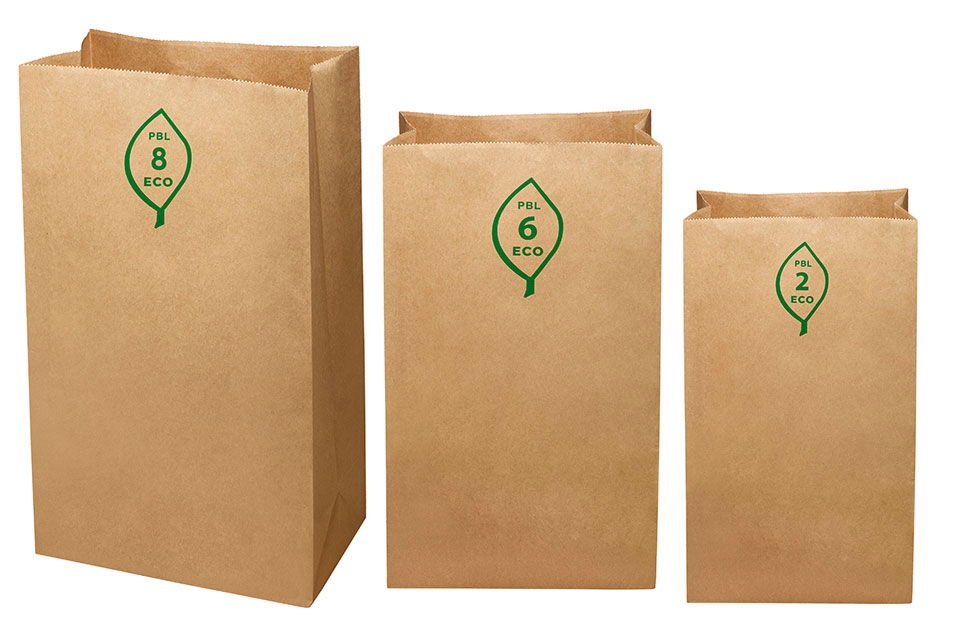
- Standard flat-bottom khaki bags in: ¼ kg, ½ kg, 1 kg (unprinted to begin; print later as an upsell).
- Supply in bundles of 50 or 100 per size to shops/stalls.
Starter budgets
Option A — Lean start (~KSh 5,000–6,000)
- Kraft paper (5–8 kg, 60–80 gsm): KSh 1,500–2,400
- PVA white glue (food-safe) and/or starch (to cook DIY glue): KSh 350
- Cutting tools (metal ruler, cutter/utility knife, scissors), bone folder: KSh 700
- Simple folding jig (DIY from plywood/cardboard), clips/pegs: KSh 600
- Measuring tape & cutting mat/cardboard board: KSh 500
- Bundling string, labels, clear wrap: KSh 350
- Table space & cleaning supplies: KSh 300
- Total: ~KSh 4,300–5,200 (allow buffer → ~KSh 6,000)
Option B — Comfortable (~KSh 9,000–10,000)
Everything above plus:
- Rotary trimmer (faster straight cuts): KSh 2,500
- Extra paper (10–12 kg): +KSh 1,800
- Spare glue/brushes & drying rack: KSh 800
You can start lean at ~KSh 5–6k if you already own scissors/cutter and a table.
Materials, tools & where to source (Kenya)
- Kraft paper (brown khaki, 60–90 gsm): paper/packaging dealers in Industrial Area (Nairobi), Kirinyaga Rd/River Rd corridors, Kamukunji, OTC/Sunbeam, and major town packaging shops (Nakuru Wakulima, Eldoret Huruma, Kisumu Kibuye, Mombasa—Ganjoni/Marikiti area).
- Glue: PVA (white) glue from stationery/hardware; or DIY starch glue (cornstarch + water; a pinch of salt/vinegar as preservative).
- Tools: metal ruler, utility knife, scissors, bone folder (or teaspoon edge), clips/pegs, measuring tape; optional rotary trimmer.
- Add-ons later: rubber stamp with your brand/contacts; simple screen-print for custom shop logos.
Bag sizes (practical starting patterns)
Use 60–80 gsm for ¼ & ½ kg; 70–90 gsm for 1 kg.
| Retail size | Cut sheet (W × H) | Notes |
|---|---|---|
| ¼ kg | 26 cm × 24 cm | 2 cm side overlap + 4 cm bottom turn-in |
| ½ kg | 32 cm × 28 cm | 2.5 cm overlap + 5 cm bottom |
| 1 kg | 38 cm × 34 cm | 3 cm overlap + 6 cm bottom |
Adjust +/– 1–2 cm based on your fold style and overlap preference. Make a cardboard template for each size to trace quickly.
Yield & paper economics (rule-of-thumb)
(Assume 70 gsm kraft; 1 kg ≈ 14.3 m²)
- ¼ kg (sheet ~0.062 m²): ≈ 225–230 bags/kg
- ½ kg (sheet ~0.090 m²): ≈ 155–160 bags/kg
- 1 kg (sheet ~0.129 m²): ≈ 110 bags/kg
If kraft costs ~KSh 280/kg:
- Paper cost per bag: ¼ kg ≈ KSh 1.22, ½ kg ≈ KSh 1.76, 1 kg ≈ KSh 2.53
- Add glue & overhead (~KSh 0.30–0.50): COGS ≈ KSh 1.5 / 2.1 / 3.0 respectively.
Suggested wholesale prices to shops (per bag):
- ¼ kg: KSh 2.5
- ½ kg: KSh 4.0
- 1 kg: KSh 6.0
Gross margin (per bag):
- ¼ kg: ~KSh 1.0
- ½ kg: ~KSh 1.9
- 1 kg: ~KSh 3.0
Sell in bundles of 100 to keep counting simple.
Step-by-step making process (manual, clean & repeatable)
- Prep workspace (clean & dry)
- Wipe table; keep hands/tools clean (food-adjacent packaging).
- Set your cardboard template & folding jig (a board with taped rulers at fold positions).
- Cut sheets
- Trace template; cut with utility knife + metal ruler (or rotary trimmer).
- Stack cuts for the day per size (e.g., 300 pcs ¼ kg).
- Create the tube
- Place sheet face down.
- Fold long sides to meet; overlap 2–3 cm; apply a thin line of PVA/starch glue on the overlap; press with bone folder for a clean seam.
- Form the bottom (flat base)
- Fold bottom up (per size: 4/5/6 cm).
- Open the fold; squash corners inward to make two triangles (like gift-wrap ends).
- Fold top and bottom flaps towards each other; glue the overlap.
- Press with bone folder/flat object; clip/peg for 20–60 seconds.
- Dry & stack
- Stand bags upright; allow glue to set.
- Keep stacks covered to avoid dust; ensure bottoms are flat.
- Quality check
- Check seam strength (light tug), square bottoms, clean edges, no glue smears.
- Count & bundle
- Bundles of 50 or 100; wrap with paper band + small label (size, quantity, your contact).
DIY food-safe starch glue (cheap & effective)
- Mix 2 tbsp cornstarch with 100 ml water into slurry.
- Heat 300 ml water to simmer; add slurry while whisking until it gels.
- Add pinch of salt + ½ tsp vinegar (mild preservative).
- Cool; store covered; remake every 2–3 days. (Use PVA for faster workflow.)
Production rate targets
- First week: 60–80 bags/hour (¼ kg) as you learn.
- After practice: 120–150 bags/hour (¼ kg); 80–100/hour (½ kg); 60–80/hour (1 kg).
- Daily output (4–6 hrs): 400–800 bags mixed sizes.
Daily/weekly numbers (example)
- Make & sell 1,000 bags/week mixed sizes → revenue ≈ KSh 4,000–5,000
- COGS (paper + glue) ≈ KSh 2,300–3,000 → Gross profit ≈ KSh 1,700–2,000/week
- As you speed up and sell 2,000+/week, profit scales predictably.
Who to sell to (near you)
- Kiosks, green-grocers, butcheries, pharmacies, bakers/cake moms, roasted-peanut & crisps vendors, grocery stalls, fruit sellers, bulk cereal shops.
- Start with your estate + nearest market loop and WhatsApp Business catalog. Offer free drop-off for 5+ bundles.
Simple sales script (works!)
“Habari, nina khaki bags za ¼, ½ na 1 kg—quality, food-safe, and flat bottom. Napeana in bundles of 100. Nikiwaletea leo jioni? ¼ kg @ 2.5, ½ kg @ 4, 1 kg @ 6. Ukirudisha cartons/jars next time nakuongeza 5 bags bonus.”
Add a loyalty sweetener: Buy 10 bundles → get +1 bundle free (¼ kg).
Compliance & hygiene (practical)
- County single-business permit once you start regular sales.
- Keep workspace clean & dry; store paper off the floor, covered.
- For large buyers/supermarkets later, ask about KEBS/food-contact requirements and consider printed batch labels (size, material, contact).
Quality tips (win repeat orders)
- Straight cuts, sharp creases, clean glue lines (use bone folder).
- Correct paper weight: lighter gsm saves cost but must hold weight without tearing.
- Flat bottoms that open quickly at the till.
- Consistent bundle counts—no “short bundles.”
Risks & how to manage
- Paper moisture/warping: store in closed carton; avoid damp floors.
- Slow sales at one shop: serve many small shops across 2–3 estates.
- Price pressure: keep an unprinted base line cheap; upsell stamped bags later.
- Hand fatigue: use a folding jig; do work in short sessions.
7-Day launch plan
- Day 1: Buy kraft, glue, tools; cut cardboard templates for 3 sizes.
- Day 2: Build a folding jig; practice 20–30 trial bags each size.
- Day 3: Produce 500 bags (¼ kg mostly); bundle & label.
- Day 4: Walk a 2–3 km estate loop; pitch 20+ shops; deliver same day.
- Day 5: Produce to order; add ½ kg size; create WhatsApp catalog.
- Day 6: Second sales loop; track who reorders fastest.
- Day 7: Review margins & time; tweak sizes; plan weekly targets.
Scale-up ideas (after 4–8 weeks)
- Rubber stamp your contact on each bag (KSh 1,000–1,500 stamp).
- Offer printed logo (simple one-color screen print; charge +KSh 1–2 per bag).
- Micro-die for faster bottom folds or a hand roller for creases.
- Add white paper or grease-resistant liners for oily foods (mandazi/samosa shops).
Bottom line
Yes—a home-based khaki bag venture works on KSh 5k if you keep it lean, neat, and consistent. Start with ¼ kg & ½ kg, master speed and quality, sell in bundles to nearby shops, and scale with reinvestment.