Step-by-Step Bamboo Treatment Method to Prevent Insects and Cracking
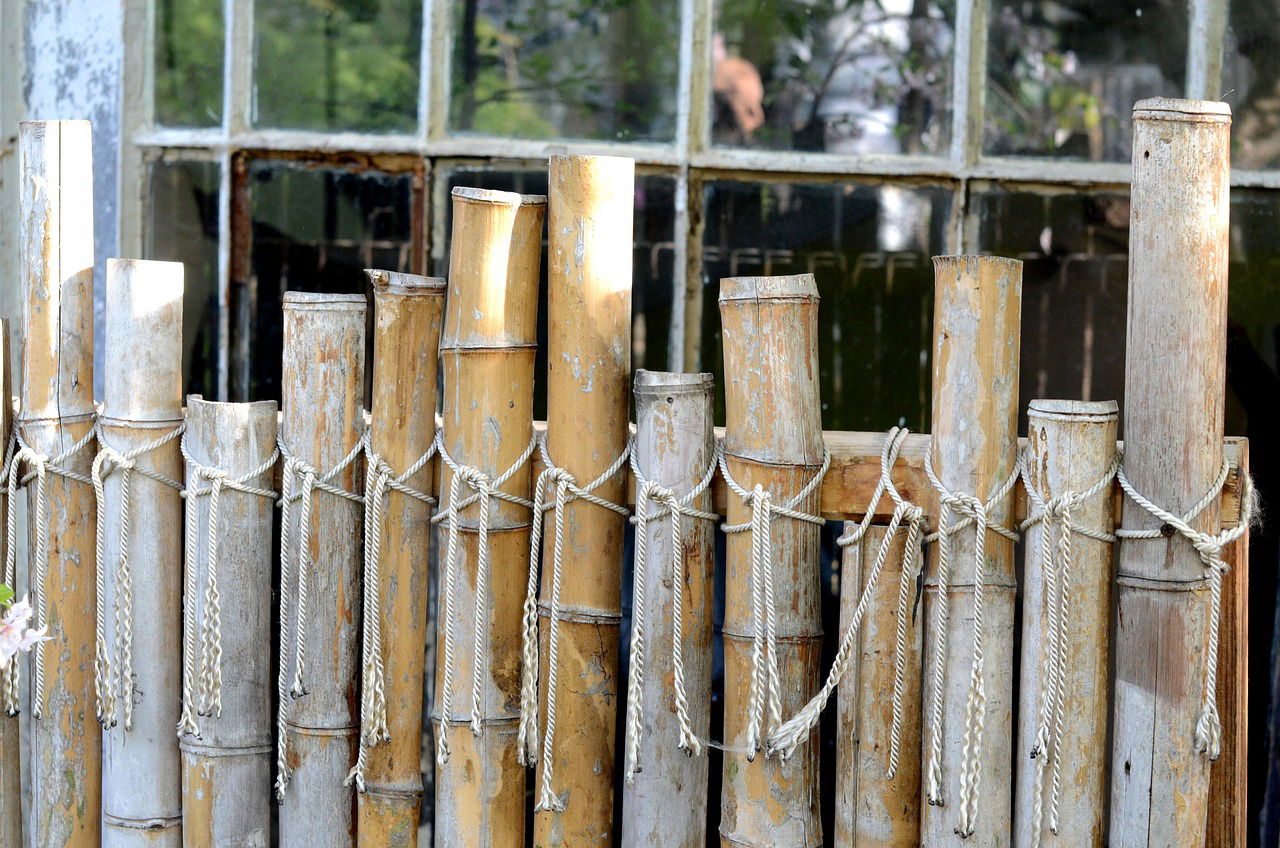
Bamboo is strong and versatile, but if it is not properly treated it can start deteriorating within a few months. Proper treatment helps bamboo last 10–20 years or more, making it suitable for furniture, crafts, and construction.
Below is a simple and affordable treatment method suitable for home-based bamboo workshops in Kenya.
Step 1: Select the Right Bamboo
The quality of bamboo starts with proper harvesting.
Tips for selection:
- Choose bamboo that is 3–5 years old (mature bamboo is stronger).
- Harvest during the dry season if possible.
- Avoid bamboo with cracks, insect holes, or fungus spots.
Best time to harvest:
- Early morning or late evening when sugar content is lower.
Why this matters:
High sugar levels attract insects.
Step 2: Cut and Trim the Bamboo
After harvesting:
- Cut the bamboo into the required lengths.
- Remove branches and leaves.
- Seal the ends with wax, paint, or wood glue.
Why seal the ends?
This slows moisture loss and prevents splitting and cracking.
Step 3: Soak the Bamboo in Water
This is one of the simplest traditional treatment methods.
Procedure:
- Submerge bamboo poles in running water or a tank.
- Leave them soaking for 7–14 days.
Purpose:
- Removes natural sugars and starch that attract insects.
Alternative:
- If you live near a river or stream, tie bamboo bundles and leave them submerged.
Step 4: Chemical Preservation Treatment
For better durability, apply a simple preservative treatment.
Common treatment solution:
- Borax + Boric acid solution
Mixing ratio:
- 1 kg borax
- 1 kg boric acid
- 20 litres of water
Procedure:
- Prepare the solution in a drum.
- Soak bamboo for 24–48 hours.
Benefits:
- Kills insect larvae
- Prevents termite attack
- Improves durability
This treatment is widely used for bamboo furniture and crafts.
Step 5: Proper Drying (Very Important)
Improper drying is the main cause of cracking.
Drying method:
- Place bamboo under shade.
- Do not dry directly in the sun.
- Stack horizontally on raised supports.
- Allow good air circulation.
Drying time:
- 3–6 weeks depending on weather
Goal:
Reduce moisture gradually to prevent cracks.
Step 6: Smoke Treatment (Optional Traditional Method)
Smoke curing is common in many traditional bamboo cultures.
Procedure:
- Hang bamboo above a smoky fire for several days.
Benefits:
- Repels insects
- Hardens bamboo
- Improves durability
This works well for baskets and craft materials.
Step 7: Sanding and Surface Preparation
Before crafting:
- Remove the outer wax layer if needed.
- Smooth surfaces using sandpaper.
This improves:
- Appearance
- Adhesion of finishes
Step 8: Apply Protective Finish
Finishing protects bamboo from moisture and insects.
Common finishes:
- Linseed oil
- Clear varnish
- Wood lacquer
- Beeswax polish
Apply 2–3 coats for best results.
Benefits:
- Improves durability
- Gives bamboo a beautiful shine
- Prevents moisture damage
Simple Low-Cost Bamboo Treatment Setup
You can set up a basic treatment station at home.
Items needed:
- 200-litre plastic drum
- Borax
- Boric acid
- Water tank
- Wooden drying rack
Estimated setup cost:
KSh 3,000 – 6,000
Common Mistakes to Avoid
❌ Drying bamboo in direct sunlight
❌ Using immature bamboo
❌ Skipping preservative treatment
❌ Storing bamboo on the ground
❌ Using untreated bamboo for furniture
These mistakes often cause cracking, insect damage, and short product lifespan.
Final Insight
Proper bamboo treatment is the secret behind high-quality bamboo products. With simple techniques like soaking, chemical treatment, slow drying, and proper finishing, bamboo crafts can last for many years and command higher prices in the market.
For entrepreneurs starting a bamboo craft business in Kenya, learning correct treatment methods can increase product quality, customer trust, and long-term profits.