Step-by-Step Guide to Grafting Coffee Seedlings in Kenya
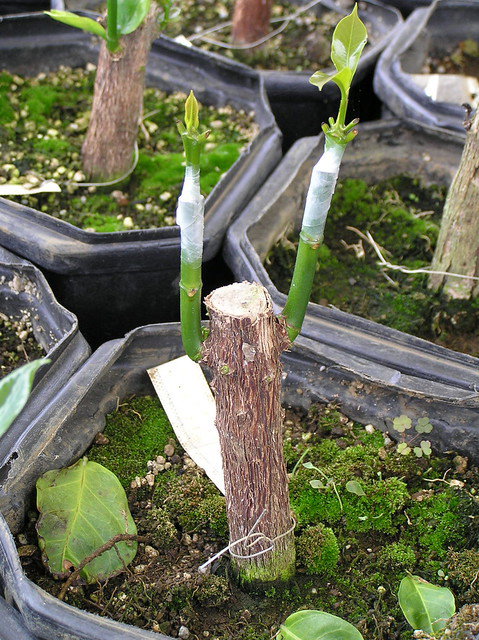
Coffee grafting is an important technique used in Kenya to combine the strong root system of traditional coffee varieties with the high productivity and disease resistance of modern varieties like Ruiru 11 and Batian.
Most farmers graft Ruiru 11 scions onto SL28 or SL34 rootstocks. This produces a plant that has:
- Deep and strong roots
- Higher resistance to drought
- Good yield and disease resistance
- Better long-term performance
This guide explains how beginners can graft coffee seedlings successfully in a nursery setting.
Why Coffee Grafting Is Important
Kenyan farmers commonly graft coffee for these reasons:
1. Stronger Root Systems
Traditional varieties like SL28 have deeper roots that absorb water efficiently.
2. Improved Yield
Modern varieties such as Ruiru 11 produce higher yields.
3. Disease Resistance
Ruiru 11 and Batian are resistant to major coffee diseases like:
- Coffee Berry Disease (CBD)
- Coffee Leaf Rust
4. Better Drought Tolerance
Grafting helps farmers adapt to climate change and irregular rainfall.
Best Rootstocks and Scions
Common Rootstocks
These are planted first and used for grafting.
- SL28
- SL34
- Blue Mountain
These varieties are preferred because they have deep and vigorous roots.
Common Scions (Top Varieties)
These are the varieties grafted onto the rootstock.
- Ruiru 11
- Batian
- Other improved hybrids
Tools and Materials Required
A beginner coffee nursery should have:
- Sharp grafting knife or razor blade
- Healthy rootstock seedlings
- Young scion seedlings
- Grafting tape or polythene strips
- Clean water
- Shade net or nursery shade
- Sterilizing alcohol (optional but recommended)
Estimated basic tool cost: Ksh 1,000 – 3,000
Best Age of Seedlings for Grafting
Timing is critical.
Rootstock seedlings should be:
- 8–12 weeks old
- Stem thickness about matchstick size
Scion seedlings should be:
- 4–6 weeks old
- Healthy and disease free
Step-by-Step Coffee Grafting Procedure
Step 1: Prepare the Rootstock
Select a strong seedling.
- Cut the stem 2–3 cm above the soil level
- Use a clean sharp blade
- Make a vertical split in the center of the stem
This split will hold the scion.
Step 2: Prepare the Scion
Select a healthy young Ruiru 11 seedling.
Cut the lower part of the stem into a wedge shape (V-shape).
The wedge should be:
- About 1–2 cm long
- Smooth and even
Step 3: Insert the Scion
Insert the wedge-shaped scion into the split rootstock.
Ensure:
- The cambium layers touch
- The scion fits tightly
This is the most critical step for successful grafting.
Step 4: Tie the Graft Union
Wrap the joint firmly using:
- Polythene strips
or - Grafting tape
The tie should:
- Hold the scion tightly
- Prevent moisture loss
- Protect the graft from infection
Step 5: Place Under Shade
Move grafted seedlings to a shaded nursery area.
Important conditions:
- Avoid direct sunlight
- Maintain moderate moisture
- Protect from strong wind
Shade is critical for healing the graft union.
Step 6: Monitor the Seedlings
After 2–3 weeks, the graft should begin to heal.
Signs of success:
- Scion remains green
- New leaves begin to grow
- No wilting
Remove any shoots growing from the rootstock below the graft.
Step 7: Remove the Wrapping
After 4–6 weeks, remove the grafting tape carefully.
At this stage the graft should be fully joined.
Hardening the Seedlings
Before selling or transplanting:
Gradually expose seedlings to sunlight over 2–3 weeks.
This process strengthens the plants.
When Grafted Seedlings Are Ready for Sale
Most grafted coffee seedlings are ready when they:
- Are 6–8 months old
- Have 6–8 pairs of leaves
- Have strong stems and roots
Typical nursery price in Kenya:
- Ksh 80 – 150 per seedling
Profit Potential for a Small Nursery
Example small nursery:
- 1,000 grafted seedlings
- Selling price: Ksh 100 each
Revenue:
- Ksh 100,000
Production cost estimate:
- Ksh 30,000 – 40,000
Possible profit:
- Ksh 60,000+ per batch
A small home nursery can produce several batches per year.
Tips for Successful Coffee Grafting
Always Use Sterilized Tools
This prevents disease infection.
Work Early in the Morning
Seedlings are more hydrated.
Select Healthy Seedlings
Weak plants lead to graft failure.
Maintain Proper Nursery Hygiene
Keep weeds and pests away.
Practice the Technique
Beginners may experience 20–30% failure initially, but success improves with experience.
Common Mistakes to Avoid
- Using old or weak seedlings
- Poor alignment of cambium layers
- Loose graft tying
- Too much direct sunlight after grafting
- Overwatering seedlings
Final Thoughts
Coffee grafting is a highly profitable skill for nursery operators in Kenya. With proper training and practice, a small nursery can produce thousands of grafted coffee seedlings every year.
These seedlings are in constant demand from:
- Smallholder coffee farmers
- Coffee cooperatives
- Government and NGO programs
- Agricultural projects promoting coffee expansion
For anyone interested in agribusiness, a coffee seedling nursery combined with grafting services can become a steady income venture.