Step-by-Step SOP for Making Cheap Homemade Chicken Feed in Kenya
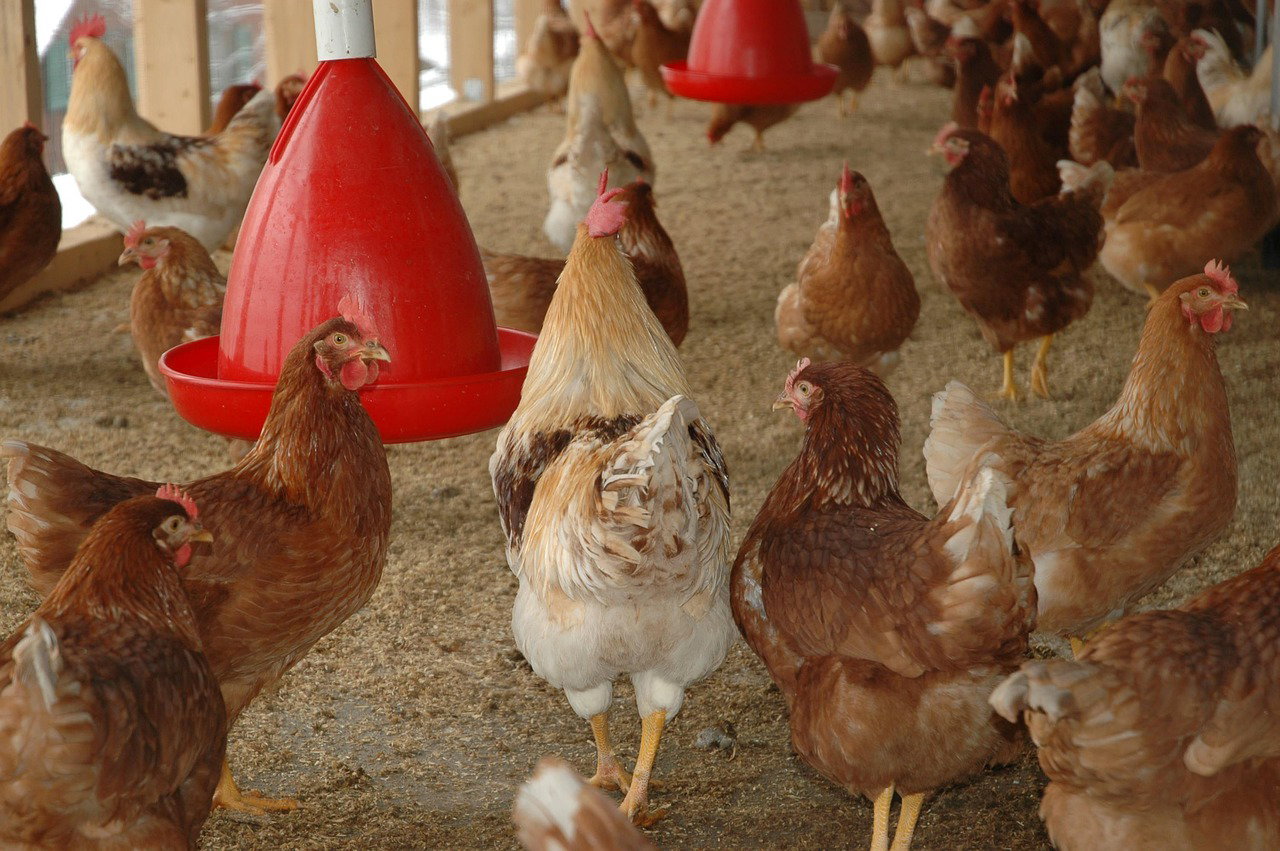
For most poultry farmers in Kenya, chicken feed is the biggest cost of production, often consuming 60–70% of the total budget. Many farmers struggle to make profits because commercial feeds are expensive.
Fortunately, farmers can reduce feed costs by mixing their own poultry feed using locally available ingredients such as maize, wheat pollard, sunflower cake, and fishmeal.
This guide provides a simple step-by-step Standard Operating Procedure (SOP) for making affordable, nutritionally balanced homemade chicken feed suitable for layers, broilers, and kienyeji chickens.
Materials and Equipment Needed
Basic equipment required includes:
- Large mixing basin or plastic sheet
- Weighing scale
- Buckets or containers
- Shovel or spade for mixing
- Storage bags or airtight containers
Good mixing is very important to ensure all nutrients are evenly distributed.
Common Poultry Feed Ingredients in Kenya
Most homemade feeds use a combination of the following ingredients.
| Ingredient | Purpose |
|---|---|
| Maize or sorghum | Energy |
| Wheat pollard or bran | Energy & fibre |
| Sunflower cake | Protein |
| Fishmeal (omena) | High protein |
| Lime (calcium) | Strong eggshells |
| Premix | Vitamins & minerals |
| Salt | Mineral balance |
These ingredients are widely available in agrovet stores and local markets across Kenya.
Example Cheap Feed Formula (Layers)
Below is a 100 kg feed formula that many small farmers use.
| Ingredient | Quantity |
|---|---|
| Maize | 60 kg |
| Wheat pollard | 20 kg |
| Sunflower cake | 10 kg |
| Fishmeal | 5 kg |
| Lime | 4 kg |
| Vitamin premix | 1 kg |
This formula provides balanced nutrients for egg-laying chickens.
Step-by-Step SOP for Mixing Homemade Chicken Feed
Step 1: Purchase Quality Ingredients
Always buy fresh and dry ingredients from reputable suppliers.
Avoid:
- Moldy maize
- Damp pollard
- Spoiled fishmeal
Poor ingredients can cause disease and poor productivity.
Step 2: Measure Ingredients Accurately
Use a weighing scale to measure each ingredient precisely.
Example for 100 kg feed:
- 60 kg maize
- 20 kg wheat pollard
- 10 kg sunflower cake
- 5 kg fishmeal
- 4 kg lime
- 1 kg premix
Accurate measurements ensure balanced nutrition.
Step 3: Grind Ingredients (If Necessary)
Large grains should be milled or crushed.
Grinding improves:
- digestion
- feed intake
- nutrient absorption
Many farmers use local posho mills for this step.
Step 4: Mix Dry Ingredients First
Spread maize, pollard, sunflower cake and fishmeal on a clean plastic sheet or mixing basin.
Mix thoroughly using a shovel.
Proper mixing prevents uneven feeding where some chickens get more nutrients than others.
Step 5: Add Minerals and Premix
Add the lime, salt and vitamin premix last.
Mix again thoroughly.
This ensures vitamins and minerals are evenly distributed.
Step 6: Mix Several Times
For best results:
- Mix the feed 3–4 times
- Turn the mixture from different directions
This guarantees uniform feed quality.
Step 7: Store Properly
Place the feed in:
- Clean bags
- Airtight containers
- Raised pallets
Store in a cool, dry and well-ventilated place.
Avoid moisture because it causes mold and toxins.
Important Tips for Lowering Feed Costs
Farmers can reduce feed costs further by adding small amounts of locally available supplements.
Examples include:
- Azolla
- Termites
- Black soldier fly larvae
- Sweet potato vines
- Amaranth leaves
These supplements provide extra nutrients at very low cost.
Daily Feed Consumption Guide
Approximate feed intake per chicken:
| Chicken Type | Feed per Day |
|---|---|
| Chicks | 30–50 g |
| Growers | 60–80 g |
| Layers | 110–120 g |
| Broilers | 120–150 g |
Monitoring feed consumption helps farmers control costs and prevent wastage.
Example Cost Comparison
Typical cost of commercial layers mash:
- KSh 4,500 – 5,200 per 70 kg bag
Cost of homemade feed:
- KSh 3,200 – 3,800 per 70 kg
Savings per bag: KSh 1,200 – 1,500
For a farmer with 100 chickens, this can save over KSh 15,000 per month.
Common Mistakes to Avoid
- Using moldy ingredients
- Poor mixing
- Incorrect ingredient ratios
- Storing feed in damp places
- Using too much salt or premix
Avoiding these mistakes ensures healthy chickens and good egg production.
Final Thoughts
Making your own poultry feed is one of the most effective ways to increase profits in poultry farming.
With proper ingredient selection and mixing, farmers can:
- Reduce feed costs
- Improve chicken health
- Increase egg production
- Boost farm profits
For many Kenyan farmers, homemade feed is the key to sustainable and profitable poultry farming.