Step-by-Step SOP for Mushroom Drying & Powder Production in Kenya
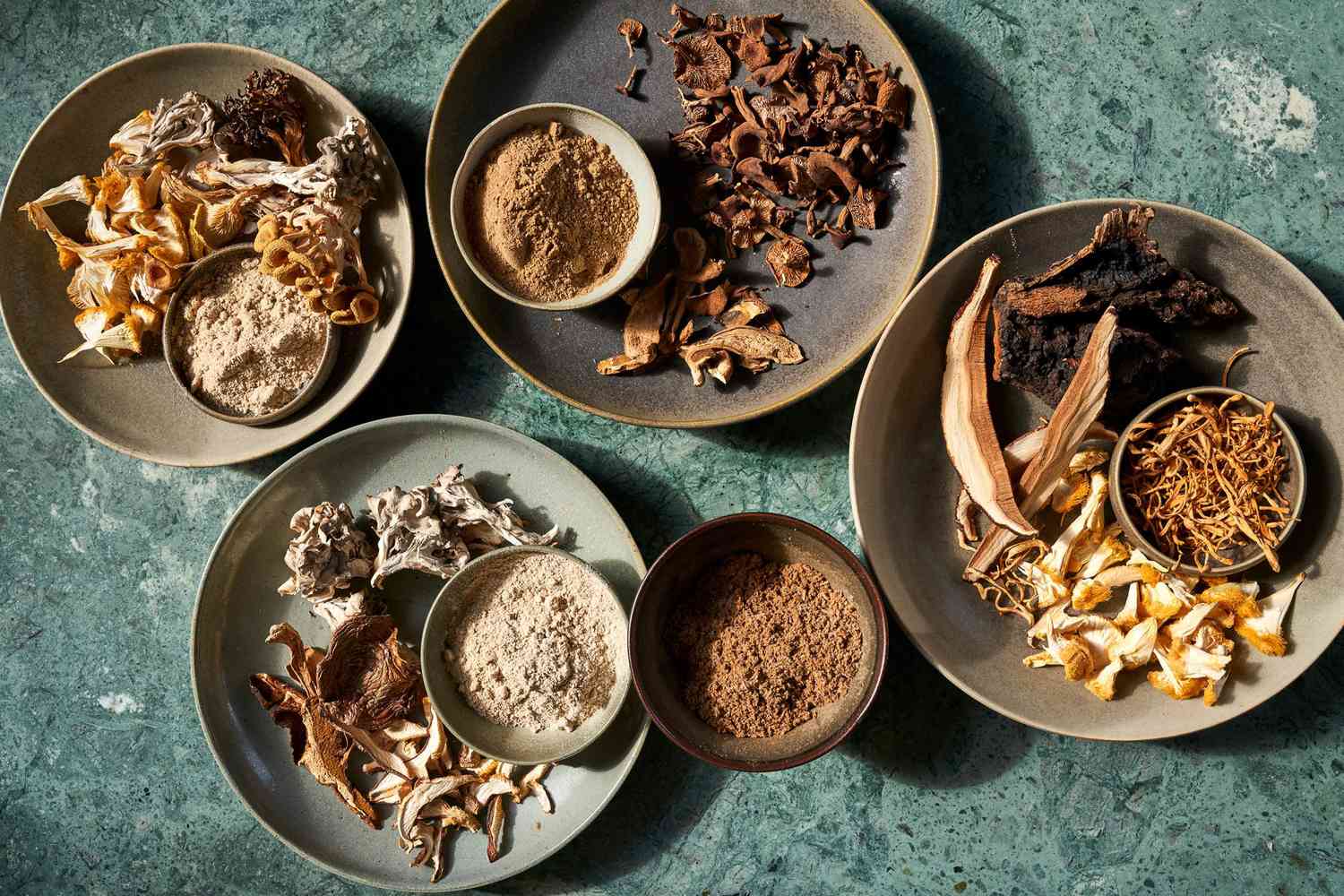
Drying and grinding mushrooms into powder is one of the simplest and most profitable value-addition methods for mushroom farmers in Kenya. Fresh mushrooms spoil within 3–5 days, but dried mushrooms and mushroom powder can last 6–12 months when properly packaged.
This Standard Operating Procedure (SOP) provides a practical guide for small-scale producers or cottage industries.
1. Objective
To produce high-quality dried mushrooms and mushroom powder that are safe, hygienic, and suitable for sale in retail markets.
2. Required Materials and Equipment
Raw materials
- Fresh oyster mushrooms (or other edible mushrooms)
Equipment
- Stainless steel knife
- Food-grade trays
- Solar dryer / electric dehydrator / oven
- Blender or hammer mill grinder
- Fine sieve
- Weighing scale
- Airtight containers
- Packaging materials (food-grade bags or jars)
Hygiene materials
- Clean gloves
- Hair net
- Food-grade disinfectant
- Clean water
3. Raw Material Selection
Objective
Use only fresh, high-quality mushrooms.
Procedure
- Select fresh mushrooms harvested within 24 hours.
- Avoid mushrooms that are:
- Slimy
- Rotten
- Discolored
- Remove damaged parts.
Fresh mushrooms produce better flavor and higher-quality powder.
4. Cleaning and Preparation
Procedure
- Trim off the tough base of the mushroom stem.
- Lightly rinse mushrooms with clean water if dirty.
- Drain on a clean cloth or tray.
- Slice large mushrooms into thin pieces (3–5 mm thick).
Thin slices help mushrooms dry faster and evenly.
5. Drying Process
Drying reduces moisture from 90% to below 10%, preventing spoilage.
Method 1: Solar Drying (Most common in Kenya)
Procedure
- Arrange mushroom slices on drying trays.
- Ensure slices do not overlap.
- Place trays in a solar dryer or under a clean mesh cover.
- Turn slices occasionally.
Drying time
- 1–2 days in sunny weather
Advantages:
- Very low cost
- Suitable for rural production
Method 2: Electric Dehydrator / Oven
Procedure
- Arrange mushrooms on drying trays.
- Set temperature to 50–60°C.
- Dry for 6–10 hours.
Advantages:
- Faster drying
- Better quality control
6. Dryness Check
Proper drying is critical.
Well-dried mushrooms should:
- Be brittle and crisp
- Break easily when bent
- Have no moisture inside
If mushrooms are still soft, continue drying.
Poor drying leads to mold growth during storage.
7. Grinding into Mushroom Powder
Procedure
- Place dried mushrooms into a blender or grinder.
- Grind until a fine powder forms.
- Sieve the powder to remove large particles.
- Re-grind remaining coarse pieces.
The goal is uniform fine powder.
8. Quality Control
Check the powder for:
- Smooth texture
- Natural mushroom aroma
- No moisture lumps
- No contamination
If powder feels damp, return it for additional drying.
9. Packaging
Proper packaging ensures long shelf life.
Packaging options
Small retail packs
- 50g
- 100g
- 200g
Packaging materials
- Food-grade plastic pouches
- Glass jars
- Vacuum packs
Label information
Include:
- Product name
- Net weight
- Production date
- Expiry date
- Contact details
10. Storage
Store finished product in:
- Cool dry room
- Airtight containers
- Away from sunlight
Shelf life:
- 6–12 months
11. Example Profit Breakdown
Example using 10 kg fresh mushrooms
Fresh mushrooms shrink significantly when dried.
| Stage | Quantity |
|---|---|
| Fresh mushrooms | 10 kg |
| Dried mushrooms | 1 kg |
| Mushroom powder | 1 kg |
Revenue estimate
If powder sells at KSh 400 per 100g1 kg powder = 10 packsRevenue:10 × 400 = KSh 4,000Value of fresh mushrooms used:10 kg × KSh 400 = KSh 4,000But powder allows:
- Longer shelf life
- Higher retail margin
- Smaller packaging units
Retail pricing often reaches KSh 500–700 per 100g, significantly increasing profits.
12. Hygiene & Food Safety Practices
Follow strict hygiene to produce safe food.
Key rules
- Wash hands before processing
- Use clean equipment
- Avoid direct sunlight contamination
- Use food-grade packaging
For large-scale sales, consider KEBS certification and food handling licenses.
13. Common Mistakes to Avoid
- Drying mushrooms too slowly
- Grinding mushrooms before fully dry
- Poor packaging causing moisture absorption
- Using low-quality mushrooms
- Storing powder in humid areas
Avoiding these mistakes ensures high-quality premium products.
14. Production Workflow Summary
- Harvest fresh mushrooms
- Sort and clean
- Slice mushrooms
- Dry using solar dryer or dehydrator
- Check dryness
- Grind into powder
- Sieve for smooth texture
- Package and label
- Store in dry conditions
Conclusion
Mushroom drying and powder production is one of the best value-addition opportunities for mushroom farmers in Kenya. With simple equipment and basic food safety practices, farmers can transform highly perishable mushrooms into long-lasting, high-margin products.
This process is ideal for home-based cottage industries and can easily grow into a small food processing business supplying supermarkets and restaurants.