Step-by-Step SOP for Oyster Mushroom Farming in Kenya
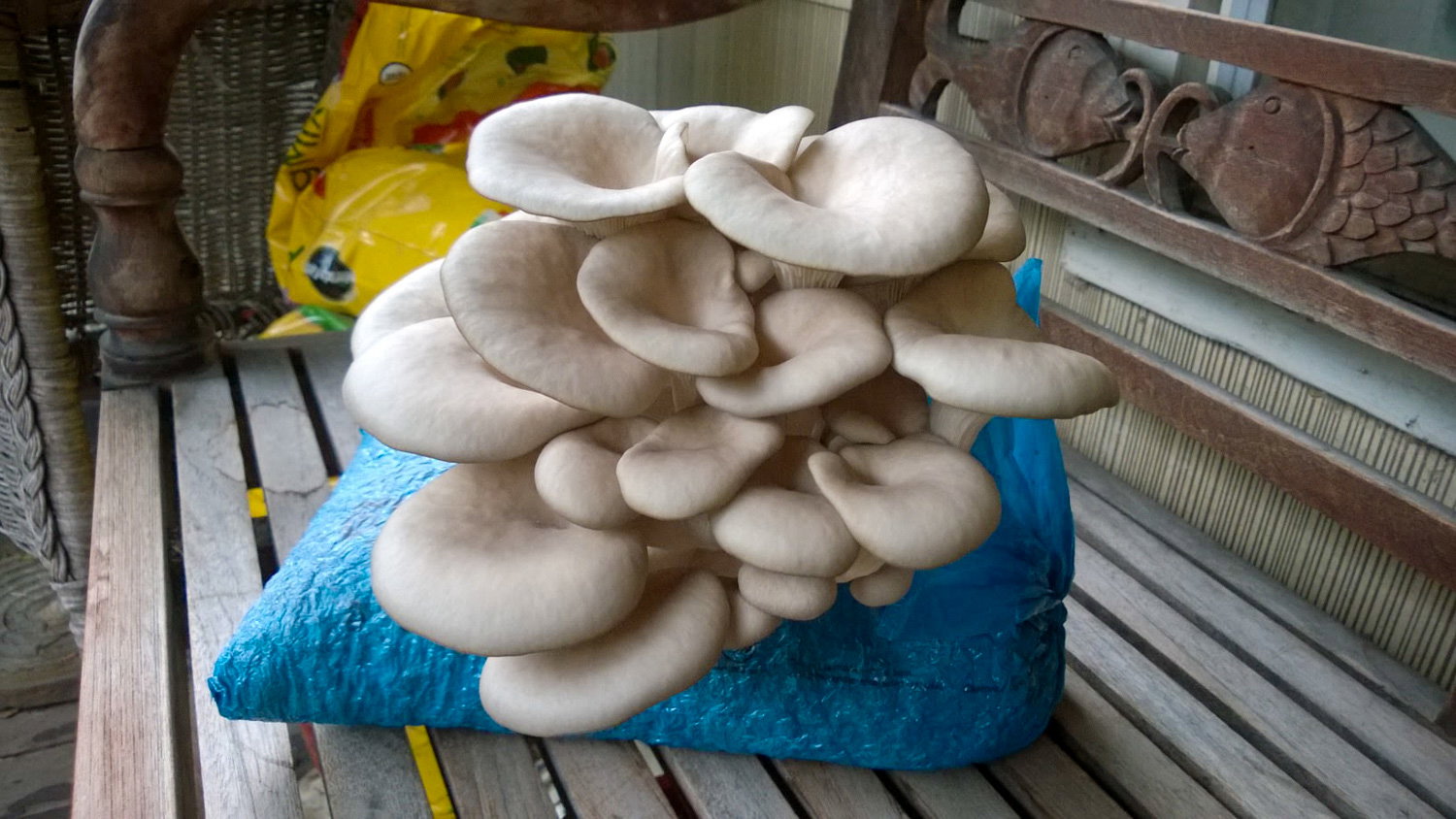
This Standard Operating Procedure (SOP) outlines the complete process of producing oyster mushrooms (Pleurotus species) on a small or medium scale in Kenya. Oyster mushrooms are ideal for beginners because they grow quickly, require little land, and thrive on agricultural waste such as straw and sawdust.
1. Site Selection and Mushroom House Preparation
Objective
Provide a clean, humid, and controlled environment for mushroom growth.
Requirements
- Temperature: 20–30°C
- Humidity: 85–95%
- Low light (indirect light)
- Good ventilation without strong wind
Procedure
- Construct a mushroom house or convert a room.
- Use materials such as:
- Timber frame
- Mud or brick walls
- Polythene lining
- Iron sheets or shade net roofing
- Install shelves or hanging ropes for mushroom bags.
- Ensure:
- Clean floor (cement or plastic sheet)
- Insect-proof ventilation openings.
- Disinfect the room with 1–2% bleach solution before starting production.
2. Materials and Equipment Required
Production materials
- Oyster mushroom spawn
- Substrate (growing medium)
- Polythene bags (50 × 30 cm)
- Rubber bands or strings
Substrate materials
Common options in Kenya include:
- Wheat straw
- Maize stalks
- Sawdust
- Sugarcane bagasse
- Banana leaves
Tools
- Water drum or tank
- Chopper or knife
- Sprayer or misting bottle
- Thermometer and hygrometer
- Protective gloves and disinfectant
3. Substrate Preparation
Objective
Create a clean and nutrient-rich growing medium.
Procedure
Step 1: Chop the substrate
- Cut straw or maize stalks into 2–5 cm pieces.
Step 2: Soak the substrate
- Soak in water for 12–24 hours to soften the material.
Step 3: Drain excess water
- Substrate should be moist but not dripping.
Step 4: Add supplements (optional)
- Wheat bran or manure: 10–20% of substrate weight.
Step 5: Pasteurization / Sterilization
- Boil or steam the substrate for 1–4 hours to kill harmful microbes.
Step 6: Cooling
- Spread substrate on a clean plastic sheet and allow to cool completely before spawning.
4. Bagging and Spawning
Objective
Introduce mushroom spawn into the substrate.
Procedure
- Place cooled substrate into polythene bags (2.5–5 kg per bag).
- Mix spawn at 2–10% of substrate weight evenly into the substrate.
- Compress the bag slightly and tie the top tightly.
- Punch small holes in the bag for air exchange.
5. Incubation Stage (Mycelium Growth)
Objective
Allow the mushroom mycelium to colonize the substrate.
Conditions
- Temperature: 25–28°C
- Dark room
- Humidity: 80–90%
Procedure
- Place bags on racks or hang them from ropes.
- Maintain clean conditions.
- Leave bags undisturbed for 2–4 weeks.
Expected result
White thread-like growth (mycelium) spreads throughout the bag.Once the bag turns fully white, it is ready for fruiting.
6. Fruiting Stage (Mushroom Formation)
Objective
Trigger mushroom growth.
Procedure
- Move bags to the fruiting room.
- Maintain conditions:
- Temperature: 20–25°C
- Humidity: 85–95%
- Cut small slits in the bags if not already done.
- Mist the room 2–3 times daily to maintain humidity.
- Ensure fresh air circulation.
Timeline
Mushroom pins appear within 5–7 days.
7. Harvesting
Objective
Collect mushrooms at peak quality.
Harvest time
- When caps reach 5–10 cm width
- Before edges curl upward
Harvest procedure
- Hold the cluster gently.
- Twist or cut at the base.
- Avoid damaging the bag or mycelium.
Each bag can produce 2–3 harvest flushes over several weeks.
8. Post-Harvest Handling
Cleaning
- Remove substrate debris.
Packaging
- Pack in perforated plastic containers or bags.
Storage
- Refrigerate at 4–10°C.
- Fresh mushrooms last 3–5 days.
Value addition options
- Dried mushrooms
- Mushroom powder
- Mushroom soup mix
9. Hygiene and Quality Control
Mushroom farming is extremely sensitive to contamination.
Best practices
- Always wash hands before handling spawn.
- Sterilize tools with alcohol or bleach.
- Remove contaminated bags immediately.
- Use footbaths with disinfectant at the entrance.
Poor hygiene often leads to green mold and bacterial contamination, which can destroy the crop.
10. Production Cycle Timeline
| Stage | Duration |
|---|---|
| Substrate preparation | 1 day |
| Bagging & spawning | 1 day |
| Incubation | 2–4 weeks |
| Fruiting | 1 week |
| Harvesting cycles | 4–8 weeks |
Total production cycle:
👉 5–8 weeks
11. Expected Yield
Typical yield for beginners:
- 1 bag → 0.5–1 kg mushrooms
- 100 bags → 50–100 kg mushrooms
At market prices of KSh 400–600 per kg, mushroom farming can generate good income even on small spaces.
12. Common Beginner Mistakes
- Poor substrate sterilization
- Low humidity levels
- Lack of ventilation
- Using poor quality spawn
- Overwatering mushrooms
Avoiding these mistakes significantly improves yield.