Step-by-Step SOP: Growing SL28 Coffee Rootstock for Grafting in Kenya
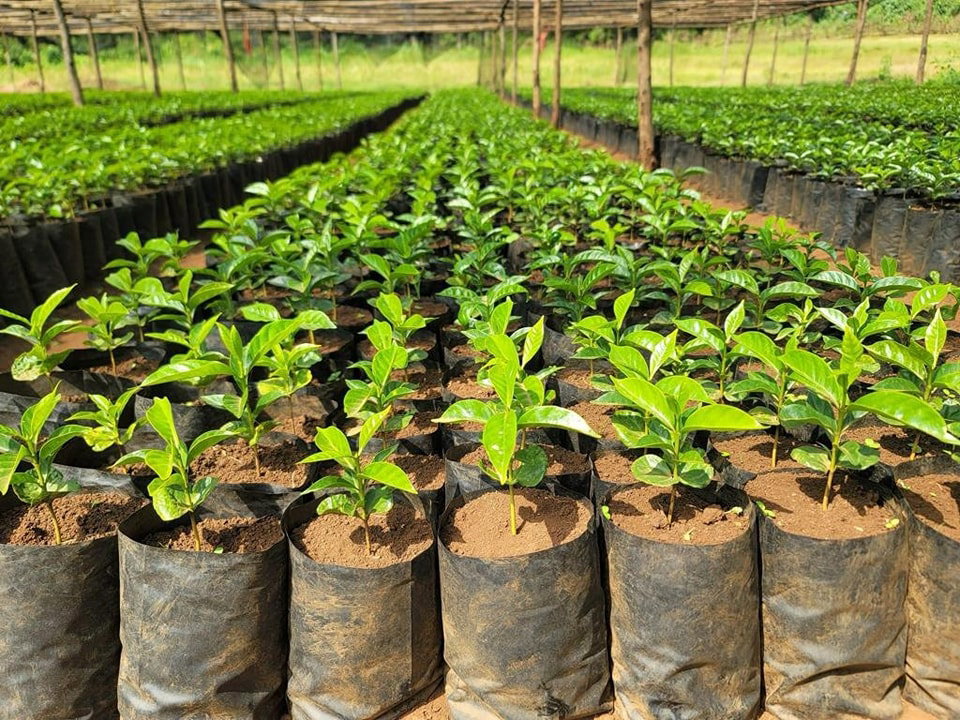
Growing SL28 coffee rootstock is an essential step for farmers and nursery operators who want to produce grafted coffee seedlings. SL28 is widely used as a rootstock in Kenya because it has deep roots, excellent drought tolerance, and strong plant vigor.
Many nurseries graft improved varieties such as Ruiru 11 or Batian onto SL28 rootstock to produce seedlings that combine:
- Strong roots
- High yields
- Disease resistance
- Better drought tolerance
This Standard Operating Procedure (SOP) explains how to grow SL28 rootstock seedlings from seed in a nursery.
Stage 1: Planning and Nursery Setup
Step 1: Choose a Suitable Nursery Location
Select a location with:
- Partial shade
- Reliable water supply
- Good drainage
- Protection from strong wind and animals
Avoid areas with waterlogging, as coffee seedlings are sensitive to excess moisture.
Step 2: Construct a Nursery Shade
Coffee seedlings require protection from strong sunlight.
Use materials such as:
- Shade net
- Banana leaves
- Grass thatch
- Shade cloth
Recommended shade level: 50–60% shade
The nursery should also have raised beds to prevent flooding.
Stage 2: Seed Selection and Preparation
Step 3: Obtain Certified SL28 Seeds
Purchase seeds from trusted sources such as:
- Coffee Research Institute nurseries
- Certified seed suppliers
- Established coffee farms
Good seeds should be:
- Fully mature
- Disease-free
- Fresh (recently harvested)
Avoid old seeds because coffee seeds lose viability quickly.
Step 4: Prepare the Seeds
Before planting:
- Remove the outer pulp if using fresh cherries.
- Wash seeds thoroughly.
- Soak seeds in clean water for 24 hours.
This improves germination.
Stage 3: Preparing the Seedbed
Step 5: Prepare a Germination Bed
Create a raised germination bed with:
- Fine sand or sandy soil
- Well-drained structure
- Width: about 1 meter
The bed should be slightly raised to improve drainage.
Step 6: Plant the Seeds
Plant seeds carefully:
- Place seeds flat side down
- Spacing: about 2–3 cm apart
- Cover lightly with sand or fine soil
Water gently after planting.
Stage 4: Seed Germination
Step 7: Maintain Moisture
Water the seedbed daily but lightly.
The soil should remain moist but not waterlogged.
Seeds usually germinate in:
- 45–60 days
During germination, the seedlings will emerge in the “matchstick stage.”
Stage 5: Transplanting to Polybags
Step 8: Prepare Nursery Polybags
Fill polybags with a mixture of:
- Topsoil (forest soil preferred)
- Well-decomposed manure
- Sand for drainage
Recommended ratio:3 parts soil : 1 part manure : 1 part sand
Typical polybag size:6 × 9 inches
Step 9: Transplant Germinated Seedlings
Transplant seedlings when they reach the matchstick stage.
Procedure:
- Water the germination bed before lifting seedlings.
- Carefully lift seedlings without damaging roots.
- Plant one seedling per polybag.
Ensure the root is straight and not bent.
Water immediately after transplanting.
Stage 6: Nursery Management
Step 10: Watering
Water seedlings:
- Once daily during dry periods
- Less frequently during rainy seasons
Avoid overwatering.
Step 11: Weed Control
Remove weeds regularly.
Weeds compete with seedlings for nutrients and water.
Step 12: Pest and Disease Control
Watch for common nursery pests such as:
- Aphids
- Leaf miners
- Cutworms
Control methods include:
- Organic sprays
- Approved pesticides if necessary
Good nursery hygiene is critical.
Stage 7: Preparing for Grafting
Step 13: Grow Seedlings to Grafting Stage
SL28 rootstocks are ready for grafting when they:
- Are 8–12 weeks old
- Have stem thickness similar to a matchstick or pencil
- Are healthy and vigorous
At this stage they are ideal for grafting varieties such as Ruiru 11.
Stage 8: Hardening and Maintenance
Step 14: Maintain Strong Seedlings
Continue proper care:
- Moderate watering
- Adequate shade
- Removal of weak plants
Healthy rootstock ensures high graft success rates.
Timeline Summary
| Stage | Time Required |
|---|---|
| Seed germination | 45–60 days |
| Matchstick stage | 6–8 weeks |
| Ready for grafting | 8–12 weeks |
Total time to grafting stage: about 2–3 months
Cost Estimate for a Small Nursery (1,000 Rootstocks)
| Item | Estimated Cost (Ksh) |
|---|---|
| SL28 seeds | 3,000 |
| Polybags | 3,000 |
| Manure and soil preparation | 2,000 |
| Shade structure | 5,000 |
| Water and labor | 2,000 |
Estimated startup cost:
Ksh 15,000 – 20,000
Profit Opportunity for Coffee Nurseries
Example:
1,000 grafted seedlings sold at Ksh 100 each
Revenue: Ksh 100,000
Estimated production cost: Ksh 30,000 – 40,000
Potential profit:Ksh 60,000+
This is why many small nurseries in Kenya specialize in coffee rootstock and grafted seedlings.
Tips for Success
✔ Always use fresh SL28 seeds
✔ Maintain proper nursery shade
✔ Avoid waterlogging
✔ Use fertile topsoil with manure
✔ Handle seedlings gently during transplanting
✔ Maintain good nursery hygiene
Final Thoughts
Growing SL28 rootstock seedlings is the foundation of a successful coffee grafting nursery. With proper nursery management, farmers and agribusiness entrepreneurs can produce thousands of healthy rootstocks that are later grafted with high-yielding varieties like Ruiru 11 or Batian.
For anyone interested in agricultural entrepreneurship, a coffee seedling nursery can become a profitable small-space business venture in Kenya.