Step-by-Step SOP: Raising Fruit Tree Rootstocks in a Nursery (Kenya Guide)
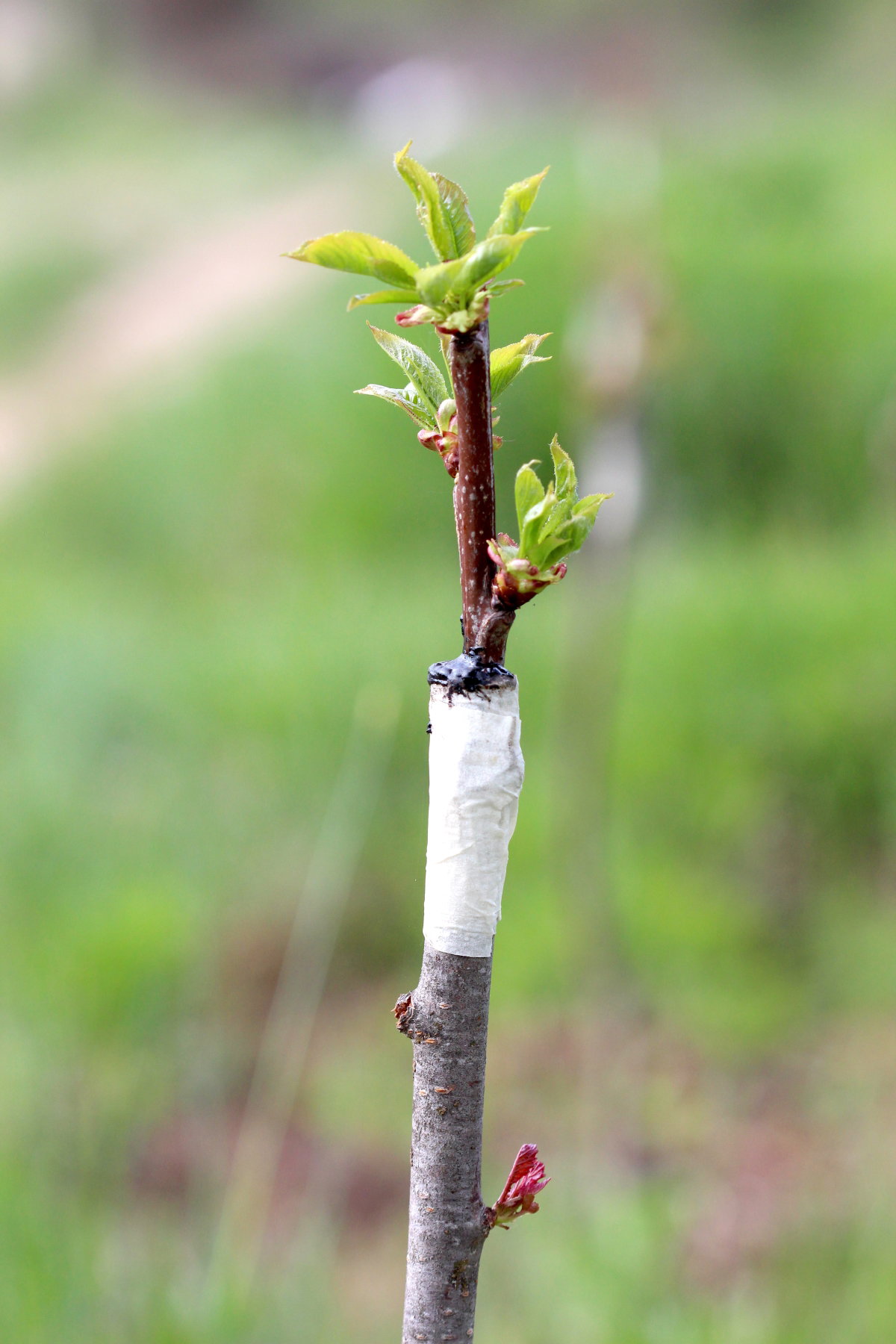
Rootstocks are the foundation of a successful fruit tree nursery. They form the lower part of a grafted tree and determine the plant’s strength, disease resistance, and adaptability to local soil conditions.
For nursery operators in Kenya, learning how to raise strong rootstocks is essential for producing high-quality grafted seedlings of avocado, mango, citrus, and other fruit trees.
This Standard Operating Procedure (SOP) explains how beginners can raise healthy fruit tree rootstocks step by step.
What Is a Rootstock?
A rootstock is the seedling that provides the root system and lower stem of a grafted fruit tree.
After growing the rootstock, a farmer grafts a scion (cutting from a desirable fruit variety) onto it.
Benefits of using rootstocks:
- Strong root system
- Better disease resistance
- Improved adaptability to soil conditions
- Uniform orchard performance
Fruit Trees That Require Rootstocks
Common fruit nursery crops in Kenya that use rootstocks include:
Avocado
Mango
Citrus (orange, lemon, tangerine, pixie)
Guava
Cashew
Most nursery operators raise rootstocks from seeds of vigorous local varieties.
Tools and Materials Required
Basic Tools
- Spade or shovel
- Wheelbarrow
- Watering can
- Secateurs
- Nursery trays or seedbeds
Nursery Materials
- Polybags (4×6 or 6×9 inches)
- Topsoil
- River sand
- Well-decomposed manure
- Fruit seeds for rootstocks
- Shade net or grass shade
Ideal Nursery Conditions
A good rootstock nursery should have:
Partial shade (50%)
Reliable water supply
Well-drained soil
Protection from animals
Most small nurseries operate in backyards or small plots of 50–100 square meters.
Step-by-Step SOP for Raising Rootstocks
Step 1: Select Suitable Seeds
Choose seeds from healthy, high-yielding trees.
Examples:
Avocado – seeds from strong local trees
Mango – seeds from vigorous varieties
Citrus – seeds from disease-free fruits
Avoid:
- Rotten fruits
- Diseased trees
- Very small seeds
Healthy seeds produce vigorous rootstocks.
Step 2: Extract and Prepare Seeds
- Remove seeds from ripe fruits.
- Wash seeds thoroughly to remove pulp.
- Air dry for a few hours.
Important notes:
- Do not store avocado seeds for long (they lose viability quickly).
- Plant seeds within a few days of extraction.
Step 3: Prepare the Nursery Soil
Good soil mixture improves root development.
Recommended mix:3 parts topsoil
1 part river sand
1 part well-decomposed manure
Benefits:
- Good drainage
- Rich nutrients
- Strong root growth
Fill the mixture into polybags or nursery beds.
Step 4: Establish a Seedbed (Optional)
Some nurseries first germinate seeds in seedbeds or trays.
Procedure:
- Prepare raised beds about 1 meter wide.
- Mix soil with manure and sand.
- Level the surface.
Spacing in seedbed:5–10 cm between seeds
This method saves space during germination.
Step 5: Plant the Seeds
Plant seeds at the correct depth.
General rule:
Depth = about twice the size of the seed
Examples:
Avocado – half buried in soil
Mango – flat side down
Citrus – about 1–2 cm deep
After planting: Water gently.
Step 6: Provide Shade
Young seedlings are sensitive to harsh sunlight.
Provide shade using:
- Shade nets
- Dry grass thatching
- Banana leaves
Shade should allow about 50% sunlight.
Step 7: Water Regularly
Watering schedule:
- Once daily during dry weather
- Reduce watering during rainy periods
Avoid:
- Overwatering
- Waterlogging
Good drainage is important.
Step 8: Transplant Seedlings to Polybags
If seeds were started in seedbeds:
Transplant when seedlings have:3–4 true leaves
Procedure:
- Carefully uproot seedlings with soil around roots.
- Transfer into polybags filled with nursery soil mix.
- Water immediately after transplanting.
This allows seedlings to develop strong root systems.
Step 9: Weed and Maintain Nursery Hygiene
Remove weeds regularly.
Weeds compete for:
- Nutrients
- Water
- Light
Maintain clean nursery conditions to reduce disease and pests.
Step 10: Fertilize if Necessary
If growth is slow, apply:
- Well-decomposed manure
- Compost
Avoid heavy chemical fertilizer at early stages.
Growth Period Before Grafting
Rootstocks are usually ready for grafting when they are:3–6 months old
Signs they are ready:
- Pencil-thick stem
- Healthy leaves
- Strong root system
At this stage they can be grafted with improved fruit varieties.
Rootstock Production Timeline
Typical timeline:
Seed planting → Germination → Seedling growth → Ready for grafting
Approximate durations:
Avocado: 2–3 months
Mango: 3–4 months
Citrus: 4–6 months
Common Rootstock Problems
Damping-off Disease
Causes seedlings to collapse.
Prevention:
- Avoid overwatering
- Use well-drained soil
Weak Seedlings
Caused by poor seeds.
Solution:
Use seeds from healthy mother trees.
Pest Attacks
Common pests:
- Aphids
- Leaf miners
Control using recommended nursery pesticides.
Tips for Producing Strong Rootstocks
Use Fresh Seeds
Old seeds often fail to germinate.
Maintain Good Soil Mix
Balanced soil promotes strong roots.
Avoid Overcrowding
Proper spacing improves seedling growth.
Maintain Consistent Watering
Seedlings should not dry out.
Label Different Fruit Types
Helps with organization during grafting.
Income Potential from Rootstock Production
Rootstocks can also be sold directly to other nurseries.
Typical prices:
Citrus rootstocks: Ksh 20 – 40
Mango rootstocks: Ksh 20 – 50
Avocado rootstocks: Ksh 30 – 60
However, grafting them increases value significantly, with grafted seedlings selling for Ksh 120 – 300.
Final Thoughts
Raising fruit tree rootstocks is a key step in running a profitable fruit tree nursery in Kenya. With a small space, basic tools, and quality seeds, beginners can produce hundreds or even thousands of rootstocks every season.
Once mastered, this skill allows nursery operators to produce grafted fruit seedlings that farmers highly demand, creating a reliable agribusiness with strong income potential.