Strawberry Farming in Kenya: The Ultimate Guide to High-Value Agribusiness Profits
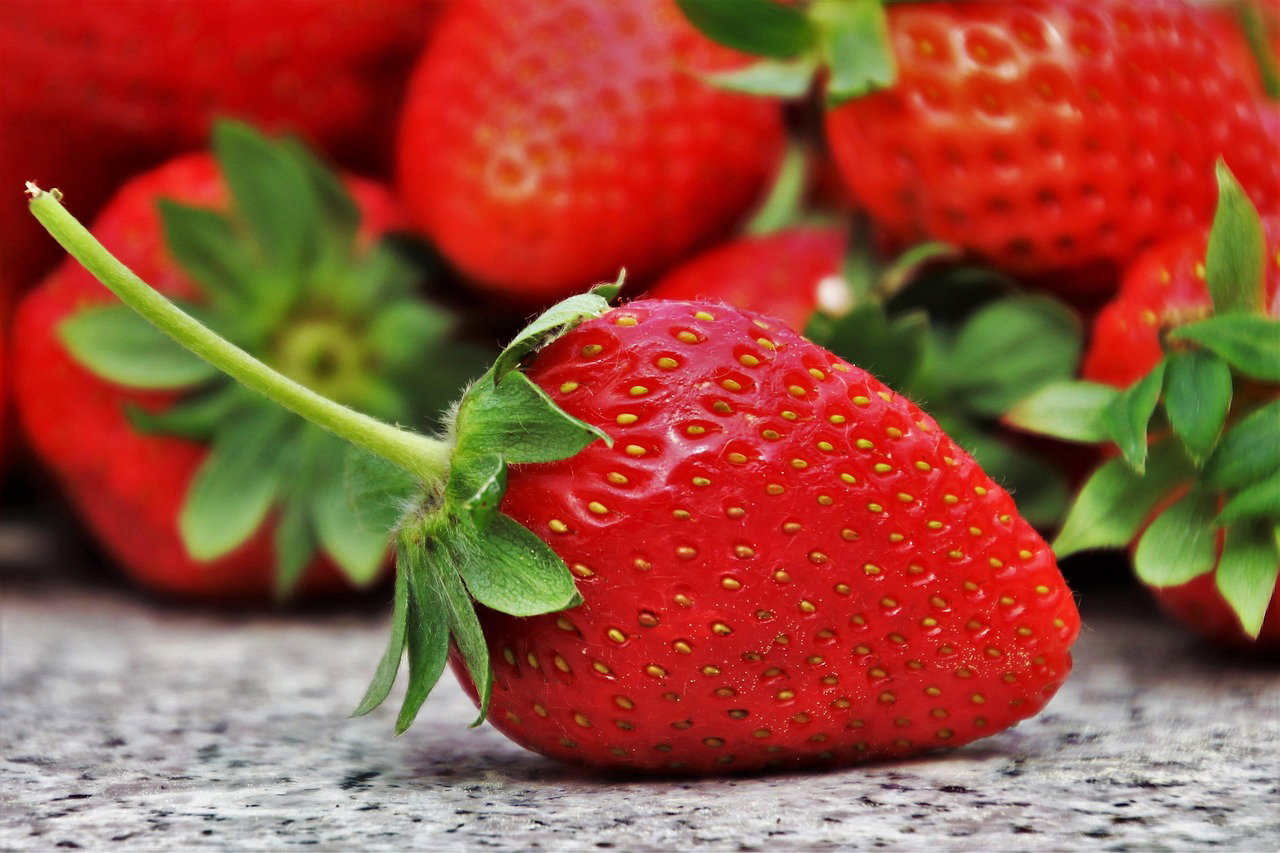
Agribusiness in Kenya is undergoing a massive shift. Savvy farmers are moving away from traditional, large-acreage crops like maize and looking toward high-yielding, space-efficient ventures. If you are looking for an agricultural project that offers quick returns and year-round cash flow on minimal land, strawberry farming is one of the most lucrative choices.
This comprehensive guide breaks down everything you need to know about starting a successful strawberry farming business in Kenya.
What is a Strawberry?
The strawberry (Fragaria ananassa) is a widely grown hybrid species of the genus Fragaria. It is cultivated globally for its characteristic bright red color, juicy texture, distinct aroma, and sweet-tart flavor.
Unlike typical fruits where seeds are enclosed inside, a strawberry's "seeds" (called achenes) sit visibly on the outside of the flesh.
In Kenya, strawberries are a high-demand premium fruit widely consumed fresh, used in baking and confectionery, or processed into commercial yogurts, jams, and juices.
Strawberry Varieties in Kenya
Choosing the right variety determines roughly 50% of your commercial success. While there are dozens of global varieties, Kenyan conditions and markets favor a select few:
- Chandler: The undisputed king of Kenyan strawberry farming. Chandler is a vigorous grower that produces large, firm, wedge-shaped berries with a brilliant glossy red color. It is highly favored by commercial farmers because its firmness helps it withstand long-distance transport to markets like Nairobi or Mombasa.
- Fern: A highly popular "day-neutral" variety. Day-neutral varieties are not sensitive to day length, meaning they can flower and fruit consistently year-round in the Kenyan tropical climate. It offers excellent yields and handles rain well.
- Other Varieties: Douglas, Aiko, and Pajaro are also grown but are generally less popular than Chandler and Fern due to specific climate or shelf-life limitations.
The Verdict for Kenyan Farmers
For beginners and commercial open-field systems, Chandler is the safest and most reliable bet for its pest resilience and transportability. If you are setting up greenhouse systems with precise fertigation (applying liquid fertilizer through drip lines), Fern offers remarkable year-round production consistency.
Where to Source Strawberry Seedlings in Kenya
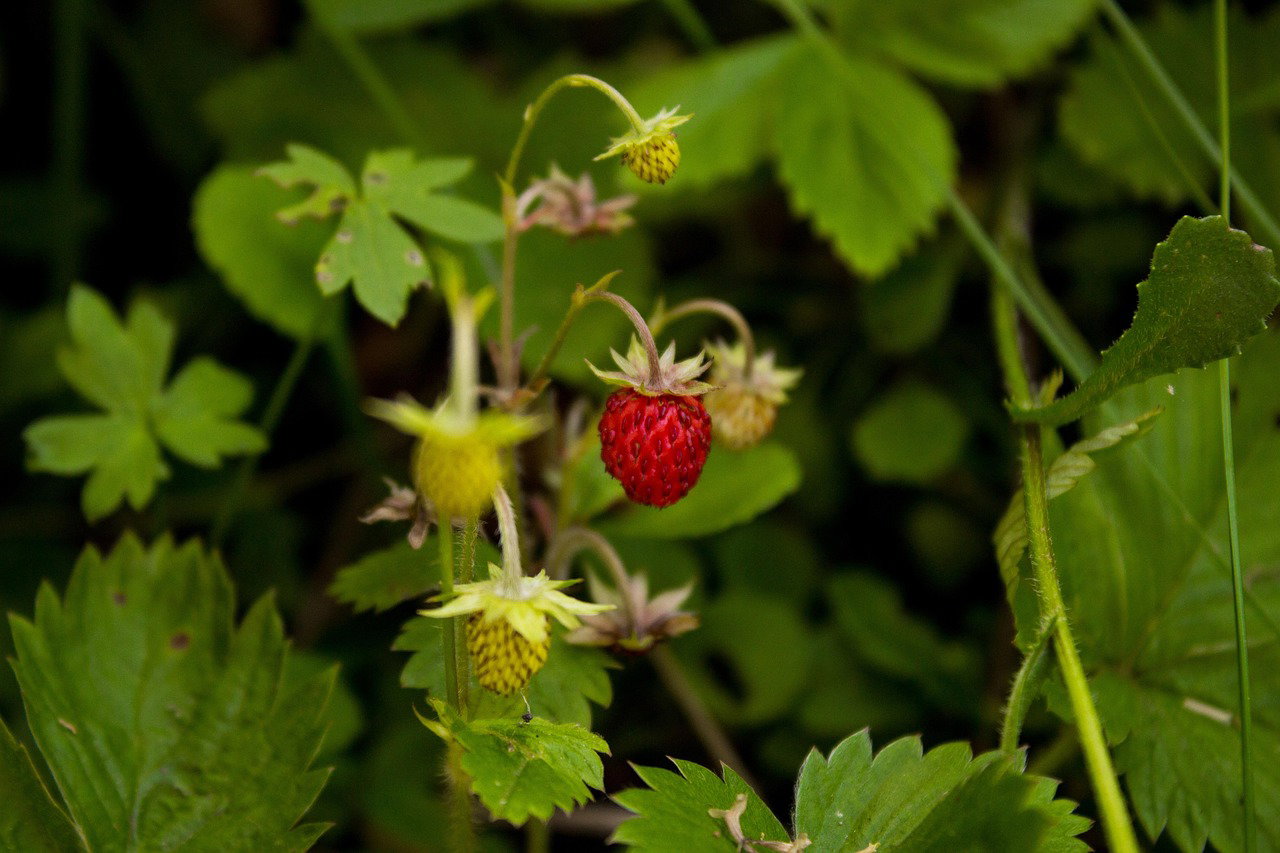
Never buy uncertified "splits" (divided parts of an old plant) from random roadside farms; they are highly prone to carrying soil-borne diseases and offer poor yields. Instead, buy certified runners (young shoots propagated from a clean mother plant) from KEPHIS-accredited or reputable nurseries.
Top sources include:
- Farmers Trend Ltd (Known for clean, certified Chandler and Fern seedlings)
- OxfarmAg Limited / Pasharn Fruit Nursery
- The Strawberry Farm Kenya (Specializes in organic strawberry training and certified seedlings)
- Prices typically range between KES 15 to KES 50 per seedling, depending on the variety and quantity ordered.
Care & Management: Best Practices for High Yields
To hit maximum production, strawberries require deliberate, intensive management. They thrive best in cool highland regions (1,500 to 2,200 meters above sea level) such as Kiambu, Nakuru, Nyeri, Meru, and Uasin Gishu, though they can grow anywhere with adequate water and temperature control.
1. Land Preparation and Spacing
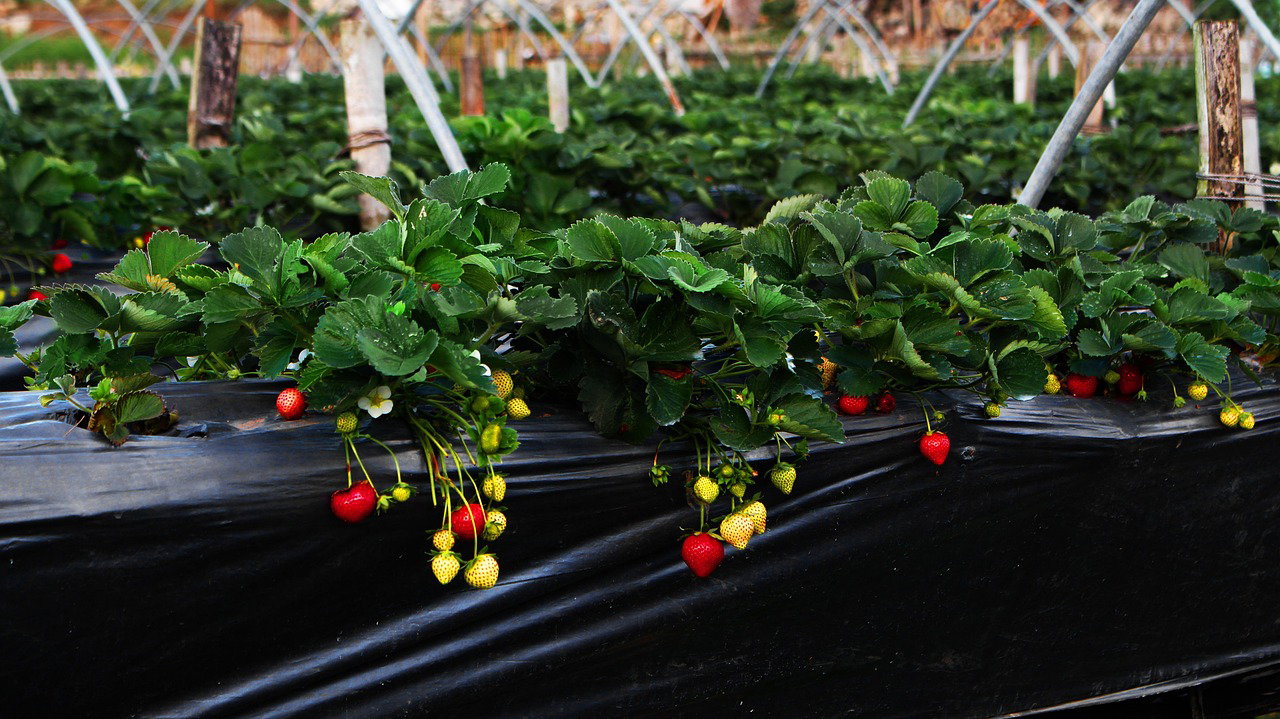
Strawberries must be planted on raised beds. Raised beds (1 meter wide, 15–30 cm high) improve soil drainage and root aeration.
- Spacing: Plant in a triangular pattern, keeping a distance of 30cm by 30cm between plants.
- The Crown Rule: When transplanting, ensure the center crown (where the leaves sprout) sits perfectly level with the soil surface. Burying it causes the plant to rot; leaving it too high dries out the roots.
2. Drip Irrigation and Fertigation
Strawberries have shallow root systems and require consistent moisture.
Overhead sprinklers damage the delicate flowers and fruits and encourage fungal attacks.
Use drip irrigation lines beneath your rows to deliver water directly to the roots.
3. De-budding and Runner Control
- First 4–6 Weeks: Pinch off any flowers that emerge immediately after transplanting. Forcing the young plant to skip early fruiting redirects energy to establishing a massive root system and a healthy leaf canopy, resulting in a much heavier harvest later.
- Runner Pruning: Strawberries naturally throw out long shoots (runners) to propagate. Unless you want to breed seedlings, clip these off instantly so the plant focuses 100% of its energy on berry size and sweetness.
4. Mulching (Plasticulture)
Covering your raised beds with black plastic mulch sheets (or clean straw) is non-negotiable. Mulch keeps the low-hanging berries from touching the damp soil, preventing rot and ensuring they remain clean and visually pristine for premium market pricing.
The Big Question: Can It Make Business Sense on a 50 by 100 Plot?
Yes, absolutely.In fact, a 50 by 100-foot plot (approximately $1/8\text{th}$ of an acre) is the ideal size for a beginner strawberry agribusiness because it allows for the precise, intensive care that the crop demands.
The Math: Production & Profit Estimation
- Plant Population: On a 50x100 plot, accounting for paths and raised beds, you can easily comfortably fit 2,500 to 3,000 plants.
- Yield Expectations: A well-managed Chandler or Fern plant produces an average of 500 grams (0.5 kg) of fruit per year.
- Total Annual Yield: $3,000 \text{ plants} \times 0.5 \text{ kg} = 1,500 \text{ kg}$ of strawberries per year.
- Market Price: Farm gate prices range from KES 400 to KES 600 per kilogram. In retail supermarkets (packaged in 250g punnets), the price translates to KES 800–1,200 per kilo.
- Conservative Gross Revenue: $1,500 \text{ kg} \times \text{KES } 400 = \textbf{KES } 600,000$ per year.
Because strawberries bear fruit continuously for up to three years (with peak production in years 1 and 2), you can clear your initial setup costs (seedlings, drip kits, mulch) within the first 6–8 months and enjoy clean profit margins moving forward.
Where to Market Your Strawberries
Because strawberries are highly perishable (they stay fresh for only 4–5 days after picking), you must secure your market before your first harvest.
- Grocers and Open Markets: Walk into local greengrocers, open-air organic markets, and neighborhood vegetable shops in urban centers like Nairobi, Kisumu, or Mombasa.
- Supermarkets: Major retail chains (Carrefour, Naivas, Quickmart) keep steady stocks of fresh berry punnets. Secure a supply contract by proving you can offer a consistent weekly volume.
- Bakeries and Hotels: High-end hotels, restaurants, and local cake bakeries use strawberries daily for decoration, fillings, and breakfast buffets.
- Major Processors: Companies like Brookside, Del Monte, KCC, and Trufoods consume massive amounts of strawberries for yogurt and jam production, though they typically deal in larger contract volumes.
Value-Addition Options
When your farm enters peak production, or if you end up with "grade B" berries (deformed or slightly overripe but perfectly sweet), value addition prevents waste and multiplies your profit margins:
- Strawberry Jams and Preserves: A brilliant way to extend shelf life up to a year. Homemade, organic strawberry jam commands premium prices in urban gourmet shops.
- Strawberry Puree and Juice Concentrates: Supply local smoothie bars, healthy juice businesses, and ice cream parlors.
- Dried Strawberries: Using a commercial food dehydrator allows you to pack dried strawberry chips, which are highly popular as healthy snacks or cereal add-ins.
Insider Tips & Insights for Kenyan Farmers
The "Golden Hour" Rule: Always harvest your strawberries in the cool morning hours (between 6:00 AM and 9:00 AM) after the dew has evaporated but before the hot sun heats the berries. Hot-picked berries turn mushy and spoil within 48 hours.
- Never Wash Before Storage: Tell your pickers and customers never to wash strawberries until the exact moment they are ready to eat them. Moisture triggers immediate mold growth.
- Leave the Stem On: When harvesting, pinch the stem about 1 cm above the fruit. Removing the green cap (calyx) exposes the inner flesh to bacteria and drastically cuts its shelf life.
- Watch the Birds: Birds love red berries as much as humans do. Budget for bird netting to shield your plot once the fruiting season kicks into high gear.
Ready to get started?
Strawberry farming is a hands-on, high-reward venture. By starting small on a 50x100 plot, prioritizing drip irrigation, and picking the right variety like Chandler, you can build a highly profitable agribusiness right in your backyard.