The Commercial Rabbit Farming Playbook: Feeding, Breeding, and Finding Buyers in Kenya
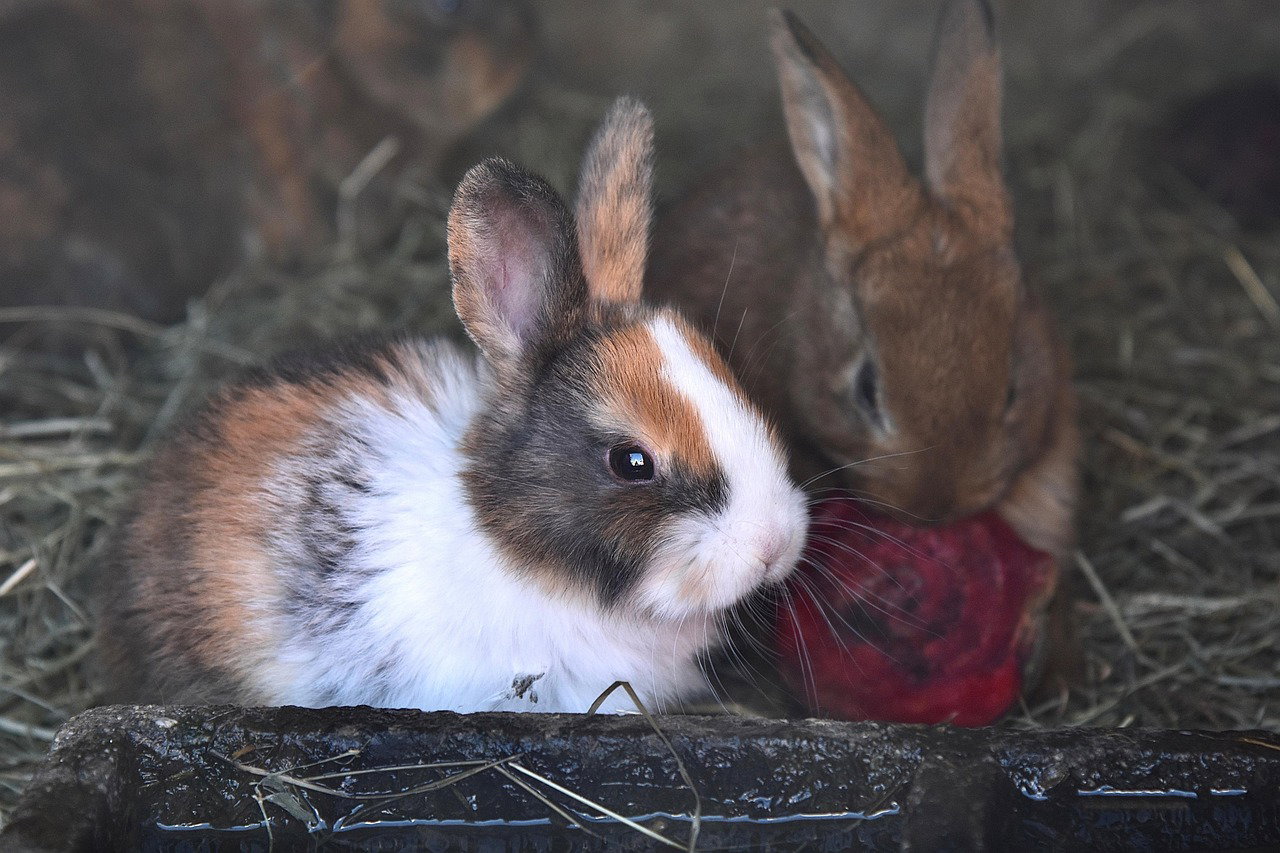
Setting up high-quality structures and purchasing top-tier breeds is only half the battle. To turn rabbit farming into a predictable, high-earning agribusiness, you must manage your farm like a biological factory. This requires strict adherence to scientifically sound feeding ratios, disciplined breeding cycles, and aggressive market networking.
1. Nutritional Science: The 70-20-10 Feeding Rule
Feed represents your single highest recurring production cost. While rabbits can survive entirely on green weeds, a commercial enterprise requires balanced, high-protein nutrition to ensure kits hit market weight inside 4 months.
To maintain optimal digestive health and fast growth, implement the 70-20-10 feeding strategy:
- 70% High-Fiber Hay / Forage: This keeps their complex digestive systems moving and prevents fatal bloating. Excellent local options include Lucerne (Alfalfa), Boma Rhodes hay, Desmodium, and properly wilted Napier grass.
- 20% Commercial Rabbit Pellets: Concentrated nutrients that supply the necessary protein for muscle development. High-quality grower and breeder pellets are readily available at local agrovets.
- 10% Supplements & Treats: Clean kitchen scraps like carrot tops, cabbage leaves (in moderation), and banana peels.
Daily Feed Requirements by Age
| Age / Stage | Primary Feed Type | Target Quantity Per Day | Expected Target Weight |
| 0–4 Weeks | Doe's milk only | Unrestricted (Ad libitum) | 500 g – 800 g |
| 4–8 Weeks (Weaning) | Starter pellets + soft hay | 50 g – 100 g | 1.5 kg – 1.8 kg |
| 8–16 Weeks (Finisher) | Grower pellets + heavy hay | 100 g – 150 g | 2.5 kg – 3.0 kg |
Pro Tip on Green Forage: Never feed freshly cut, wet greens directly to your rabbits. It causes coccidiosis (a highly contagious parasitic intestinal infection) and severe bloating. Always cut your forage and let it wilt in the shade for 24 to 48 hours to shed moisture before feeding.
2. Managing the 35-Day Breeding Cycle
Rabbits do not have a specific heat cycle; they are induced ovulators, meaning the act of mating triggers egg release. This makes breeding highly manageable.
Step-by-Step Mating Protocol
- Always take the Doe to the Buck's cage. Does are highly territorial. If you place a buck into a doe's cage, she will attack him, causing serious injuries.
- Monitor the process. Mating happens within minutes. When successful, the buck will make a distinct falling-over motion and emit a soft grunt.
- Record the date. The gestation period for a rabbit is strictly 30 to 32 days.
The Commercial Timeline
To maximize profits without exhausting your breeding stock, aim for 4 to 5 litters per doe annually.
- Introduce the nest box on day 25 of pregnancy.
- Allow the doe to nurse her kits for 4 weeks before weaning them into separate grower cages.
- Give the doe a 1-week rest period post-weaning before introducing her to the buck again, keeping her on a clean, highly productive schedule.
3. Maximizing Profits: Monetizing By-Products
While meat is the primary revenue driver, commercial farmers significantly multiply their profit margins by harvesting and selling valuable farm by-products:
- Rabbit Urine (Liquid Fertilizer & Biopesticide): Highly prized by organic berry and vegetable farmers, rabbit urine is rich in nitrogen, phosphorus, and potassium. Unprocessed urine retails locally for KSh 100 to KSh 300 per liter. When diluted 1:10 with water, it acts as a potent foliar feed and natural repellant against common pests like aphids and whiteflies.
- Rabbit Manure (Premium Soil Optimizer): Unlike cow or pig manure, rabbit manure is a "cold" fertilizer. It doesn't burn plants and can be mixed directly into garden soils without composting. It easily sells for KSh 500 to KSh 1,000 per 50 kg bag to urban horticulturalists.
4. Market Access: Connecting with Buyers in Kenya
The Kenyan rabbit market remains highly supply-constrained; hotels and specialty butcheries regularly struggle to source a consistent, uniform volume of rabbit meat.
You can exploit several profitable sales channels:
Contract Farming and Aggregators
Organizations like The Rabbit Republic Limited (based along Mombasa Road/Athi River) and the Rabbit Breeders Association of Kenya (RABAK) offer specialized training and structured contract buying.
- If you buy their verified hybrid genetics and follow their strict feeding rules, they will buy back your mature live rabbits.
- Contract buy-back prices typically range between KSh 350 and KSh 500 per live kilogram, provided you supply a minimum volume (often batches of 30 to 50 rabbits per collection).
Central Slaughterhouses
RABAK runs an organized rabbit slaughterhouse program in collaboration with the Ministry of Livestock in Thika. They slaughter every week, offering direct cash-on-delivery payouts once the carcasses pass public health inspections before being packed for high-end supermarkets.
Direct Marketing to Urban Centers
Health-conscious urban consumers in Nairobi, Kisumu, and Mombasa represent the highest-paying niche. By marketing directly through digital agribusiness platforms (such as Safaricom's Digifarm) and social media storefronts, you can retail dressed, packaged rabbit meat for KSh 700 to KSh 900 per kilogram.