The Ultimate Guide to Profitable Cayenne Pepper Farming in Kenya
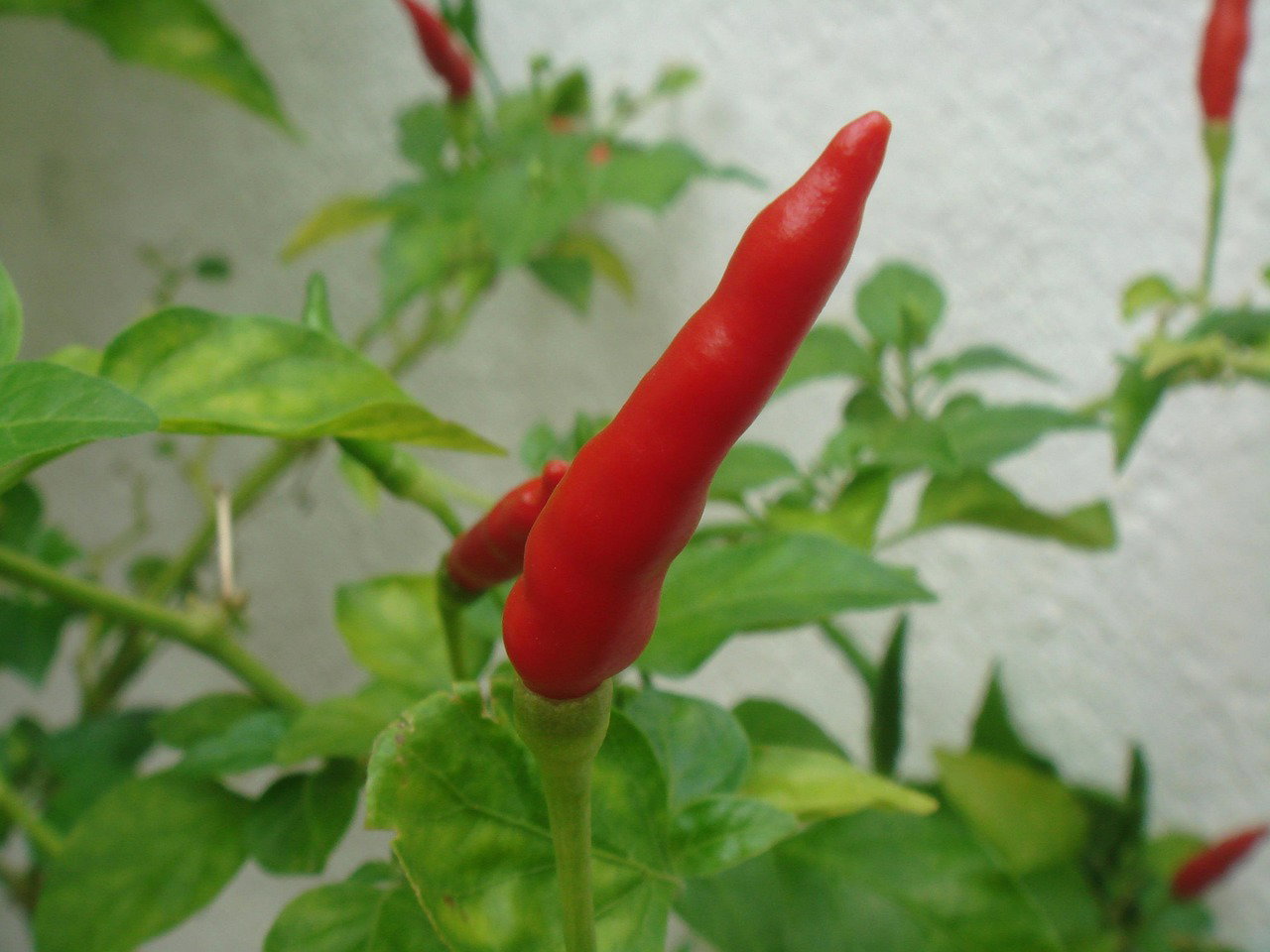
Agribusiness in Kenya is shifting toward high-value, fast-maturing crops, and Cayenne Pepper (Pilipili) is leading the charge. With a maturity period of less than 3 months and a growing demand in both local markets and for export, cayenne pepper farming presents an incredible opportunity for small-scale and commercial farmers alike.
An irrigated, well-managed acre can yield between 4 to 8 tonnes of fresh chilli per season, clearing a neat net profit of KSh 150,000 to KSh 350,000. Because hot pepper is a continuous harvester, you can repeat this wealth cycle multiple times a year.
This comprehensive guide breaks down everything you need to know to establish a successful cayenne pepper enterprise in Kenya.
1. What is Cayenne Pepper?
Cayenne pepper (Capsicum annuum) is a thin, elongated hot pepper variety characterized by its fiery flavor and impressive health benefits. On the Scoville Heat Scale (which measures pungency), cayenne ranks between 30,000 and 50,000 Scoville Heat Units (SHU), offering a moderate to high kick.
In Kenya, the crop grows as a medium-tall shrub. The fruits typically start as emerald green and transition into a vibrant, deep crimson red when fully ripe. They have thin fruit walls and a long, cylindrical shape measuring roughly 10–12 cm.
2. Ecological Requirements in Kenya
Cayenne pepper is highly adaptable, growing well from coastal lowlands to the mid-highland regions.
Temperature: Thrives in warm climates between 20°C and 30°C. Low temperatures slow down growth and delay fruit ripening.
Soils: Prefers deep, well-drained fertile loams or sandy loam soils.
Soil pH: The ideal range is 6.0 to 7.5.
Water: While it can grow under rain-fed conditions, drip irrigation is highly recommended to secure premium yields and consistent fruit sizes year-round.
Pro Tip: Always invest in a basic soil test (costing around KSh 2,500) before planting. If your soil is highly acidic (common in tea/coffee zones like Murang'a or Kiambu), you will need to apply agricultural lime during land preparation to raise the pH.
3. Sourcing Certified Seeds and Seedlings
Success in this agribusiness starts with genetics. Do not use seeds saved from open markets; they carry diseases and yield poorly.
Certified Seed Varieties
Look for prominent varieties like Long Cayenne OPV or Long Cayenne F1 Hybrid. Trusted seed merchants include:
Simlaw Seeds: (A subsidiary of Kenya Seed Company) Stocks reliable, high-yield cayenne varieties.
Royal Seed (Kenya Highland Seed): Known for excellent disease-resistant varieties like Long Cayenne F1 and Faidah F1.
East African Seeds: Offers Pepper Cayenne Long Slim packs.
Certified Seedling Propagators
If you want to skip the nursery management phase and save 4–6 weeks of waiting time, you can buy ready-to-transplant seedlings (usually retailing at KSh 5 to KSh 15 per seedling) from certified commercial nurseries such as:
Royal Seedlings (Murang'a/Nairobi)
Amiran Kenya Nurseries
Regional certified nurseries registered by the Horticultural Crops Directorate (HCD) or KEPHIS.
4. Seed Propagation and Nursery Management
If raising your own seeds, follow this strict chronological routine to avoid damping-off (fungal seedling death).
1.Prepare the Nursery Bed or Trays:
Day 1.Use plastic seedling trays filled with coco peat or a well-sterilized raised soil bed mixed with well-rotted manure. Solarize the bed by covering it with a clear polythene sheet for 3-5 days to kill soil-borne pests.
2.Sowing the Seeds:
Day 5.Sow seeds at a shallow depth of 1-2 cm. Cover lightly with soil or coco peat, then layer a thin mulch of dry grass over the bed to retain moisture. Water gently using a fine-nozzle watering can.
3.Manage Sprouting and Shade:
Week 1 - 2.Seeds will sprout within 7 to 10 days. Immediately remove the grass mulch and build a 50% shade net structure over the seedlings to protect them from direct, scorching afternoon sun.
4.Hardening Off:
Week 5.One week before transplanting, reduce watering frequency and gradually remove the shade net.
This "hardens" the seedlings, preparing them to withstand harsh open-field conditions.
5. Land Preparation and Transplanting
While your seedlings are growing, prepare the main field. Plough deeply and harrow the soil to a fine tilth. Incorporate plenty of well-rotted cow or chicken manure (roughly 5 to 10 tonnes per acre).
Recommended Spacing
Row-to-Row: 60 cm
Plant-to-Plant: 45 cm
This spacing accommodates an optimal population of roughly 15,000 plants per acre.
The Transplanting Process: Transplant late in the afternoon or on a cloudy day to prevent transplant shock. Water the field thoroughly immediately after planting.
6. Crop Care & Management: From Transplanting to Maturity
Weed Control
Keep the farm entirely weed-free. Weeds compete for nutrients and harbor pests like whiteflies and thrips. Utilizing silver-on-black plastic mulch is highly recommended as it suppresses weeds, retains soil moisture, and repels pests visually.
Fertilizer Schedule
At Planting (Basal): Apply DAP or rich organic compost into the planting holes to encourage aggressive root establishment.
Top Dressing (3-4 weeks post-transplant): Apply CAN or an NPK fertilizer high in Nitrogen to boost canopy and vegetative growth.
Flowering & Fruiting Stage: Shift to fertilizers rich in Potassium and Calcium (such as Calcium Nitrate). Potassium enhances fruit size and heat levels, while Calcium prevents Blossom End Rot (a physiological condition where the bottom of the pepper rots).
Major Pests & Diseases in Kenya
- Pests: Thrips, Mites, Aphids, and African Bollworms. Use systemic insecticides like Occasion or Profile to control them.
- Diseases: Powdery Mildew and Bacterial Wilt. Control fungal issues with copper-based fungicides. For Bacterial Wilt, prevent it entirely through strict crop rotation (avoid rotating with potatoes, tomatoes, or traditional nightshades).
7. Harvesting and Storage
Cayenne pepper harvesting kicks off 75 to 90 days after transplanting.
The Picking Process: Harvest twice a week. Snip the pepper gently from the branch, leaving a short piece of the green stem (pedicel) attached. This vastly extends its shelf life.
Yield Potential: Expect 1.5 to 2 tonnes in the first few harvests, building up to a cumulative 5 to 10 tonnes per acre over a 4-to-6-month harvesting window.
Fresh Storage: Green or red fresh peppers should be sorted into well-ventilated plastic crates. Store them in a cool, shaded environment (around 8°C to 12°C) to prevent wrinkling. Fresh peppers can keep for 1 to 2 weeks under these conditions.
8. Value Addition: Boosting Your Profit Margins
Selling fresh cayenne peppers leaves you vulnerable to rapid price fluctuations and short shelf lives. Value addition completely alters your financial prospects.
Fresh Cayenne: KSh 40 - 100 per kg ──►Dried Cayenne: KSh 200 -400 per kg ──►Chilli Powder: KSh 500 - 1,000+ per kg
The Value-Addition Processing Methods
1. Solar Drying: Wash and slice the ripe red peppers, then lay them out in a hygienic solar dryer until moisture content drops below 10%. It takes roughly 3–4 kg of fresh cayenne to produce 1 kg of dried chili, but dried chili stores safely for over a year.
2. Milling (Chilli Powder): Grind the thoroughly dried cayenne pods into a fine powder. Pack this into branded, airtight shaker bottles or pouches for local supermarkets or spice markets.
3. Chilli Sauces & Oils: Blend fresh red cayenne with vinegar, garlic, salt, and preservatives to cook premium hot sauces, targeting the rising urban hospitality market.
9. Marketing Options in Kenya
Cayenne pepper has diverse market avenues across the country:
- Local Open Markets: Wholesale buyers from Wakulima Market (Nairobi), Kongowea (Mombasa), or Kibuye (Kisumu) buy directly from the farm gate at prices ranging between KSh 40 and KSh 100 per kg for fresh red chilies.
- Contract Farming & Export Companies: Companies like Lagran Group, Equator Buds, or Keitt Exporters buy export-grade fresh cayenne for European and Middle Eastern markets. Export prices are highly lucrative, sometimes hitting KSh 150 to KSh 350 per kg, though compliance with strict chemical residue rules is mandatory.
- Local Processors: Spice companies like Deepa Industries (Tropical Brands) or Peptang buy bulk dried chili for local processing.
Final Insights for Success
Cayenne pepper farming isn't a passive investment; it is an active, intensive agribusiness. To ensure maximum returns:
- Always secure a reliable, year-round water source. Relying purely on rain will drop your yield by over 50%.
- Identify your buyer before sowing your first seed. If aiming for the export market, strictly manage your spray schedules to pass chemical residue screening tests.