The Untapped Eco-Beauty Business Opportunity Emerging in East Africa
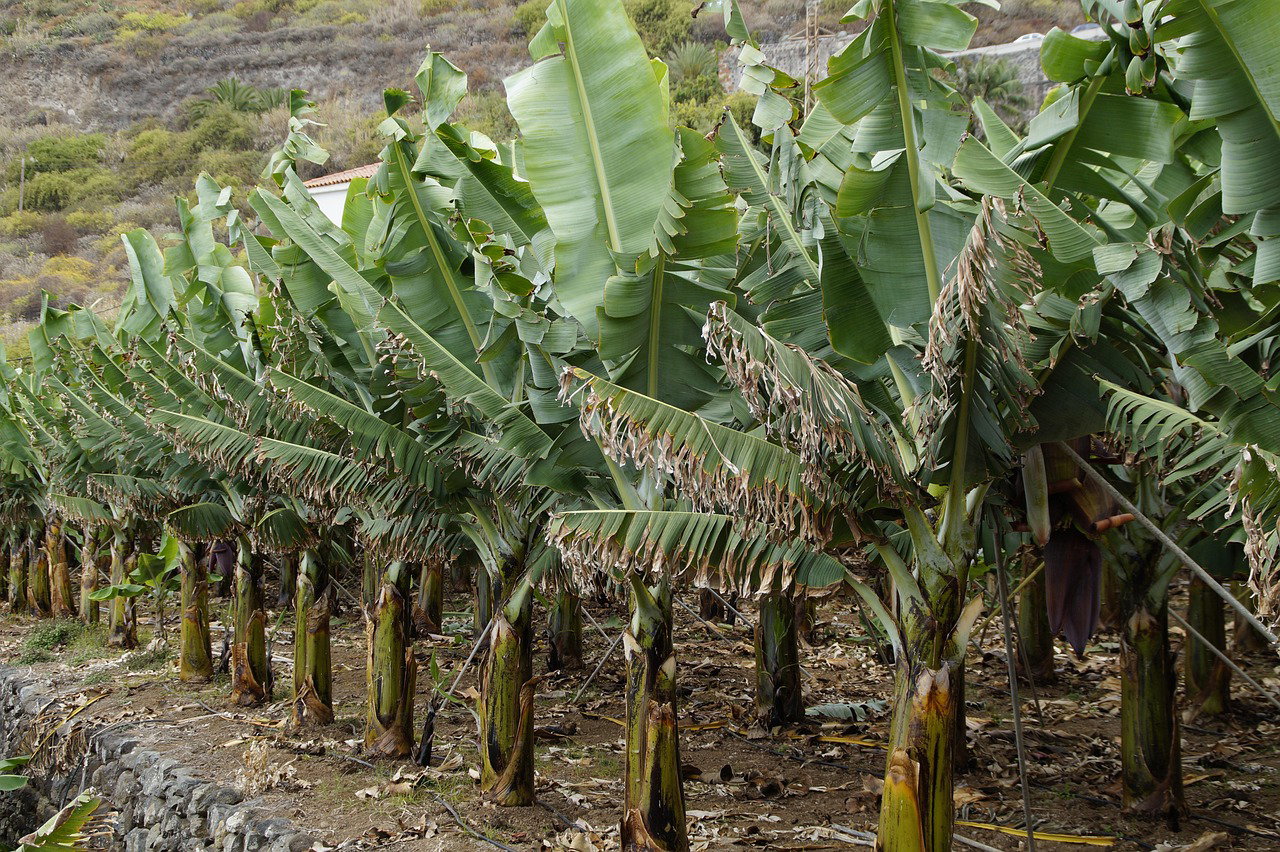
For decades, banana farming in Kenya has mainly been associated with food production and local trade. After harvesting the bananas, farmers often discard the remaining stem as agricultural waste.
In many parts of the country, these stems are left to rot in farms, compost naturally, or are fed to livestock. Few people realize that inside those seemingly useless stems lies a valuable natural fibre with the potential to power an entirely new cottage industry in Kenya.
Yes, this is a genuinely promising niche SME idea for Kenya, especially because it sits at the intersection of:
- beauty and hair products,
- sustainability,
- banana farming,
- women/youth cottage industries,
- export-oriented eco-products,
- and circular economy manufacturing.
The idea may sound unusual at first, but it is already being commercialized in East Africa, especially in Uganda, and early Kenyan innovators are beginning to explore it.
Why This Business Has Potential in Kenya
Kenya already has three critical ingredients:
1. Abundant Raw Material
Banana stems are everywhere in counties such as:
- Murang’a
- Meru
- Kisii
- Nyamira
- Embu
- Kirinyaga
- Taita Taveta
- Kakamega
After harvesting bananas, the pseudo-stem is normally discarded or left to rot. That “waste” is actually the raw material for fibre extraction.
2. Huge Hair & Beauty Market
The African hair extension market is massive. Kenya imports large volumes of synthetic braids and extensions from Asia every year.
A locally-made eco-friendly alternative could attract:
- salons,
- natural-hair enthusiasts,
- eco-conscious consumers,
- export buyers,
- and customers with scalp irritation from synthetic braids.
Community discussions online already show growing interest in plant-based braiding hair due to comfort and sustainability concerns.
3. Rising Interest in Sustainable Products
Globally, buyers are increasingly looking for:
- biodegradable fibres,
- natural textiles,
- low-plastic beauty products,
- eco-fashion.
That trend creates room for a Kenyan-made brand.
Can It Be a Cottage Industry or Home-Based Venture?
Absolutely.
In fact, the early stages are best suited for:
- women groups,
- youth groups,
- home workshops,
- village cottage industries,
- SHGs/cooperatives,
- artisan-style manufacturing.
The fibre extraction and initial processing can be decentralized at village level.
A small workshop can handle:
- washing,
- drying,
- combing,
- dyeing,
- spinning,
- and packaging.
This is very similar to:
- sisal craft production,
- basket weaving,
- handmade textile production,
- wig-making cottage businesses.
The Realistic Lowest Starting Budget in Kenya
The answer depends on the scale.
OPTION 1: Ultra-Low-Cost Experimental Setup
Estimated Budget:
KSh 20,000 – 80,000This is mainly for:
- manual fibre extraction,
- experimentation,
- prototyping,
- training,
- making sample braids/extensions.
What You Need
- knives/scrapers
- drying racks
- buckets
- water source
- combing brushes
- natural dyes or textile dyes
- scissors
- simple spinning/twisting tools
- protective gloves
- packaging materials
At this level:
- production is manual,
- output is low,
- quality consistency is difficult,
- but it is enough for proof-of-concept.
OPTION 2: Small Serious Cottage Industry
Estimated Budget:
KSh 150,000 – 600,000This allows:
- semi-mechanized extraction,
- better fibre treatment,
- dyeing,
- small-scale commercial production,
- salon testing,
- branding.
Possible additions:
- banana fibre extractor machine,
- softening/treatment setup,
- sewing/weaving tools,
- small workshop space,
- drying room.
OPTION 3: Commercial SME Brand
Estimated Budget:
KSh 1M+This is where you:
- standardize quality,
- create branded packaging,
- work with salons,
- sell online,
- pursue export certification,
- and scale production.
The Biggest Technical Challenge
The hardest part is NOT getting banana fibre.
The hardest part is:
Softening & Refining the Fibre
Raw banana fibre is naturally:
- coarse,
- stiff,
- rough.
To become wearable hair extensions, it must be:
- softened,
- cleaned,
- aligned,
- treated,
- dyed,
- and textured.
This is the key intellectual property area.
Ugandan innovators and researchers have spent years refining these processes.
Existing Pacesetters in East Africa
Cheveux Organique — Uganda
A pioneering East African company making banana-fibre hair extensions commercially. Their products are:
- biodegradable,
- lightweight,
- washable,
- dyeable,
- and scalp-friendly.
Nature2Hair — Uganda
A newer entrant focused on eco-conscious beauty and banana-fibre braiding hair.
Skilpack — Uganda
Works on banana fibre processing and multiple fibre products including hair extensions.
Kenyan Activity
Kenya is still early-stage, which is actually an opportunity.
Some emerging initiatives include:
- banana fibre crafts in Murang’a,
- banana fibre cooperatives in Nyamira,
- Ziada Solutions in Taita Taveta/Nairobi experimenting with fibre products including hair extensions.
This means the market is NOT yet saturated.
A Practical Roadmap for Starting in Kenya
Phase 1 — Research & Learning
Start by understanding:
- fibre extraction,
- textile softening,
- hair extension structures,
- braid textures,
- colour treatment.
Study:
- banana fibre textile videos,
- natural fibre processing,
- wig-making methods,
- eco-hair startups.
Phase 2 — Build Small Samples
Do not start with mass production.
Start with:
- sample braids,
- sample wigs,
- salon trials,
- feedback from users.
This stage is critical because:
- texture matters,
- scalp comfort matters,
- shedding matters,
- softness matters.
Phase 3 — Partner with Salons
The smartest early move is NOT opening a factory.
Instead:
- collaborate with salons,
- natural-hair stylists,
- beauticians,
- braid specialists.
Let them test:
- comfort,
- durability,
- styling ease,
- washing performance.
Phase 4 — Build a Story-Driven Brand
Your biggest advantage is the story:
“Made from Kenyan banana stems.”
That story can attract:
- media attention,
- grants,
- climate funding,
- NGO partnerships,
- export buyers,
- sustainability investors.
Additional Income Streams
The beauty of banana fibre is that almost nothing goes to waste.
Besides hair extensions, you can later make:
- baskets,
- carpets,
- ropes,
- yarn,
- handbags,
- lampshades,
- mats,
- paper products,
- textile blends.
Challenges You Should Expect
1. Product Consistency
Hair customers are very quality-sensitive.
2. Fibre Softening Technology
This is the core challenge.
3. Market Education
People are used to synthetic braids.
You’ll need:
- demonstrations,
- salon ambassadors,
- social media education,
- influencer partnerships.
4. Scaling
Manual production becomes slow at scale.
Is It Worth Pursuing?
For Kenya, this is not yet a “mainstream” business.
But that is exactly why it has potential.
It has characteristics of:
- an early-mover opportunity,
- a sustainable manufacturing niche,
- a women/youth empowerment model,
- and an export-oriented African innovation story.
It is especially promising if approached as:
- a small experimental cottage industry first,
- then a premium eco-beauty brand later.