What is Hydroponic Farming? A Beginner’s Guide for Kenyan Farmers
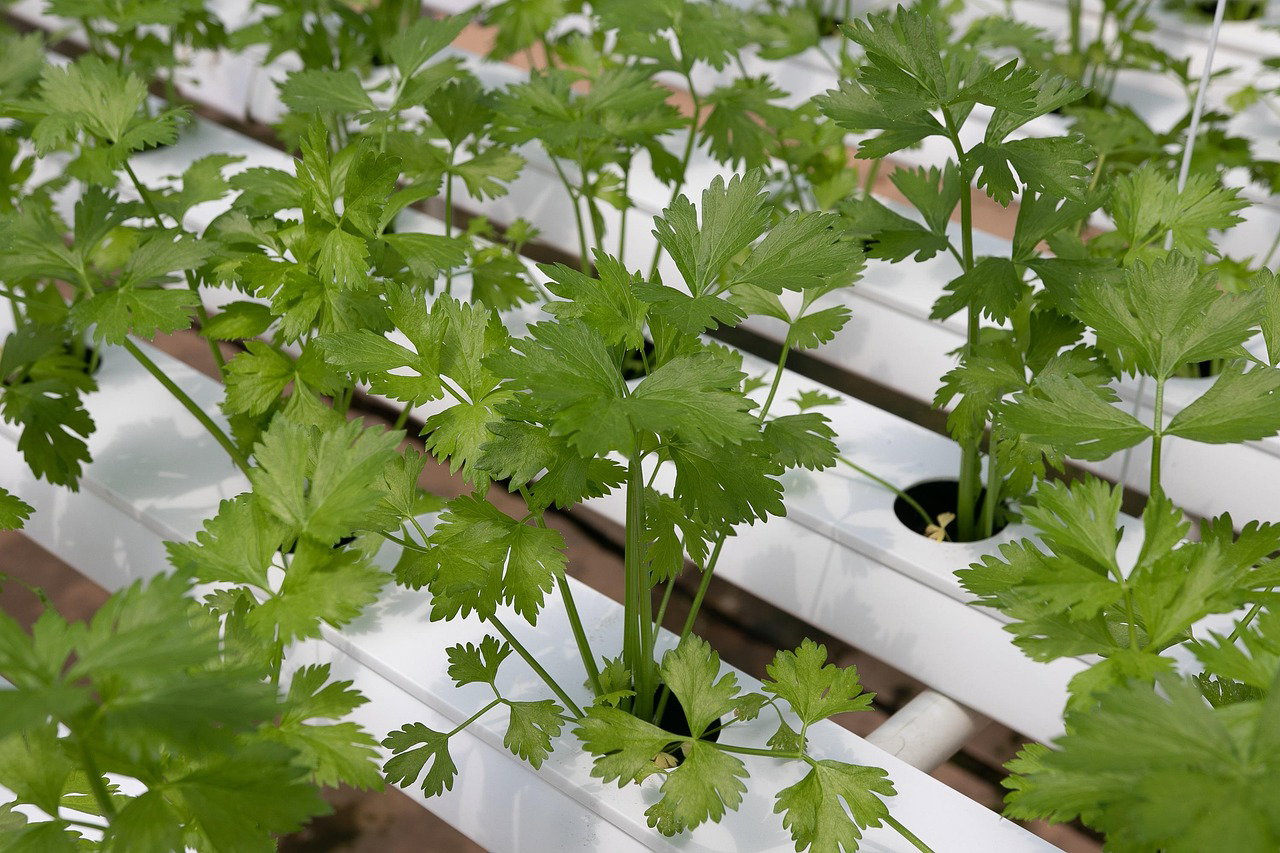
The Modern Kenyan Farmer’s Primer to Hydroponics: Grow More in Less Space
.Across Kenya’s agricultural heartlands and expanding urban borders, traditional farming is facing an unprecedented bottleneck. Subdivided family plots in counties like Kiambu, Kisumu, and Nyeri have grown smaller with every generation. At the same time, erratic rainfall patterns, rising soil-borne pathogens like bacterial wilt, and soaring fertilizer costs make soil-based farming increasingly unpredictable.
Enter hydroponic farming, a soil-free agricultural methodology that turns conventional farming on its head. Far from being an experimental laboratory setup, hydroponics is rapidly becoming a practical, high-yield strategy for Kenyan entrepreneurs, backyard enthusiasts, and commercial growers alike.
What is Hydroponic Farming?
At its core, hydroponic farming is the practice of growing plants without soil. Instead of searching through dirt for nutrients and moisture, plant roots are submerged in, or misted with, a precisely balanced water solution containing all essential mineral nutrients.
In traditional soil farming, a plant expends significant energy developing massive root networks to forage for water and nutrients. In a hydroponic system, those same nutrients are delivered straight to the root zone in soluble form.
Because the plant doesn't have to work to find food, it directs almost all its energy into growing lush leaves, crisp stems, and heavy fruit, resulting in faster growth cycles and higher yields per square meter.
Why Hydroponics Makes Strategic Sense for Kenya
Whether you have a quarter-acre plot in Nakuru or a 5m × 5m concrete rooftop in Pipeline, Nairobi, hydroponics solves several core challenges of modern Kenyan agriculture:
- 80% to 90% Less Water Consumption: Closed hydroponic systems recycle water continuously. In drought-prone regions or areas reliant on costly water trucking, this water efficiency is a massive advantage.
- Maximized Spatial Efficiency: Because roots don't need room to spread horizontally in search of food, crops can be planted much closer together. Using vertical A-frame structures, you can stack 4 to 6 rows of crops on top of each other, multiplying your output tenfold on the same footprint.
- No Soil-Borne Diseases: Continuous soil cultivation in Kenya has led to persistent issues with nematodes, fusarium wilt, and bacterial wilt—especially with tomatoes and capsicums. Eliminating soil eliminates these pathogens at the source, reducing reliance on chemical pesticides.
- Faster Harvest Cycles: Hydroponic crops mature up to 30% to 50% faster than their soil-grown counterparts. Hydroponic lettuce, for example, can go from seedling to harvest in just 28 to 35 days.
- Year-Round Production: Combined with basic shadehouses or simple UV-treated polythene covers, hydroponic systems protect crops from heavy downpours and hail while ensuring steady weekly harvests regardless of the season.
Common Misconceptions About Hydroponics in Kenya
Before diving into system designs, let's clear up three common myths that hold back aspiring local farmers:
Myth 1: "It’s too technical and expensive for a beginner."
While high-end computer-controlled hydroponic farms exist globally, a functional hydroponic system in Kenya can be constructed using affordable local materials, such as standard 4-inch PVC pipes, food-grade buckets, timber, and local volcanic pumice or coco coir.
Myth 2: "Hydroponic crops don't taste good or are artificial."
Plants absorb nutrients as inorganic ions regardless of whether those ions come from decomposed compost or dissolved mineral salts. Hydroponic produce is 100% natural, often tastes crisper and cleaner, and has high nutrient retention because it grows stress-free under optimal conditions.
Myth 3: "You need a huge piece of land."
Hydroponics thrives in tight spaces. A backyard space as small as 3m × 4m can easily hold a system producing over 300 heads of lettuce or 50 kg of fresh green animal fodder every single week.
Key Components of a Basic Hydroponic Setup
Every hydroponic system, regardless of size or complexity, relies on five fundamental components:
| Component | Function in the System | Common Kenyan Options |
| 1. Reservoir / Tank | Holds the water and dissolved nutrient solution. | Standard 100L–1000L plastic water tanks (e.g., Roto, Techno-Plast). |
| 2. Growing Channels / Containers | Holds the plants and directs water flow across roots. | 3-inch or 4-inch PVC pipes, plastic buckets, or wooden troughs lined with black polythene. |
| 3. Growing Medium | Provides physical support for plant roots (replaces soil). | Cocopeat (processed coconut fiber), volcanic pumice (abundant near Naivasha), or perlite. |
| 4. Submersible Pump & Piping | Circulates the nutrient solution from reservoir to channels. | Low-wattage aquarium or solar-powered water pumps with HDPE/PVC fittings. |
| 5. Hydroponic Nutrients | Specially formulated water-soluble minerals (Part A & Part B). | Pre-formulated hydroponic fertilizer mixes available from specialized local agricultural suppliers. |
What’s Next in This Series?
Understanding the foundations of hydroponic farming is the first step toward transforming small-scale agriculture in Kenya. In the upcoming articles, we will move from theory to practical implementation:
- Article 2: 4 Hydroponic Systems for Kenya (NFT, DWC, Drip & Vertical Towers)
- Article 3: High-Yield & Profitable Crops to Grow Hydroponically
- Article 4: Step-by-Step Guide to Constructing Affordable Hydroponic Structures