Why Boiled Cereals Can Be a Good SME Opportunity in Kenya
Many small traders focus on fast-moving daily consumption products because they provide regular cash flow.
Boiled cereals have several advantages:
1. Low entry barrier
A trader does not necessarily need a shop.
The business can start from:
- Home kitchen
- Small roadside stall
- Market table
- Food kiosk
- Container shop
Basic requirements include:
- Cooking pots
- Jikos or gas cooker
- Water
- Packaging containers
- Serving spoons
- Storage containers
2. Daily repeat customers
Unlike occasional products, boiled cereals are everyday foods.
Common customers include:
- Construction workers
- Office workers
- Students
- Drivers and riders
- Estate residents
- Small business owners
- Market traders
A customer who likes your product can return several times per week.
The Most Profitable Cereals to Sell
Different cereals have different demand depending on location.
1. Boiled Maize (Mahindi)
Boiled maize is one of the most common products.
It sells well because it is:
- Affordable
- Filling
- Familiar to customers
Possible selling formats:
- Cup portions
- Small containers
- Takeaway packs
Typical customers:
- Low-income estates
- Rural centres
- Markets
- Transport areas
2. Githeri (Maize + Beans)
Githeri remains one of the strongest products because it combines two cereals into a complete meal.
Advantages:
- Higher selling price than plain maize
- More filling
- Popular for lunch
A trader can improve margins by adding:
- Onions
- Tomatoes
- Seasoning
- Cooking oil
3. Beans
Common varieties:
- Rosecoco beans
- Red beans
- Yellow beans
- Small beans
Beans usually have strong demand because they are used as:
- Breakfast
- Lunch accompaniment
- Takeaway food
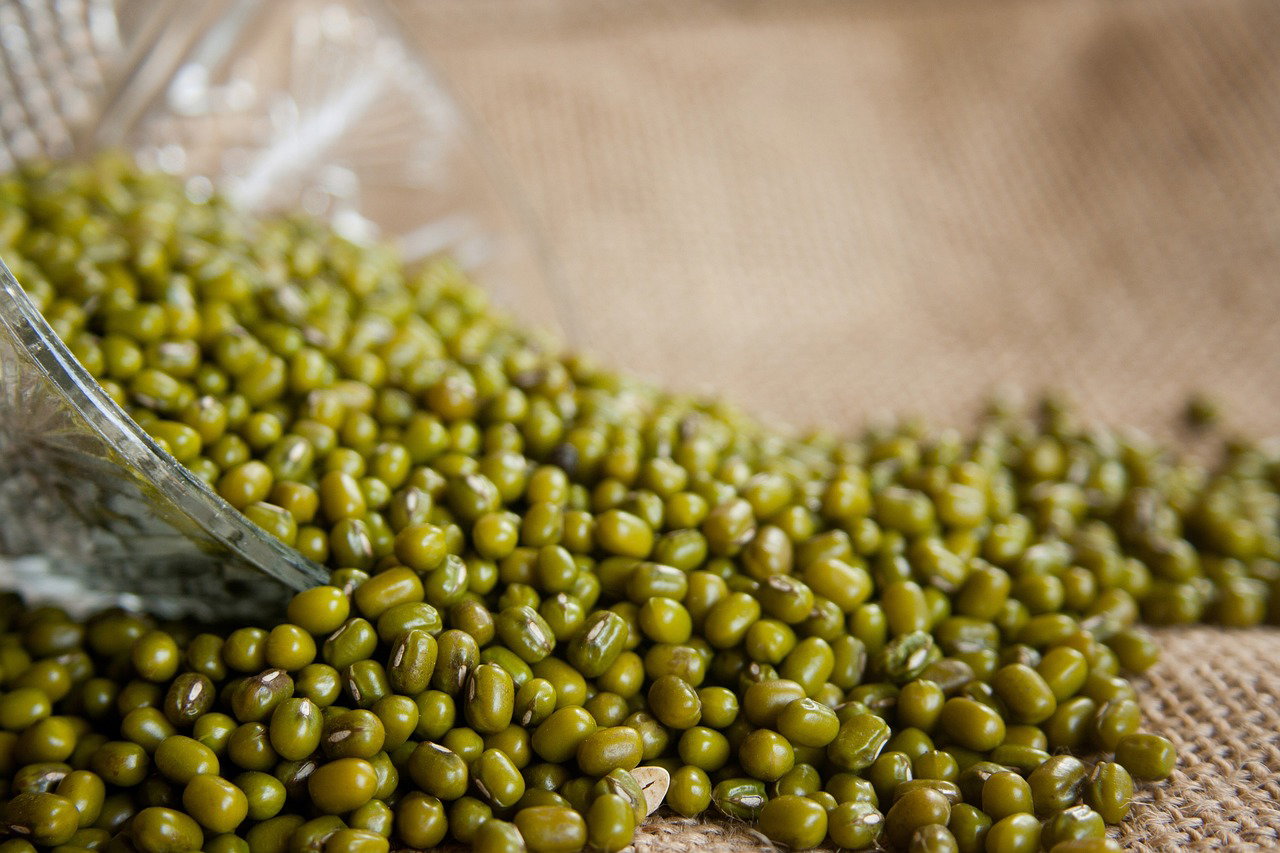
4. Green Grams (Ndengu)
Ndengu is popular among many urban customers.
Advantages:
- Faster cooking compared to some beans
- Popular with health-conscious customers
- Can sell at a premium
5. Njahi (Black Beans)
Njahi has a loyal market, especially in some regions.
Customers appreciate it because of:
- Taste
- Nutrition
- Traditional preference
Where to Source Cereals in Kenya
Profitability starts with buying well.
Small traders can source from:
1. Wholesale markets
Major options include:
- Wakulima Market
- Local county markets
- Agricultural collection centres
Wholesale buying usually gives better margins.
2. Farmers directly
Buying directly from farmers can reduce costs.
Potential sources:
- Maize farmers
- Bean farmers
- Green gram farmers
- Farmer groups
Advantages:
- Better prices
- Fresh produce
- Possibility of bulk deals
3. Grain shops and distributors
Useful when starting small.
You can buy:
- 5 kg
- 10 kg
- 25 kg bags
Then increase volumes as demand grows.
Example Cost and Profit Calculation (Small Trader)
(Prices vary by season and location. These are example figures for planning.)
Example: Githeri Batch
Assume buying:25 kg maize + beans mixture
Possible cost:
Cereals:
- 25 kg × KSh 80–120 per kg
Estimated raw material:
KSh 2,000–3,000Other costs:
- Fuel/firewood: KSh 200–400
- Seasoning: KSh 100–300
- Packaging: KSh 200–500
Total preparation cost:
Approximately KSh 2,500–4,000
Selling
Suppose cooked product gives:100–150 portions
Selling price:
Small cup:
KSh 30–50
Medium takeaway:
KSh 70–120
If 120 portions sell at average KSh 50:
Revenue:120 × 50 = KSh 6,000
Possible gross margin:
Approximately KSh 2,000+ before other expenses.
Best Locations for a Boiled Cereals Business
Location matters more than many people think.
Good areas:
Residential estates
Examples:
- Near apartment blocks
- Near stages
- Near schools
- Near factories
Customers want convenience.
Rural centres
Advantages:
- Lower rent
- Less competition
- Loyal customers
Busy foot traffic points
Examples:
- Matatu stages
- Market entrances
- Construction areas
Challenges to Expect
Competition
Many traders sell similar products.
Solution:
Differentiate through:
- Cleanliness
- Good taste
- Consistency
- Friendly service
Spoilage
Cook only what you can reasonably sell.
Better:
- Smaller batches
- More frequent cooking
Seasonal price changes
Cereal prices change depending on:
- Harvest seasons
- Weather
- Supply
Build relationships with suppliers.
Simple Starter Budget Example
A small home-based setup:
| Item | Estimated Cost |
|---|---|
| Cooking pots | KSh 2,000–5,000 |
| Jiko/gas setup | KSh 2,000–8,000 |
| Utensils | KSh 1,000–3,000 |
| Containers | KSh 1,000–3,000 |
| Initial stock | KSh 3,000–10,000 |
| Packaging | KSh 1,000–2,000 |
Possible starting range:
KSh 10,000 – 30,000
Conclusion
The boiled cereals business is one of Kenya’s practical micro-business opportunities because it combines:
- Low starting capital
- Daily demand
- Simple operations
- Easy scaling
For someone targeting estates, rural centres, and busy neighbourhoods, a well-run boiled cereals business can become a reliable source of daily income.
The biggest success factors are:
- Choosing the right location
- Buying cereals at good prices
- Maintaining quality
- Managing portions and waste