Best Crops for Hydroponic Farming in Kenya: High-Yield & Profitable Choices
Best Crops for Hydroponic Farming in Kenya: High-Yield & Profitable Choices
Selecting the right crop is the bridge between a working hydroponic system and a profitable agricultural business. While almost any non-woody plant can technically be grown without soil, not every crop makes economic sense in the Kenyan market.
Success requires balancing growth cycle speed, yield density, system compatibility, and local buyer demand across urban estates, green grocers, hotels, and processing hubs.
Here is a breakdown of the most high-yielding, profitable crops for hydroponic growers in Kenya.
1. Leafy Greens (Fastest Cash-Flow Turnaround)
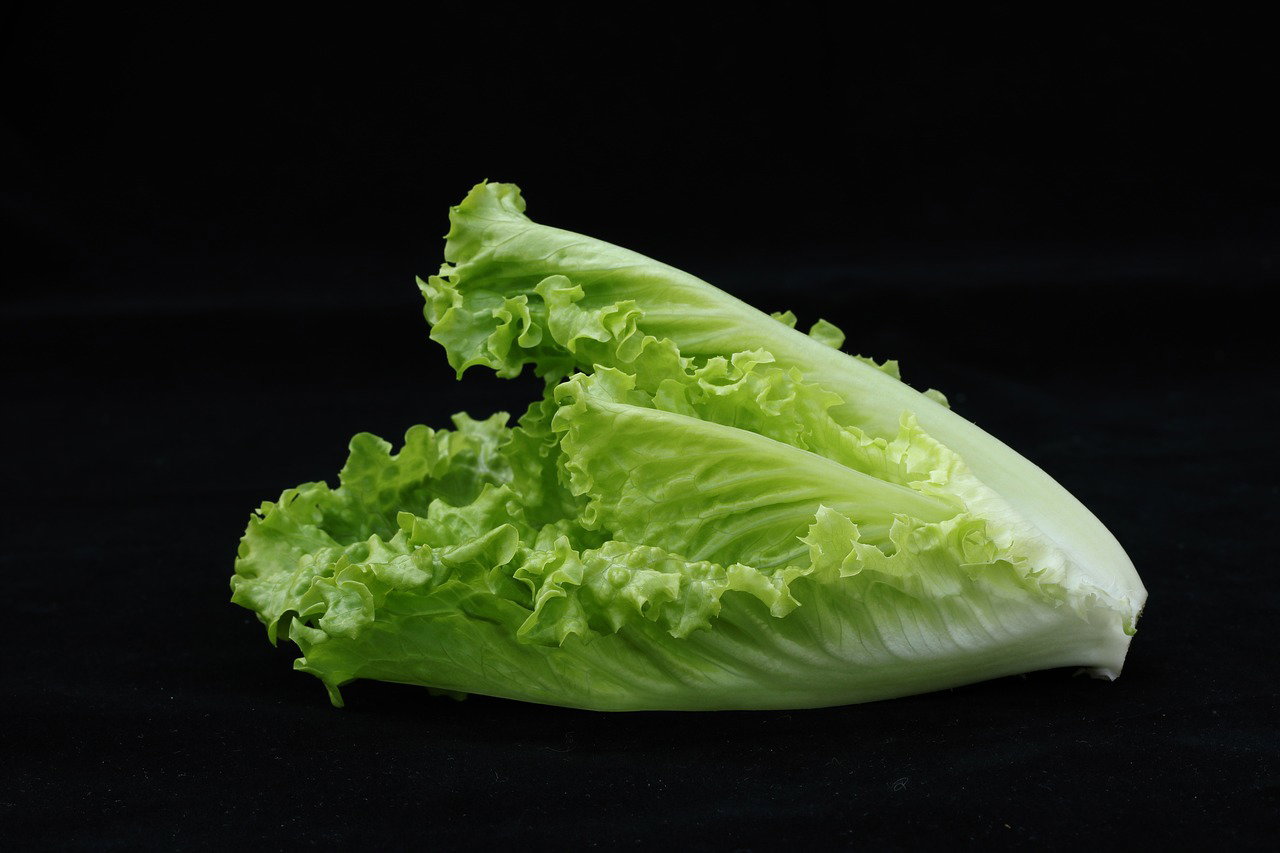
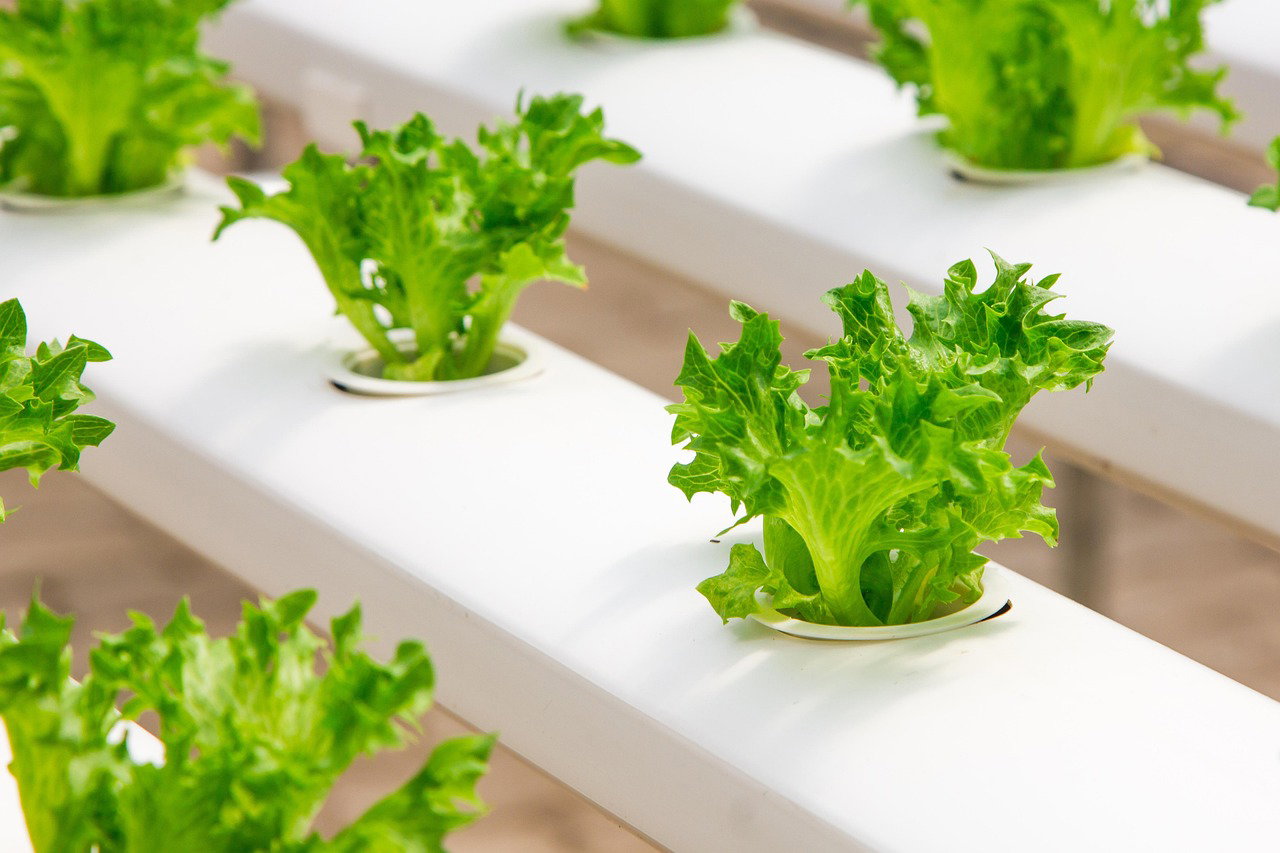
Leafy greens form the commercial backbone of urban and peri-urban hydroponic setups in Kenya. Their compact size, shallow root systems, and short maturation cycles make them ideal for NFT channels, DWC floating rafts, and vertical A-frame pipe racks.
Top Varieties
- Lettuce: Butterhead, Romaine, Lollo Rossa, and Oakleaf.
- Spinach & Sukuma Wiki (Kale): High-yielding local staples that produce thick, pest-free leaves continuously.
- Bok Choy & Swiss Chard: Rapidly growing specialty greens popular in urban supermarkets.
Production Metrics & Market Dynamics
- Growth Cycle: 28 to 35 days from transplanting to harvest.
- Recommended System: NFT or DWC.
- Price Outlook: KES 40 to KES 120 per head depending on packaging and target market (open-air markets vs. supermarket chains like Naivas and Carrefour).
- Why It Pays: Short cycles allow for 10 to 12 harvests per year per channel space.
2. High-Value Culinary Herbs (Highest Revenue per Square Meter)
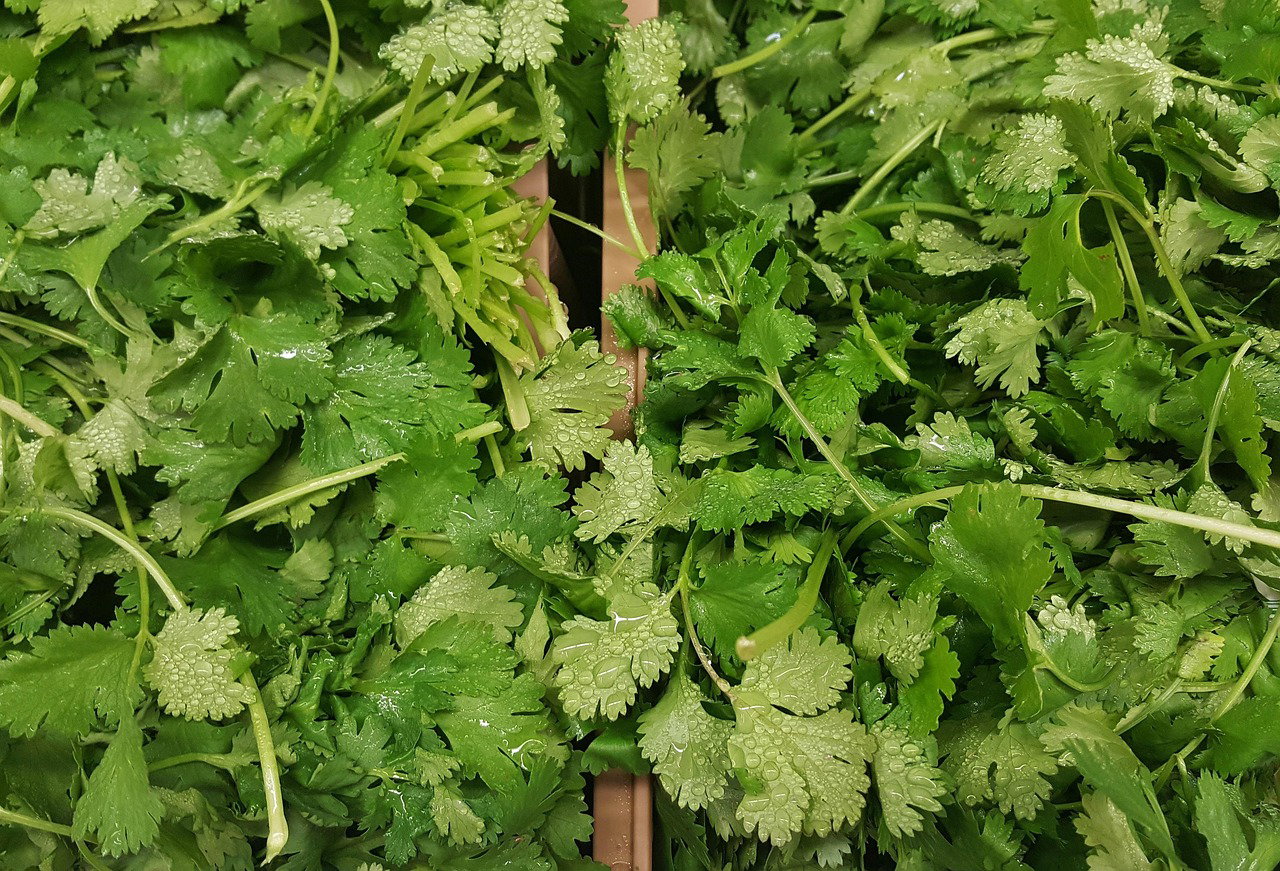
Culinary herbs yield exceptional financial returns relative to their physical footprint. With Kenya's expanding hospitality industry and growing urban preference for fresh culinary ingredients, demand for pesticide-free herbs remains strong year-round.
Top Varieties
- Sweet Basil & Italian Genovese Basil: High demand from Italian restaurants, pizza chains, and sauce manufacturers.
- Coriander (Dania) & Parsley: Daily household staples with rapid multi-cut regeneration.
- Mint, Rosemary, & Thyme: Highly valued by cocktail lounges, hotels, and tea blenders.
Production Metrics & Market Dynamics
- Growth Cycle: First cut at 30–40 days; continuous harvests every 10–14 days thereafter.
- Recommended System: NFT channels or DWC rafts with cocopeat/pumice net-cup support.
- Price Outlook: KES 300 to KES 800 per kilogram wholesale.
- Why It Pays: High concentration of essential oils in clean, hydroponically grown herbs commands a price premium from commercial kitchens.
3. Strawberries (The Luxury Small-Space Crop)

Fresh strawberries are a premium commodity in Kenya. Traditional soil-grown strawberries frequently suffer from soil-borne fungi (like Botrytis and root rot) and soil contamination during rain storms. Hydroponic vertical towers and gutter setups keep fruit elevated, clean, and disease-free.
Top Varieties
- Chandler, Sweet Ann, and San Andreas: Renowned for large fruit size, high sugar content, and long shelf life.
Production Metrics & Market Dynamics
- Growth Cycle: Fruiting begins at 60–75 days and continues productively for 2 to 3 years.
- Recommended System: Vertical Towers or Substrate Gutters using a 70% Pumice + 30% Cocopeat media mix.
- Price Outlook: KES 600 to KES 1,200 per kilogram.
- Why It Pays: Vertical towers allow you to fit up to 50 to 80 plants per square meter, making strawberries one of the most lucrative choices for urban rooftops and backyard plots.
4. Fruiting Crops: Tomatoes & Capsicums (High-Volume Commercial Choice)
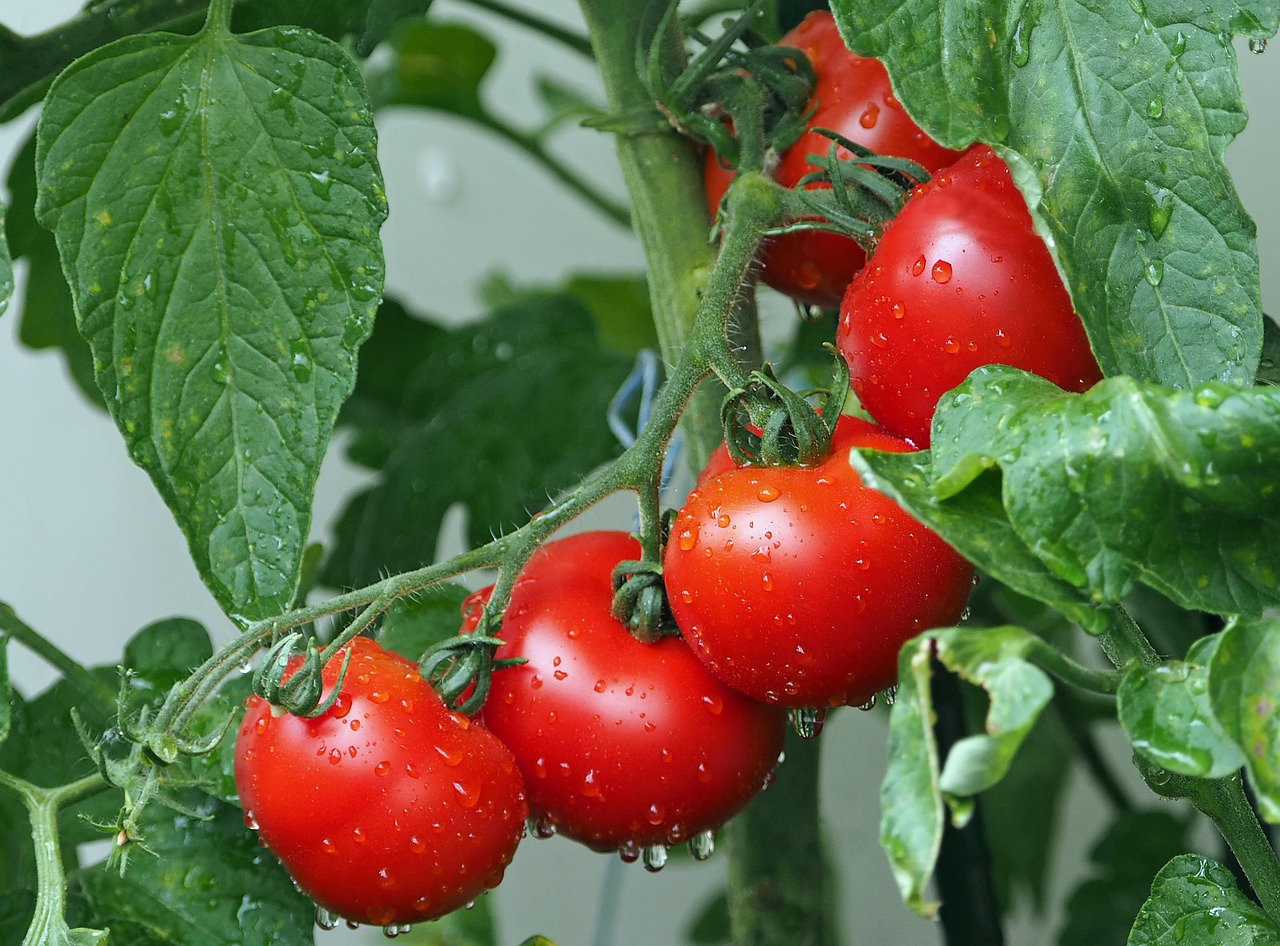
Heavy-fruiting crops require solid structural support and generous root volume. Hydroponic substrate drip systems dramatically outperform soil farming by eliminating bacterial wilt (Ralstonia solanacearum)—a common cause of complete crop loss in traditional Kenyan tomato fields.
Top Varieties
- Tomatoes: Indeterminate varieties (e.g., Anna F1, Monalisa F1) trained vertically up to 4 meters high.
- Capsicum (Sweet Peppers): Red, Yellow, and Green bell peppers.
Production Metrics & Market Dynamics
- Growth Cycle: Harvest begins at 75–90 days and extends up to 9–12 months continuous picking for indeterminate vines.
- Recommended System: Substrate Drip in Dutch Buckets or Grow Bags filled with pure Volcanic Pumice or a 50/50 Cocopeat/Pumice blend.
- Price Outlook: Colored capsicums average KES 150–250/kg; premium hydroponic tomatoes range from KES 80–150/kg wholesale.
- Why It Pays: Controlled drip fertigation increases yields from a soil average of 15 kg/m² up to 35–50 kg/m² per season.
5. Hydroponic Fodder (Low-Cost Livestock Feed Alternative)
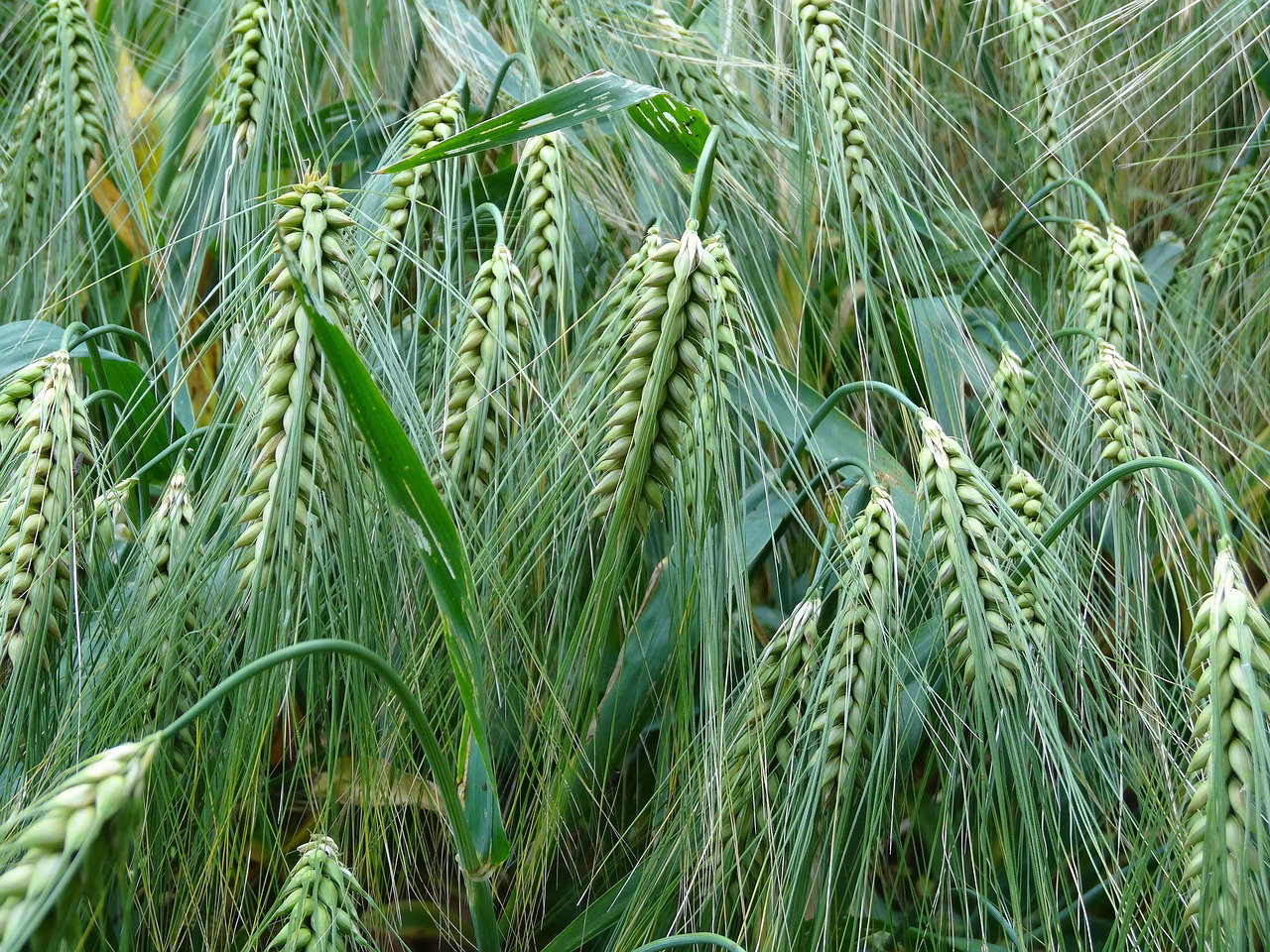
Hydroponic green fodder is grown not for human markets, but to cut animal feed costs for dairy cows, goats, pigs, and poultry by up to 50%.
Primary Grains Used
- Barley, Maize, Wheat, and Sorghum.
Production Metrics & Market Dynamics
- Growth Cycle: 7 days from seed soaking to full green mat harvest.
- Recommended System: Tiered tray racks with simple automated micro-misters.
- Conversion Efficiency: 1 kg of dry grain yields approximately 6 to 8 kg of fresh, highly digestible green fodder mat.
- Why It Pays: Drastically reduces reliance on expensive commercial dairy meals and dry hay during drought periods.
Crop Selection Matrix for Kenyan Hydroponic Farmers
| Crop Category | Recommended System | Growth Cycle | Capital Required | Target Buyers |
| Leafy Greens | NFT / DWC | 28–35 days | Low to Moderate | Supermarkets, Estates, Greengrocers |
| Culinary Herbs | NFT / DWC | 30–40 days | Low | Restaurants, Hotels, Exporters |
| Strawberries | Vertical Towers / Gutters | 60–75 days | Moderate | Bakeries, Supermarkets, Direct Retail |
| Tomatoes & Peppers | Substrate Drip | 75–90 days | Moderate to High | Wholesale Produce Markets, Processors |
| Green Fodder | Tiered Sprouting Trays | 7 days | Very Low | Own Farm Use / Local Dairy Farmers |
Strategic Advice for Beginners
- Start with Leafy Greens or Fodder: If you are new to nutrient balancing (pH and EC management), begin with crops like lettuce or 7-day fodder. They are forgiving, grow rapidly, and allow you to master system operations quickly.
- Secure Your Buyer Before Planting: Do not wait until harvest day to find a market. Approach local restaurants, supermarket procurement desks, or estate delivery groups while your seedlings are still in the nursery.
- Stagger Your Planting: Avoid planting all your channels on the exact same day. Divide your production into weekly batches to maintain a steady rolling harvest and supply your buyers consistently every week.