How to Grow a Boiled Cereals Business in Kenya: From Small Stall to Food Brand
Introduction
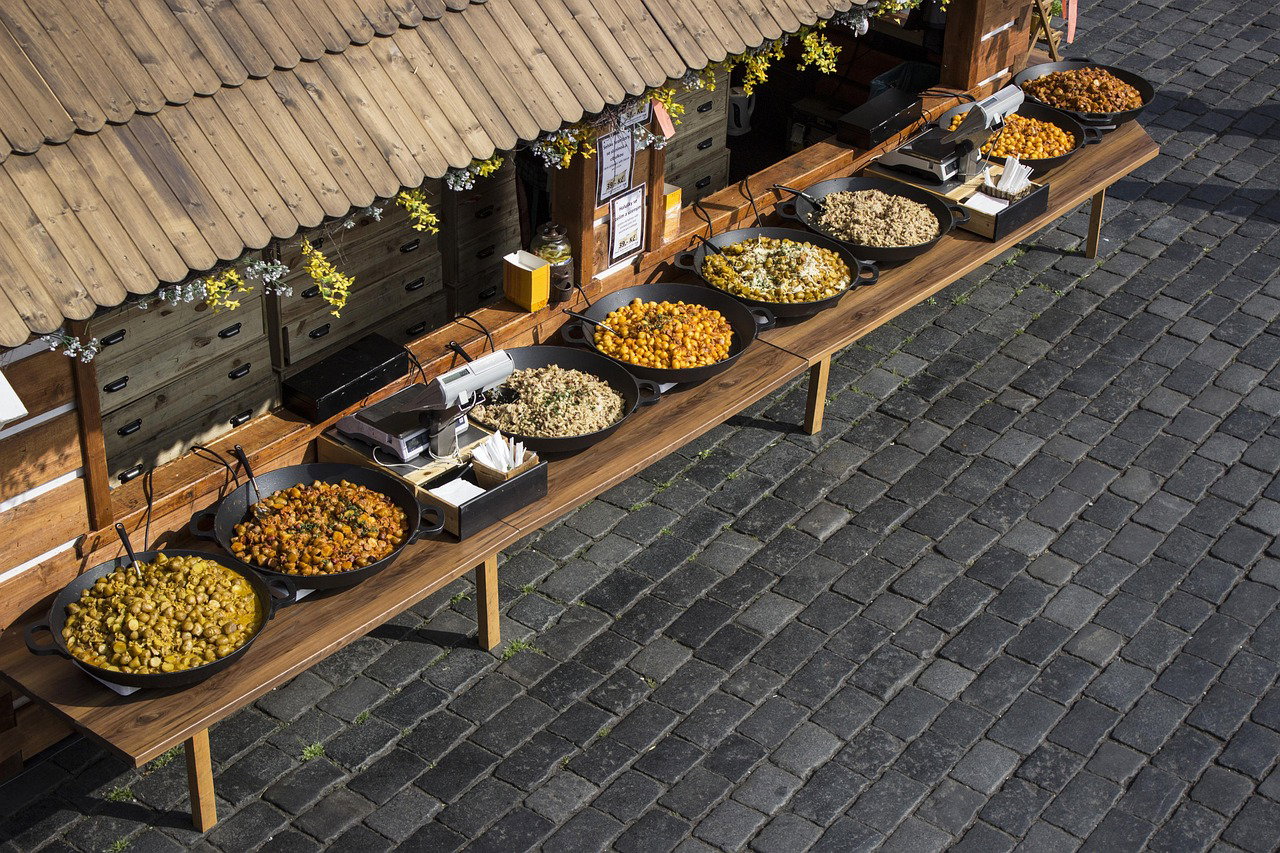
Starting a boiled cereals business in Kenya is often a small beginning, a single cooking pot, a jiko, a few customers, and a simple selling point.
However, many successful food businesses start exactly this way.
With proper management, a boiled cereals business can grow from a roadside stall or home-based operation into a recognised food brand with multiple selling points, loyal customers, and steady income.
The secret is moving from simply selling food to building a repeatable business system.
Stage 1: Master the Small Business Before Expanding
Many small traders make the mistake of expanding too quickly before understanding their numbers.
Before thinking about growth, know:
- How much you spend daily
- How much food you prepare
- How many portions you sell
- Your most profitable products
- Your slow-moving products
- Your peak selling hours
Track simple daily figures:
Example:
| Item | Amount |
|---|---|
| Cereals purchased | KSh 2,500 |
| Fuel | KSh 300 |
| Packaging | KSh 300 |
| Total cost | KSh 3,100 |
| Sales | KSh 6,000 |
| Estimated profit | KSh 2,900 |
Without records, it is difficult to know whether the business is actually growing.
Stage 2: Improve Your Product Quality
Customers return because of consistency.
A customer should get the same experience whether they buy today or next week.
Focus on:
Taste
Develop a signature style.
For example:
- Special githeri recipe
- Well-seasoned beans
- Soft, well-cooked maize
- Unique spice combinations
Cleanliness
Food businesses grow mainly through trust.
Important areas:
- Clean cooking area
- Clean serving containers
- Covered food storage
- Proper hygiene practices
A clean food business attracts customers willing to pay more.
Portion control
One common mistake is giving different portions to different customers.
Use:
- Standard cups
- Standard containers
- Measuring scoops
This protects profits.
Stage 3: Add More Profitable Products
Once the main products are selling well, introduce additional options.
Possible additions:
Mixed cereals
Examples:
- Maize + beans
- Maize + peas
- Beans + maize + vegetables
These can command higher prices.
Premium options
Create products for customers who want more.
Examples:
- Githeri special
- Beans with vegetables
- Cereals with avocado
- Larger family packs
Breakfast options
Morning customers can increase sales.
Consider:
- Boiled green grams
- Beans
- Porridge
- Sweet potatoes
- Arrowroots
Stage 4: Improve Packaging and Presentation
A business can look more valuable through simple improvements.
Instead of plain containers, consider:
- Branded takeaway packs
- Stickers
- Business name
- Contact number
Example:
"Mama Jane Cereals
Freshly Cooked Daily
Call/WhatsApp: XXXXX"
This helps customers remember you.
Stage 5: Build a Customer Base
Food businesses survive on repeat customers.
Create relationships with:
Estate residents
Target:
- Apartment tenants
- Families
- Working professionals
Offer:
- Daily supply
- Weekly packages
- Family portions
Offices and workplaces
Nearby offices can become regular customers.
Possible offers:
- Lunch deliveries
- Staff meal packages
- Bulk orders
Schools and institutions
Depending on local regulations, institutions can provide consistent demand.
Stage 6: Introduce Delivery
Delivery can increase sales beyond your physical location.
Start simply:
- WhatsApp orders
- Phone orders
- Local riders
Create a routine:
Morning:
- Breakfast deliveries
Afternoon:
- Lunch deliveries
Evening:
- Family portions
Stage 7: Turn the Stall Into a Recognised Brand
A brand is more than a name.
It includes:
- Product quality
- Customer experience
- Appearance
- Trust
Choose a memorable name.
Examples:
- Estate Cereals Hub
- Mama's Githeri Point
- Fresh Bowl Kenya
- The Cereal Kitchen
(Always check business name availability before registering.)
Stage 8: Open More Selling Points
Before opening another branch, make sure the first one works without constant supervision.
Create systems for:
- Purchasing
- Cooking
- Portion sizes
- Cash handling
- Customer service
Then expansion becomes easier.
Possible growth model:
Year 1:
- One stall
Year 2:
- Second location
Year 3:
- Multiple outlets
Stage 9: Supply Other Small Traders
A bigger opportunity is moving from retail into supply.
You can prepare and supply:
- Schools
- Small kiosks
- Shops
- Offices
- Events
Instead of selling 100 portions yourself, you could supply several sellers.
Stage 10: Register and Professionalise
As the business grows, consider formalising.
Possible steps:
- Register the business
- Keep proper accounts
- Separate business money from personal money
- Open a business payment channel
- Improve branding
Professional businesses attract bigger customers.
Common Growth Mistakes to Avoid
Expanding before understanding profits
More branches do not automatically mean more money.
Ignoring customer feedback
Customers will tell you:
- What they like
- What they dislike
- What they want added
Listen.
Poor hygiene during growth
A small mistake can damage a food brand.
Quality control must increase as you grow.
Growth Opportunities Beyond Boiled Cereals
A successful cereals business can expand into:
- Catering services
- Packed meals
- Frozen food products
- Event catering
- Office meal supply
- Ready-to-eat food delivery
The cereals business can become the foundation of a larger food enterprise.
Final Thoughts
A boiled cereals business in Kenya may start small, but it has potential to grow into a serious SME.
The journey is usually:
One pot → One stall → Loyal customers → Multiple products → Food brand
The entrepreneurs who succeed are not always the ones who start with the most money, but those who focus on:
- Quality
- Consistency
- Customer trust
- Good financial management
A simple bowl of boiled cereals can become a profitable Kenyan food brand when treated as a real business.