Hydroponic Fodder Farming in Kenya: Grow Dairy & Poultry Feed in 7 Days
Hydroponic Fodder Farming in Kenya: Grow Dairy & Poultry Feed in 7 Days
For livestock producers across Kenya, from zero-grazing dairy setups in Kiambu to poultry units in Machakos, commercial feed represents up to 60% to 70% of total operational costs.
Soaring prices of dairy meal, layers mash, and dry hay, combined with frequent droughts, leave livestock margins paper-thin.
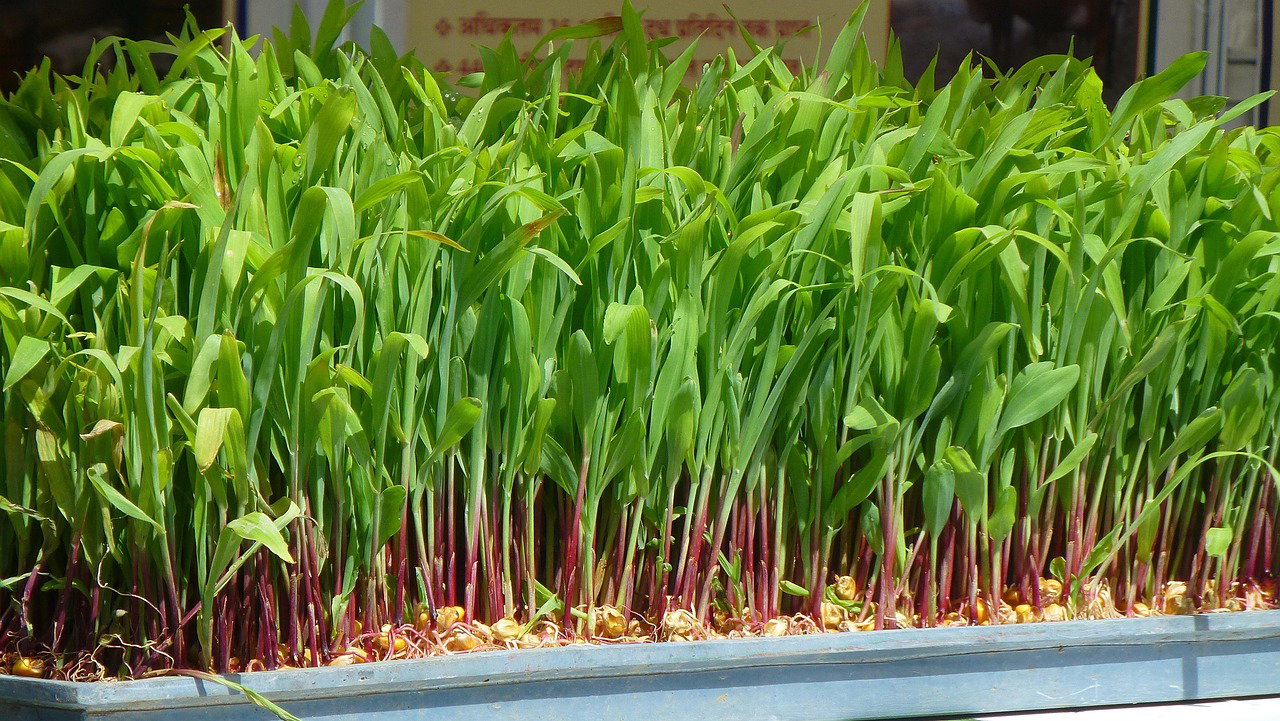
Hydroponic fodder farming offers a game-changing alternative. By sprouting high-energy cereal grains (such as barley, wheat, or maize) inside a controlled roomusing plain water, you can turn 1 kg of dry seed into 6 to 8 kg of lush, highly digestible green mat in just 7 days.
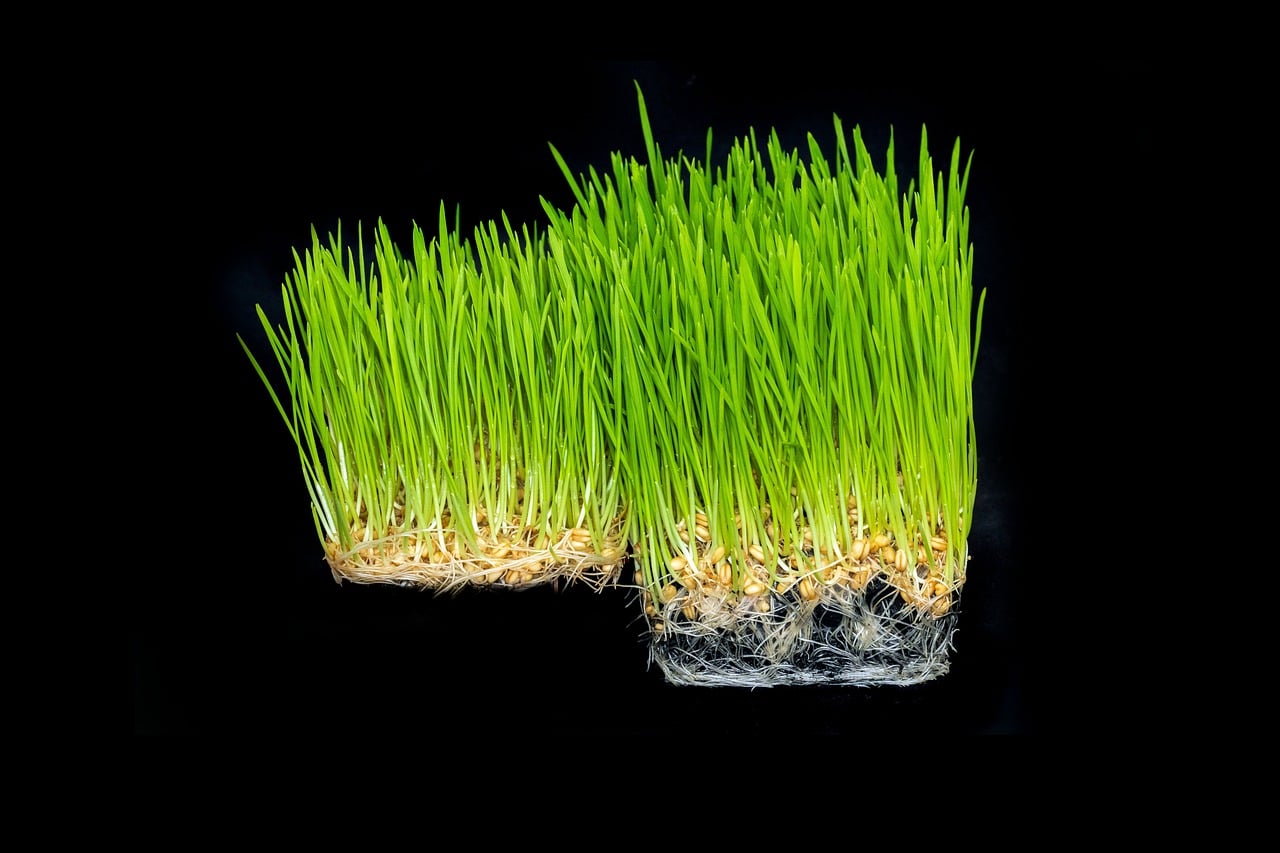
Because animals eat the entire mat, green shoots, sprouted seeds, and dense root systems, this zero-waste feed provides crude protein, active enzymes, and vitamins while cutting commercial feed reliance in half.
The 7-Day Sprouting Cycle Protocol
Consistency and strict hygiene are the keys to successful hydroponic fodder. Following this daily rotation ensures your livestock receives a continuous harvest every single morning.
1.Day 1:
Seed Cleaning and Sterilization:
Disinfecting grains prevents fungal mold during growth.
Select clean, untreated whole grains (barley or maize). Wash the seeds thoroughly with clean water, discarding any floating hulls or debris. Soak seeds for 15 to 30 minutes in a diluted disinfectant bath (2.5 ml household bleach/Jik per 2.5 liters of clean water) to destroy surface mold spores. Drain, rinse twice with clean water, and leave submerged in plain fresh water for 4 to 12 hours.
2.Day 2: Drain and Incubate:
Air exposure triggers rapid root sprouting.
Drain all water completely and let the seeds rest in a gunny sack or covered bucket in a warm, dark room for 12 to 24 hours. By the end of Day 2, tiny white root nodes will emerge from the seeds.
3.Day 3: Loading Growing Trays:
Establish even coverage across perforated trays.
Spread the sprouted seeds evenly into plastic trays with bottom drainage holes. Keep the seed layer approximately 1.5 cm to 2 cm thick (about 1.5 kg to 2.3 kg of seed per standard 30cm × 90cm tray). Place trays on the bottom shelf of your rack system.
4.Days 4 to 6: Misting and Vertical Growth:
Moisture is required without waterlogging roots.
As shoots grow taller, shift the trays upward along your tiered racks. Mist the trays 3 to 4 times daily using automated micro-misters or a hand knapsack sprayer dedicated strictly to clean water. Shoots will turn vivid green as daylight triggers photosynthesis.
5.Day 7: Harvest and Livestock Feeding:
Peel off the complete root-seed-shoot carpet.
By Day 7, the fodder reaches 20 cm to 25 cm in height, forming a dense white root mat beneath a thick green carpet. Roll the entire mat out of the tray like a rug and serve it directly to livestock without cutting or processing. Clean and disinfect the empty tray immediately before reloading.
Recommended Seed Options for Kenya
While several cereal grains can be sprouted, your choice depends on availability, animal type, and local cost:
| Seed Variety | Best Livestock Target | Advantages | Local Procurement Notes |
| Barley | Dairy Cows, Goats, Horses | Highest crude protein (up to 19%), soft root mat, rapid 7-day growth. | Available in bulk from seed distributors across Rift Valley & Central Kenya. |
| Maize | Pigs, Poultry, Beef Cattle | High energy content, cheaper seed cost per bag. | Use clean, untreated grain (avoid seed treated with pink copper fungicide). |
| Wheat | Poultry, Small Ruminants | Rich in digestible fiber and micronutrients. | Excellent alternative when barley prices fluctuate. |
Daily Rations & Livestock Substitution Rates
Hydroponic green fodder is a high-potency supplement, it should not replace dry roughage (like hay or straw) entirely, because ruminants still require long-stem fiber for proper digestion.
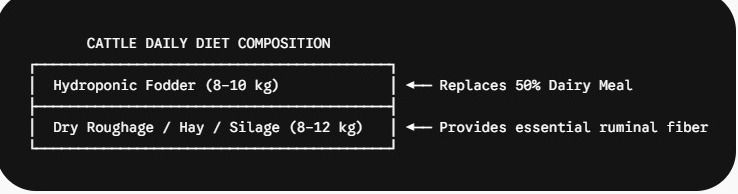
- Dairy Cattle: Feed 8 kg to 10 kg of fresh barley fodder mat per cow daily. This allows you to safely reduce commercial dairy meal intake by 40% to 50% while maintaining or increasing daily milk production.
- Poultry (Layers & Broilers): Provide 5 kg to 8 kg of sprouted green fodder per 100 birds per day alongside commercial mash. Fodder rich in natural carotenoids deepens egg yolk color to a rich golden yellow.
- Pigs: Feed 3 kg of hydroponic maize fodder combined with 2 kg of standard pig feed concentrate per finisher pig daily.
- Goats & Sheep: Provide 1.5 kg to 2 kg of green fodder per animal per day.
5 Economics of Fodder Units (4m × 3m Shadehouse Unit)
A small 4m × 3m shadehouse unit containing a 70-to-100 tray timber rack system can produce 100 kg to 140 kg of fresh green fodder daily—sufficient to feed 8 to 10 dairy cows.
| Investment / Cost Category | Estimated Capital (KES) | Operational Impact |
| Shadehouse Frame & Shelving Racks | KES 35,000 – KES 50,000 | Built using treated timber and 50% shade netting. |
| Sprouting Trays (70–100 UV Plastic Trays) | KES 15,000 – KES 25,000 | Food-grade plastic trays with pre-drilled drain holes. |
| Micro-Misting System & Water Tank | KES 8,000 – KES 14,000 | Low-wattage timer pump, piping, and mist nozzles. |
| Total Setup Cost (CAPEX) | KES 58,000 – KES 89,000 | One-off initial setup cost. |
| Production Cost per Kg of Green Fodder | KES 4.50 – KES 6.50 / kg | Includes seed, water, bleach, and labor. |
Monthly Savings Realized
A farmer spending KES 600 daily on commercial dairy meal for 3 cows can save approximately KES 300 per day by introducing hydroponic green fodder mats. This yields net monthly savings of over KES 6,000 to KES 8,000, fully paying off the initial structure investment within 8 to 10 months.
Prevent Mold in Kenyan Fodder Systems
Fungal mold is the primary cause of failure in poorly ventilated fodder units. Follow these rules to protect your system:
- Enforce Rigid Seed Sterilization: Never skip the Day 1 bleach/Jik wash. It neutralizes dormant mold spores clinging to seed coats.
- Control Internal Temperature: Keep the shadehouse unit within 18°C to 24°C. Temperatures above 28°C under hot conditions encourage black mold growth.
- Avoid Stagnant Water: Ensure every sprouting tray has sufficient drainage holes. Water must drain freely within 60 seconds of misting.