Layer Chicken Feed & Egg Marketing in Kenya: How to Maximize Profits
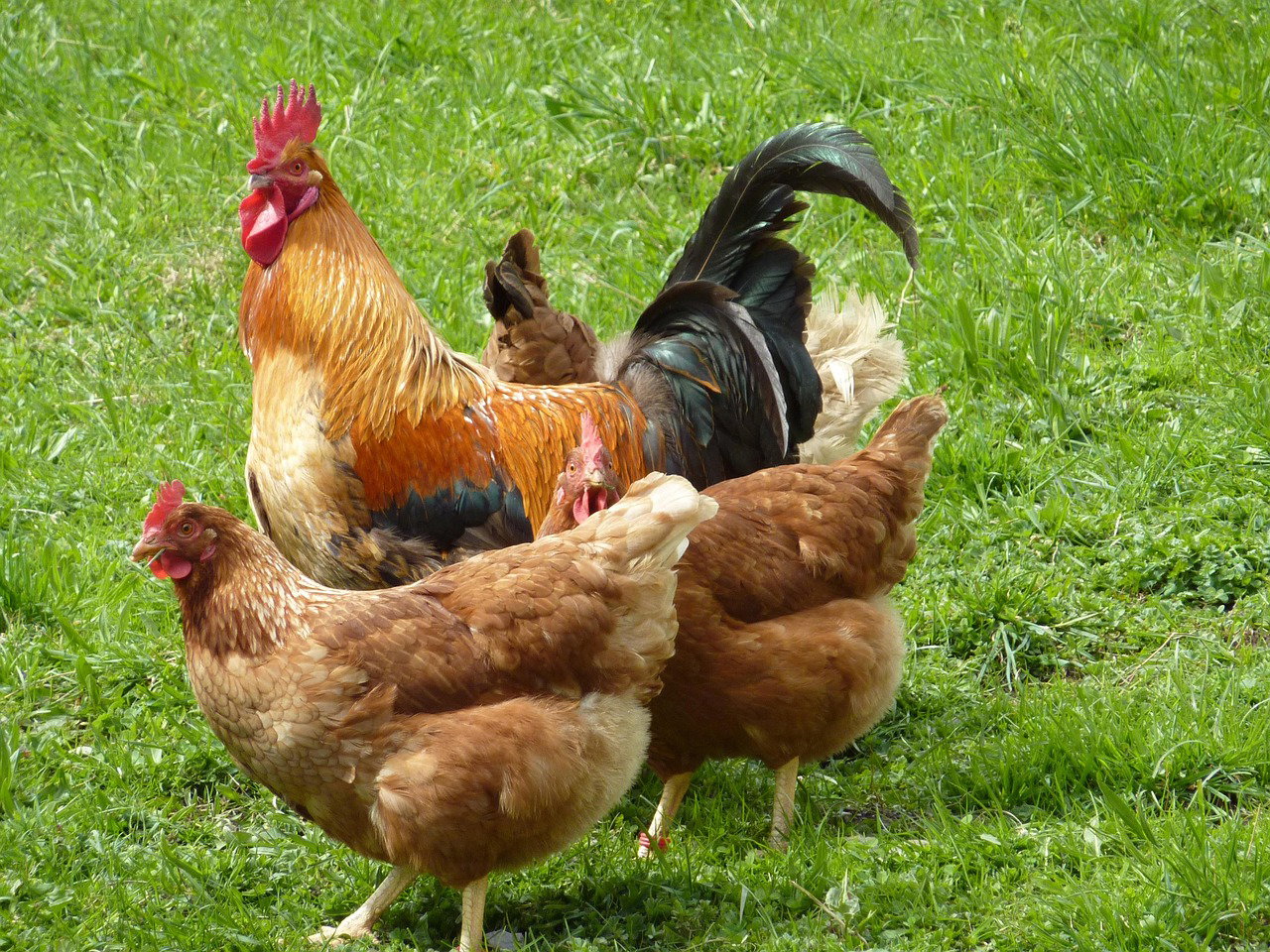
The milestone poultry farmers wait for arrives between weeks 18 and 20: the very first eggs from the flock. While seeing those small pullet eggs is exciting, this marks the start of the most critical business phase.
Your operational focus must now pivot from raising birds to running a production line. To make a profit, you must balance daily management, optimize layer nutrition, and establish a reliable marketing network.
1. Housing Systems: Deep Litter vs. Battery Cages
Before your layers begin producing, you must decide how to house them. Both systems work well in Kenya, but they require different levels of initial capital and daily labor.
Deep Litter System (Floor Rearing)
In this traditional setup, birds walk freely on a concrete floor covered in clean wood shavings.
- The Pro: It requires low initial setup capital. You do not need to buy expensive imported equipment.
- The Con: It requires high daily labor. You must manually collect eggs from nesting boxes, manage floor hygiene to prevent dirty eggs, and monitor feed wastage caused by birds scratching at the feeders.
- Space Rule: Allocate 2.5 to 3 square feet per mature bird.
Battery Cage System
This modern setup houses birds inside structured, galvanized wire cages equipped with automatic nipple drinkers and sloped mesh floors that roll eggs out safely.
- The Pro: It maximizes space by stacking birds vertically. It eliminates egg damage and soil-borne diseases, and completely stops birds from scratching out or wasting feed.
- The Con: It requires a very high upfront capital investment to purchase and install the cages.
- Space Rule: Highly dense; a single small multi-tier cage system can comfortably hold hundreds of birds in a compact room.
2. Feeding and Lighting for Peak Laying
Feed accounts for roughly 70% to 80% of your daily operational expenses. Managing this cost while maintaining egg quality requires strict attention to nutrition.
                      [ THE PEAK PRODUCTION FORMULA ]

   120g Layers Mash       16 Hours of Light       Clean, Fresh Water
   (High Calcium)    +     (Natural + Bulbs)  +    (With No Limits)

         =======================================================
         RESULT: 85% - 93% Laying Rate (Consistent Tray Yields)
Transition to Layers Mash
Switch your birds from Growers Mash to high-quality Layers Mash smoothly over a one-week period at week 18, or as soon as the flock hits a 5% laying rate. Layers Mash contains a lower percentage of protein than chick starter but features a high concentration of calcium. Layers require extra calcium to form strong, durable eggshells daily.
Feed Allocation Control
A mature, active laying hen requires exactly 120 grams of Layers Mash per day.
- Avoid Underfeeding: Underfed birds will drop their laying rate or stall production entirely.
- Avoid Overfeeding: Overfed layers become fat and sluggish, which causes a dangerous reduction in egg production.
The 16-Hour Light Rule
Egg production is directly driven by hormone stimulation triggered by light. To maintain a peak laying rate of 85% or higher, layers require 15 to 16 hours of light per day. Because Kenya averages 12 hours of natural daylight, you must supplement this by lighting up your poultry house for an extra 3 to 4 hours every evening using energy-efficient bulbs.
3. Egg Handling, Grading, and Marketing in Kenya
An egg is a delicate product. How you collect, grade, and package it directly dictates the market price you can command.
Collection and Grading Best Practices
- Collect Frequently: Collect eggs at least 3 times a day (mid-morning, lunchtime, and evening). This reduces accidental breakages and keeps eggs clean.
- Storage Orientation: Always store eggs in trays with the pointed end facing down. This keeps the internal air cell stabilized, keeping the egg fresh for a longer period.
- Never Wash Eggs: If an egg has minor dirt or feces, wipe it gently with a dry, abrasive piece of fiber or sandpaper. Never wash eggs with water; doing so destroys the "bloom," a natural protective outer coating that prevents bacteria from penetrating the shell pores.
2026 Kenyan Egg Market Overview
The market for exotic/graded brown eggs remains stable across major urban hubs.
- Wholesale Prices: A standard tray of 30 eggs currently wholesales at farmgate between Ksh 410 and Ksh 460, depending on proximity to major cities like Nairobi, Nakuru, or Kiambu.
- Retail Prices: In local shops and estates, single eggs retail between Ksh 15 and Ksh 18.
| Target Market | Pros | Cons |
| Wholesale Vendors & Middlemen | Buys entire stock in bulk; pays cash instantly. | Offers the lowest profit margin per tray. |
| Local Retail Shops & Kiosks | Offers higher retail prices per tray. | Demands slow, split deliveries; requires high distribution effort. |
| Bakeries, Hotels & Schools | Consistent, high-volume orders at premium rates. | Often requires formal supply contracts and short-term credit terms. |
Winning Marketing Strategy for Beginners
Do not wait until your store is overflowing with hundreds of egg trays to start looking for customers. Begin marketing your upcoming supply to local retail shops, mini-supermarkets, and hotel owners by week 14.Focus on reliability. Kenyan retailers frequently switch suppliers because farmers run out of stock unexpectedly or deliver dirty, cracked eggs. If you can guarantee a steady, clean supply every single week, buyers will stick with you for years to come.