Managing a 2-Acre Integrated Farm in Kenya: Crop Rotation & Livestock Feeding
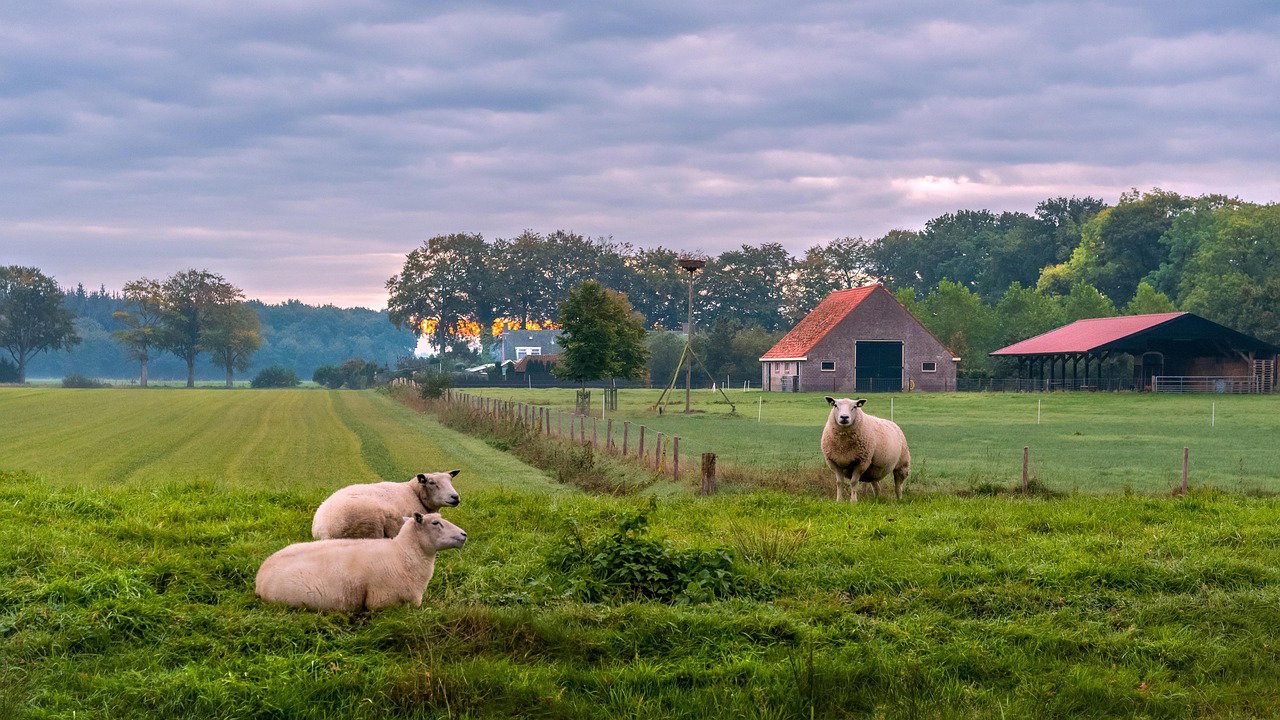
Maximizing 1.75 Acres: Fodder Rotation, High-Value Crops & Daily Cash Flow
In Part 1, we laid out the architectural blueprint for an integrated 2-acre retirement homestead, packing housing, livestock units, and farm storage into a compact 100ft by 100ft footprint.
However, clever spatial design is only half the battle. To ensure the farm remains a source of steady income rather than an exhausting manual chore, you need an organized, low-stress operational model.
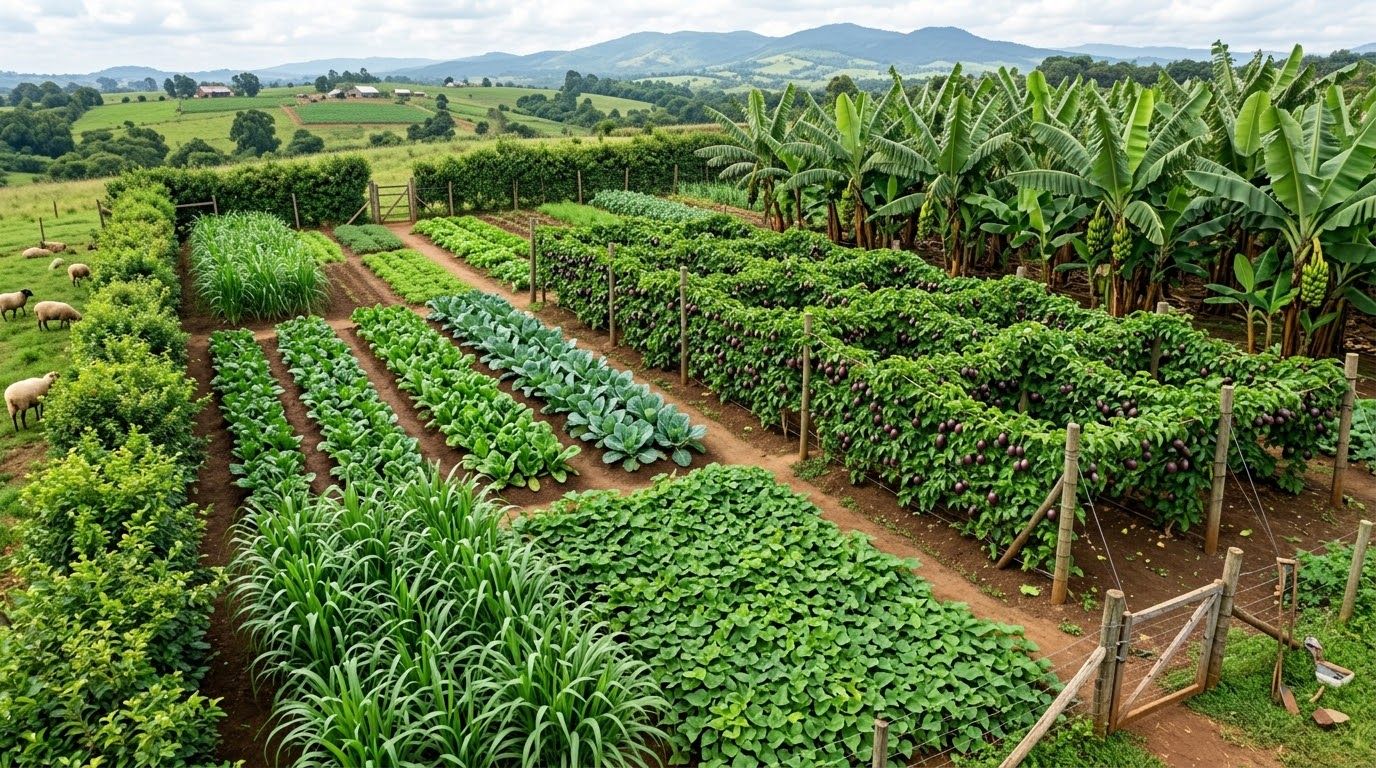
This guide details how to manage the 1.75 acres of production land, establish a self-sustaining livestock feeding loop, and run a high-rotation vegetable system that yields daily and weekly cash flow.
1. The Livestock Engine: Feeds, Fodder Planning & Rations
Keeping 5 dairy cows, 20 sheep, and 100 chickens on a small acreage without buying expensive commercial feeds requires strict fodder planning. The goal is to grow 80–90% of your total feed on-site using high-yielding, protein-rich forage crops.
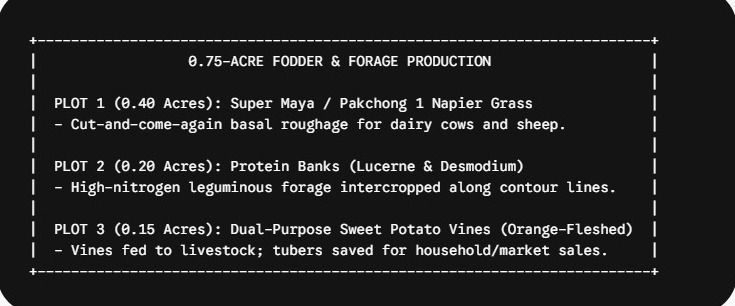
Daily Feed Allocation for 5 Dairy Cows
A high-yielding dairy cow in zero-grazing requires approximately 10% of its body weight in fresh green fodder daily (or ~3–4% dry matter basis), balanced between energy roughage and protein legumes.
| Feed Category | Primary Crops Used | Daily Requirement (Per Cow) | Total Daily Need (5 Cows) |
| Basal Energy Roughage | Super Maya Napier Grass, Boma Rhodes Hay | 35 – 40 kg (Chipped & Wilted) | 175 – 200 kg |
| Protein Legumes | Lucerne, Desmodium, Sweet Potato Vines | 8 – 12 kg (Fresh) | 40 – 60 kg |
| Mineral & Energy Boost | Dairy Meal / Maize Germ + Mineral Lick | 2 – 4 kg (At milking) | 10 – 20 kg |
| Clean Water | Solar Borehole / Harvested Tank | 60 – 100 Liters | 300 – 500 Liters |
Pro Tip: Always wilt fresh Napier grass for 12–24 hours before chopping and feeding. Feeding freshly cut, wet Napier causes bloating and lowers milk butterfat content.
The 20-Head Sheep Feeding System
Sheep are efficient converters of roughage and crop residues. In the raised slotted pen:
- Morning Feed: Chopped sweet potato vines and Lucerne mixed with wilted Napier grass.
- Afternoon Feed: Dry hay harvested from perimeter borders, supplemented with pruned vegetable waste (outer cabbage leaves, spinach stalks).
- Perimeter Forage: Branches from the living border fence (Calliandra and Gliricidia) are cut and hung inside the pen, providing a high-protein fodder that reduces internal parasite risks.
2. Zone B: 0.50-Acre High-Rotation Vegetable Crop System
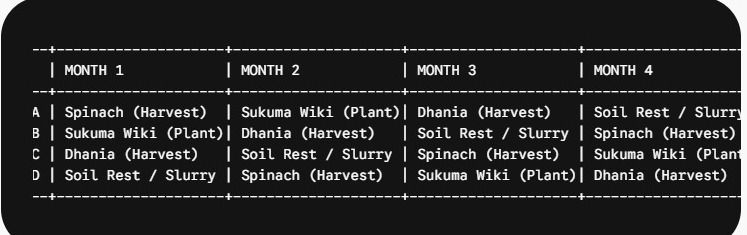
To maintain daily and weekly market sales, Zone B is divided into four 0.125-acre blocks. Planting on a staggered schedule ensures you harvest vegetables every week rather than dumping a single massive yield onto the market all at once.
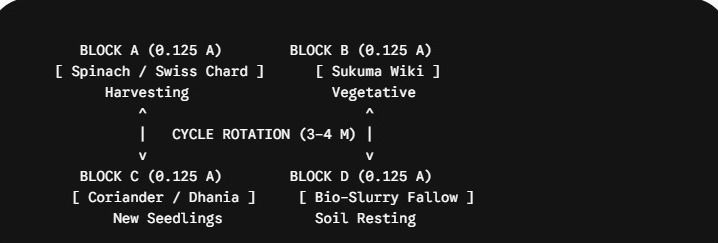
Staggered Planting & Harvest Rotation Schedule
Key Vegetable Crop Selection
- Spinach & Swiss Chard (Block A): Provides continuous harvests for 4–6 months. Pluck mature outer leaves twice weekly to encourage fast new growth.
- Sukuma Wiki / Kale (Block B): Highly resilient staple crop with a high turn-over rate in nearby urban centers and local schools.
- Coriander / Dhania (Block C): Short-maturity crop (30–45 days from seed to harvest). It offers quick turnover and high profit margins relative to the small plot size.
- Soil Rest & Fertigation (Block D): Each block periodically undergoes a 3-week rest period. During this time, rich bio-slurry from the bio-digester is applied into the soil to rebuild organic matter and earthworm activity before re-planting.
3. Zone C: Long-Term Equity & Boundary Crops (0.50 Acres)
While vegetables generate weekly income, tree crops act as seasonal bonuses and long-term equity builders.
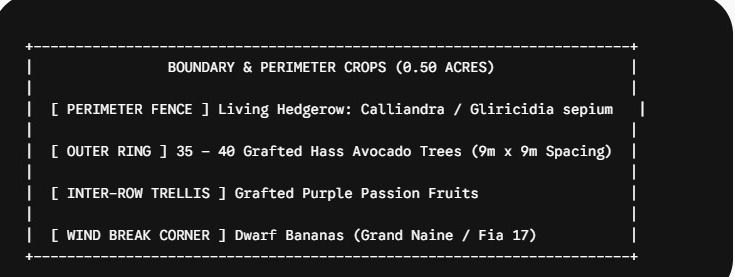
- Hass Avocados (35–40 Trees):
- Spaced 9m by 9m along the farm boundary.
- Begins bearing fruit at Year 3, reaching full maturity at Year 5–6.
- Income Potential: A mature Hass avocado tree yields 800–1,200 fruits per season, sold directly to export aggregators or local processors.
- Grafted Purple Passion Fruit:
- Trellised on wires running between young avocado rows.
- Yields harvestable fruit within 9–12 months, producing up to 2 years before needing replacement.
- Highly demanded by juice vendors, hotels, and local markets.
- Dwarf Bananas (Grand Naine / Fia 17):
- Planted near wastewater drainage paths and runoff collection zones.
- Produce heavy bunches that can be harvested year-round for cooking or ripening.
4. Daily Farm Labor & Management Schedule
Running this farm shouldn't take over your entire retirement. With automated drip irrigation and integrated systems, daily operations can be handled smoothly by one resident farm worker and the owner taking a supervisory role.
06:00 AM - 07:30 AM | Morning Milking & Feeding
                     - Milk cows, record yields, and deliver fresh milk.
                     - Feed cows, sheep, and poultry morning rations.
                     - Flush cow shed manure directly into the bio-digester.

07:30 AM - 09:00 AM | Irrigation & Crop Management
                     - Turn on solar-powered drip irrigation for vegetables.
                     - Check passion fruit trellises and prune suckers.

09:00 AM - 01:00 PM | Field Work & Harvesting (Workers / Owner)
                     - Cut, chop, and wilt Napier grass for afternoon feeds.
                     - Harvest vegetables for scheduled afternoon buyer pickups.

04:00 PM - 05:30 PM | Evening Milking & Farm Lockdown
                     - Evening milking and second feeding cycle.
                     - Collect eggs from the poultry unit above the sheep pen.
                     - Secure livestock housing and check water storage levels.
What’s Next in This Series?
In Part 3, we focus on technical engineering: sizing the 5kW solar power system, selecting the right submersible borehole pumps, and installing a 10 –15m3 bio-digester to power your home and fuel your crops.