Rearing Layer Chicken in Kenya: From Pullets to First Egg Production
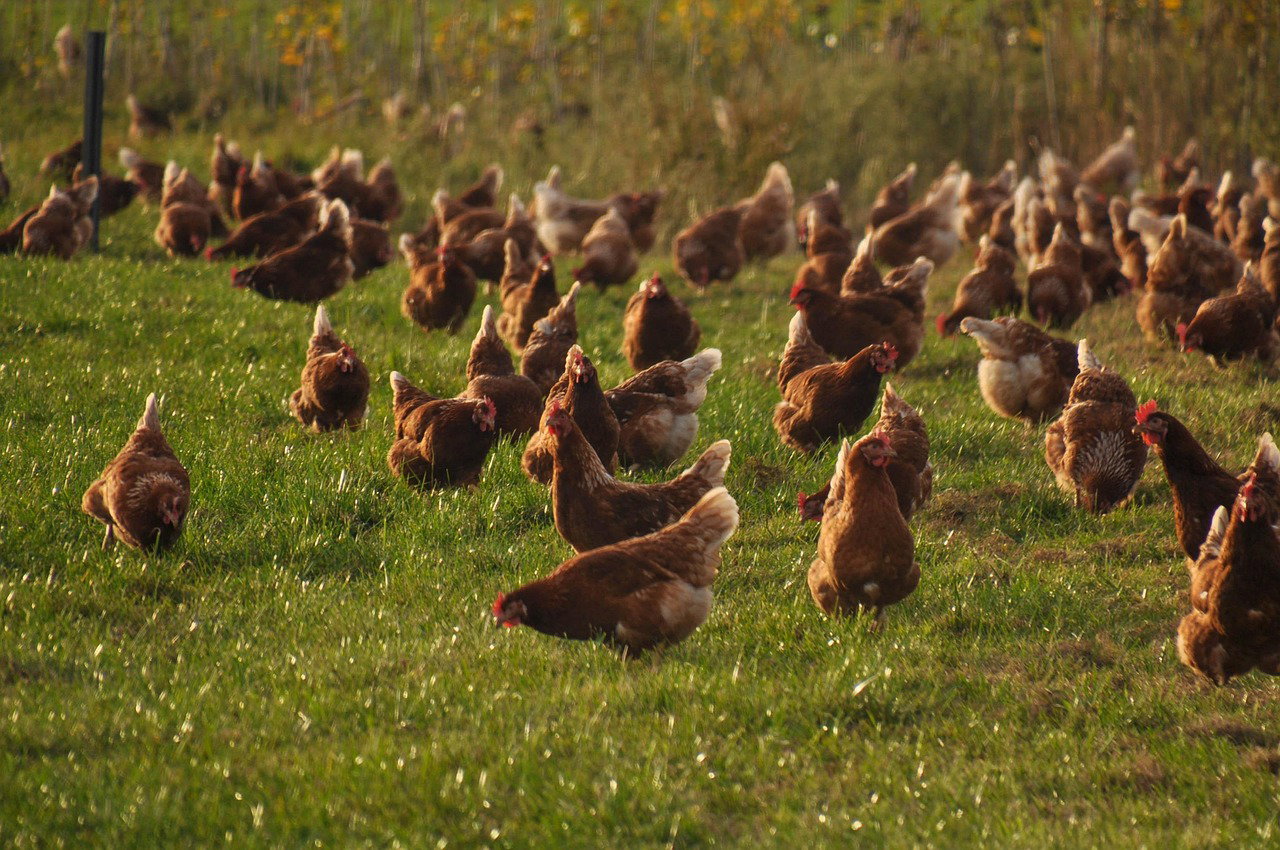
Once your layer chicks hit week 5, the high-risk, intense brooding phase is officially behind you. Your birds are growing fast, developing their skeletal frameworks, and growing true feathers.
Welcome to the Transition Phase (Weeks 5 to 18).
For beginner poultry farmers in Kenya, this is often the most financially testing period. Your birds—now called pullets—will eat a massive amount of feed over the next three to four months without producing a single egg to offset the bills. Because of this, it is tempting to cut corners on feed quality or skip vital medications. Doing so is a recipe for disaster.
To ensure your birds hit a high, uniform peak laying rate later on, you must master their nutritional timeline and stick strictly to the Kenyan poultry vaccination calendar.
1. The Nutritional Timeline: Growing Uniform Pullets
The goal of this phase is flock uniformity. If 20% of your birds grow too fast and get fat, while another 30% are stunted and small, they will lay eggs at wildly erratic intervals, and your profit margins will plummet.
To achieve a uniform flock, you must transition their feed carefully according to their biological age.
                  [ LAYER FEED TRANSITION TIMELINE ]

  Weeks 1-8                         Weeks 9-18                          Week 19+
  [ CHICK MASH ] ------> [ GROWERS MASH ] ------> [ LAYERS MASH ]
  * High Protein                 * High Fiber                     * High Calcium
  * Bone & Frame             * Steady Growth               * Continuous Eggs
Phase 1: Finishing the Chick Stage (Weeks 5 to 8)
- The Feed: Continue feeding high-quality Chick Mash until the end of week 8. This feed is packed with high protein (around 18–20%) to build the structural frame, organs, and strong immune systems.
- Daily Target: By week 8, a single chick should be consuming roughly 45 to 55 grams of feed per day.
Phase 2: The Growers Stage (Weeks 9 to 18)
- The Feed: Smoothly transition your flock over a period of 5 days onto Growers Mash. Growers Mash has lower crude protein (around 14–16%) but a higher fiber content.
- Why Lower Protein? If you continue feeding high-protein Chick Mash past week 8, your pullets will gain weight too rapidly. A fat pullet builds internal fat pads around its reproductive tract. This leads to two major issues: small, low-quality eggs, or prolapse (a fatal condition where the bird's oviduct pushes out during laying and fails to retract, leading to internal bleeding or cannibalism by other birds).
- Daily Target: Start at 60 grams per bird per day at week 9, steadily increasing to about 85 to 90 grams per bird per day by week 18.
2. Standard Vaccination Schedule for Kenya
Diseases like Newcastle or Gumboro can wipe out 80% to 100% of an unvaccinated flock within 48 hours. In Kenya, poultry diseases thrive due to shifting weather patterns, particularly during the transition from dry spells to rainy seasons.
Below is the standard, non-negotiable vaccination blueprint required for commercial layers in Kenya. Always source vaccines from a reputable local agrovet that preserves them in a cold chain (refrigerated).
| Age of Bird | Vaccine Name | Target Disease | Mode of Administration |
| Day 1 | Marek’s Disease | Marek's Paralysis | Injection (Done at Hatchery) |
| Week 1 (Day 7) | Gumboro (1st Dose) | Infectious Bursal Disease | Drinking Water |
| Week 2 (Day 14) | Newcastle (1st Dose) | Newcastle Respiratory Disease | Eye Drop / Drinking Water |
| Week 3 (Day 21) | Gumboro (2nd Dose) | Infectious Bursal Disease | Drinking Water |
| Week 4 (Day 28) | Newcastle (2nd Dose) + Lasota | Newcastle Protection | Drinking Water |
| Week 6 (Day 42) | Fowl Pox | Fowl Pox Warts/Lesions | Wing Web Stab |
| Week 8 (Day 56) | Fowl Typhoid | Salmonellosis / Severe Diarrhea | Intramuscular Injection |
| Week 16 | Newcastle + IB (Booster) | Egg Drop Syndrome prevention | Drinking Water / Injection |
| Week 18 | Fowl Typhoid (Booster) | Long-term Salmonellosis block | Intramuscular Injection |
💡 Important Vaccine Rules for Beginners:
- Never vaccinate a sick flock. If your birds are coughing or showing signs of coccidiosis, treat the illness first before administering a vaccine.
- When putting vaccines in drinking water, ensure the water is free of chlorine (use borehole, rainwater, or tap water treated with a chlorine neutralizer like skimmed milk powder). Dissolve the vaccine quickly and withdraw water for 1 to 2 hours beforehand so the birds are thirsty enough to drink it all within two hours.
3. General Pullet Management & Hygiene
As your birds grow larger, they require more physical space and stricter bio-security measures to prevent stress-induced setbacks.
- Debeaking (Beak Trimming): Layers have a natural tendency to peck at each other out of curiosity or boredom. To prevent severe cannibalism, feather plucking, and future egg eating, layers are typically debeaked between week 8 and week 12. Engage an experienced poultry technician to do this using a hot-blade machine. An improper cut can permanently damage the bird's tongue or ability to eat.
- Spacing Requirements: Ensure your birds are not crowded. In a deep litter floor system, give growing pullets at least 2 square feet of space per bird. Crowding restricts access to feeders, causing smaller birds to get bullied and starved.
- Deworming: Introduce routine deworming at week 8, and repeat it every 8 to 12 weeks. Internal worms steal nutrients directly from the bird’s gut, leading to poor growth and a severe delay in the onset of egg production.
By the time your flock reaches week 18, their combs and wattles will turn a bright, vibrant red, and you will hear them making distinct cackling sounds. They are physically priming themselves for the ultimate goal: their very first eggs.