Step-by-Step SOP: Fruit Tree Grafting for Beginners in Kenya
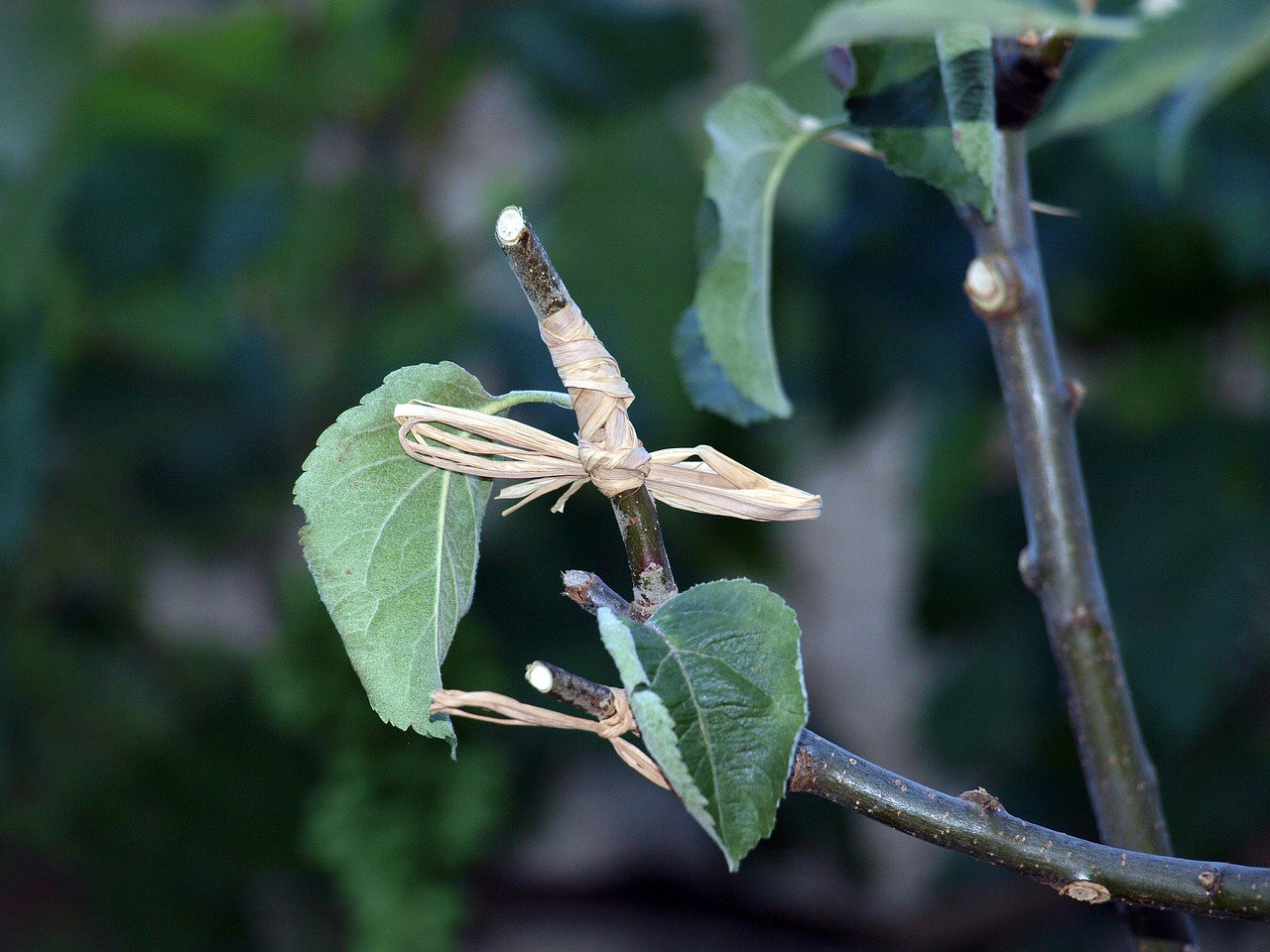
Fruit tree grafting is a simple but powerful technique used in nurseries to produce high-quality fruit seedlings. Instead of growing trees directly from seed (which often produce poor fruits), grafting combines a strong root system with a superior fruit variety.
Most commercial fruit seedlings sold in Kenya, especially avocado, mango, and citrus, are grafted.
This guide provides a practical Standard Operating Procedure (SOP) for beginners who want to learn grafting for a fruit tree nursery business.
What Is Fruit Tree Grafting?
Grafting is the process of joining two plant parts so they grow as one plant.
The two parts are:
Rootstock
- The lower part with roots
- Provides disease resistance and strong growth
Scion
- A cutting from a mature tree with desirable fruit qualities
Once joined, the scion grows and produces the same fruit as the mother tree.
Fruit Trees Commonly Grafted in Kenya
Most nursery operators graft the following:
- Avocado (Hass, Fuerte, Pinkerton)
- Mango (Apple, Kent, Ngowe, Tommy Atkins)
- Citrus (orange, lemon, tangerine, pixie)
Less common but possible:
- Cashew
- Guava
- Sapote
Tools and Materials Needed
Before starting, prepare the following:
Essential Tools
- Sharp grafting knife or razor blade
- Secateurs (pruning scissors)
- Grafting tape or polythene strips
- Clean cloth
Nursery Materials
- Healthy rootstock seedlings in polybags
- Scion wood from a mature fruit tree
- Labels for varieties
Hygiene Materials
- Alcohol or disinfectant for tools
Clean tools prevent disease transmission.
Best Time to Do Grafting in Kenya
Grafting works best when plants are actively growing.
Ideal seasons:
- Start of rainy season
- Warm months with moderate humidity
Common nursery grafting periods:
- February – April
- August – October
Selecting a Good Rootstock
The rootstock should:
- Be 3–6 months old
- Have a pencil-thick stem
- Be disease free
- Be well watered
Weak rootstocks lead to graft failure.
Selecting Good Scion Wood
The scion should come from a healthy and productive mother tree.
Characteristics:
- Mature but not woody
- About 10–15 cm long
- With 2–3 buds
- Disease-free
Cut scions early morning and use them immediately.
Step-by-Step Fruit Tree Grafting SOP
Step 1: Prepare the Rootstock
- Select a healthy seedling in a polybag.
- Cut the stem about 20–30 cm above the soil.
- Make a vertical slit about 2–3 cm deep in the center.
This prepares the rootstock to receive the scion.
Step 2: Prepare the Scion
- Take the scion stick.
- Trim leaves if present.
- Shape the lower end into a wedge or V shape.
This wedge allows tight contact with the rootstock.
Step 3: Insert the Scion
- Carefully open the slit on the rootstock.
- Insert the scion wedge into the slit.
- Ensure the cambium layers touch.
Cambium contact is essential for the graft to heal.
Step 4: Tie the Graft Union
- Wrap the joint tightly with grafting tape or polythene strips.
- Cover the entire union to prevent moisture loss.
This keeps the scion stable and prevents drying.
Step 5: Protect the Scion
Some nurseries cover the scion with a clear plastic sleeve.
Benefits:
- Retains moisture
- Improves graft success
Step 6: Place Seedlings Under Shade
Keep grafted seedlings under 50–70% shade.
Avoid:
- Direct sun
- Strong wind
This reduces stress on the new graft.
Aftercare for Grafted Seedlings
Proper care determines success.
Watering
Water daily but avoid waterlogging.
Remove New Shoots
Any shoots from the rootstock must be removed so energy goes to the scion.
Pest Control
Watch for:
- Aphids
- Leaf miners
- Fungal infections
How Long Does Grafting Take to Heal?
Signs of success appear after:2–3 weeks
Indicators:
- Scion buds start sprouting
- Leaves begin forming
If the scion dries or turns black, the graft has failed.
When to Remove the Grafting Tape
Tape can be removed after:4–6 weeks
At this stage the graft union has healed.
When Seedlings Are Ready for Sale
Most grafted fruit seedlings are ready in:2–4 months
Depending on:
- Fruit type
- Growth rate
- Nursery care
Grafting Success Rates
Beginner success rates:
- 40–60% initially
With practice:
- 80–90% success
Professional nurseries often achieve above 90%.
Common Grafting Methods Used in Kenya
Cleft Grafting
Most common for mango and avocado.
Veneer Grafting
Often used for mango.
Budding
Common for citrus.
Beginners usually start with cleft grafting because it is simple.
Common Mistakes Beginners Make
Avoid these common problems: Using blunt knives
Crushes plant tissue. Using weak scions
Results in poor growth. Poor cambium contact
Prevents healing. Loose wrapping
Causes drying. Too much sunlight after grafting
Kills young grafts.
Tips for High Grafting Success
Practice Often
Skill improves quickly with practice.
Keep Tools Sharp
Clean cuts heal faster.
Use Healthy Mother Trees
Quality scions produce quality seedlings.
Work in the Morning
Plants are well hydrated.
Maintain Nursery Hygiene
Prevents diseases.
Final Thoughts
Fruit tree grafting is one of the most valuable skills for a nursery entrepreneur in Kenya. It allows you to produce high-quality, fast-fruiting seedlings that farmers are willing to pay premium prices for.
With a small nursery, basic tools, and some practice, beginners can quickly learn grafting and build a profitable fruit seedling business supplying farmers, agro-dealers, and institutions.fruit seedlings sold in Kenya