Step-by-Step SOP: Raising Ruiru 11 Coffee Seedlings in Kenya
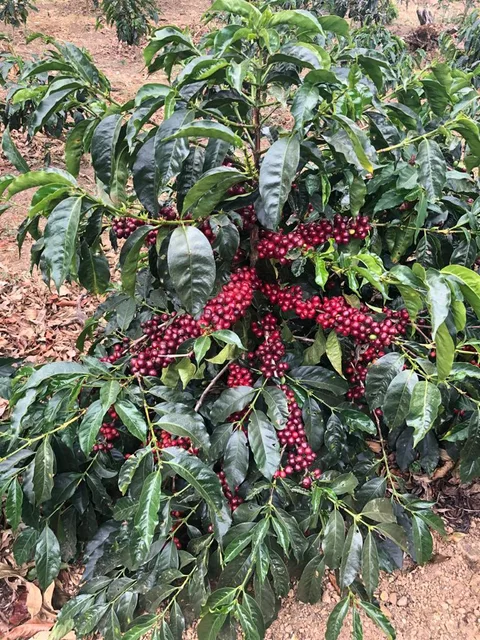
Ruiru 11 is one of the most popular coffee varieties in Kenya today. It was developed to help farmers overcome diseases that affect traditional coffee varieties while increasing yields and reducing farm space requirements.
For nursery operators and coffee farmers, raising Ruiru 11 coffee seedlings can be a profitable venture because demand remains high in most coffee-growing counties such as Kiambu, Nyeri, Murang’a, Kirinyaga, Embu, and parts of Rift Valley.
This Standard Operating Procedure (SOP) explains how to raise healthy Ruiru 11 coffee seedlings from seed to transplant-ready stage.
What Is Ruiru 11 Coffee?
Ruiru 11 is a compact hybrid Arabica coffee variety developed in Kenya by coffee researchers.
Key Advantages
- Resistant to Coffee Berry Disease (CBD)
- Resistant to Coffee Leaf Rust
- High yielding
- Suitable for high-density planting
- Early maturity (about 2–3 years to first harvest)
Because of these advantages, many farmers prefer Ruiru 11 over traditional SL varieties.
Requirements for Raising Ruiru 11 Seedlings
Before starting a nursery, prepare the following.
Materials Needed
- Certified Ruiru 11 seeds
- Polybags (6 × 9 inches)
- Topsoil
- River sand
- Well-decomposed manure
- Shade net or grass shade
Tools
- Watering can
- Spade or shovel
- Wheelbarrow
- Secateurs
Ideal Conditions for a Coffee Nursery
Coffee seedlings thrive under the following conditions:
Partial shade (50–60%)
Reliable water supply
Well-drained soil
Protection from wind and animals
Most coffee nurseries are established under shade structures made from shade net or grass thatch.
Step-by-Step SOP for Raising Ruiru 11 Coffee Seedlings
Step 1: Source Certified Ruiru 11 Seeds
Seeds must be obtained from reliable sources such as:
- Certified coffee nurseries
- Coffee research institutions
- Licensed seed suppliers
Avoid using seeds from unknown sources because they may not be true Ruiru 11.
Step 2: Prepare the Nursery Site
Choose a site that:
- Has good drainage
- Is close to water
- Is protected from animals
Construct a shade structure that blocks about 50–60% sunlight.
Step 3: Prepare the Soil Mixture
Coffee seedlings require fertile soil.
Recommended mix:
3 parts topsoil
1 part river sand
1 part well-decomposed manure
Mix thoroughly to ensure uniform fertility and drainage.
Step 4: Prepare Seedbeds for Germination
Coffee seeds are first germinated in raised nursery beds.
Procedure:
- Make beds about 1 meter wide.
- Loosen soil and mix with sand.
- Level the surface.
Spacing:
Seeds should be placed 2–3 cm apart in rows.
Step 5: Sow the Coffee Seeds
Plant seeds about 1–2 cm deep.
Cover lightly with sand or fine soil.
After planting:
Water gently but thoroughly.
Step 6: Germination and Early Care
Coffee seeds usually germinate within:6–8 weeks
During this stage:
- Maintain moist soil
- Provide adequate shade
- Remove weeds regularly
Seedlings will first appear in the “matchstick stage”, followed by the “butterfly stage.”
Step 7: Transplant Seedlings to Polybags
When seedlings reach the butterfly stage, they are ready for transplanting.
Procedure:
- Carefully uproot seedlings with soil around roots.
- Transfer into polybags filled with prepared soil mixture.
- Water immediately after transplanting.
This stage allows roots to develop properly.
Step 8: Nursery Management
Proper care is essential for healthy seedlings.
Watering
Water seedlings daily during dry periods.
Weeding
Remove weeds regularly.
Pest Monitoring
Watch for pests such as:
- Aphids
- Leaf miners
Apply recommended control measures if necessary.
Growth Period in Polybags
Coffee seedlings remain in polybags for about:6–9 months
During this time they develop:
- Strong root systems
- Multiple leaves
- Healthy stems
When Are Ruiru 11 Seedlings Ready for Planting?
Seedlings are ready when they:
- Are 20–30 cm tall
- Have 5–6 pairs of leaves
- Have a strong root system
At this stage they can be transplanted to the farm.
Spacing for Field Planting
Ruiru 11 is a compact variety that allows high-density planting.
Typical spacing:
2 meters × 2 meters
This allows more plants per acre compared to traditional coffee varieties.
Income Potential from a Coffee Nursery
Coffee seedlings are usually sold at:
Ksh 60 – 100 per seedling
Example:1,000 seedlings × Ksh 80= Ksh 80,000 revenue
Production costs are relatively low, making coffee nurseries a good agribusiness.
Common Mistakes in Coffee Nurseries
Avoid these mistakes:
- Using uncertified seeds
- Overwatering seedlings
- Poor shade management
- Transplanting seedlings too early
These issues reduce seedling survival rates.
Tips for Raising Strong Ruiru 11 Seedlings
Use Certified Seeds
This ensures true varieties.
Maintain Proper Shade
Too much sunlight damages young coffee plants.
Maintain Nursery Hygiene
Clean nurseries reduce disease risks.
Water Consistently
Coffee seedlings do not tolerate drought.
Final Thoughts
Raising Ruiru 11 coffee seedlings is an excellent opportunity for farmers and nursery entrepreneurs in Kenya. With proper nursery management and certified seeds, a small nursery can produce thousands of seedlings each year, supplying coffee farmers across the country.
As Kenya continues revitalizing its coffee sector, the demand for improved coffee planting materials such as Ruiru 11 is expected to remain strong.