Using SL Coffee as Rootstock to Graft Ruiru 11 and Other Varieties in Kenya
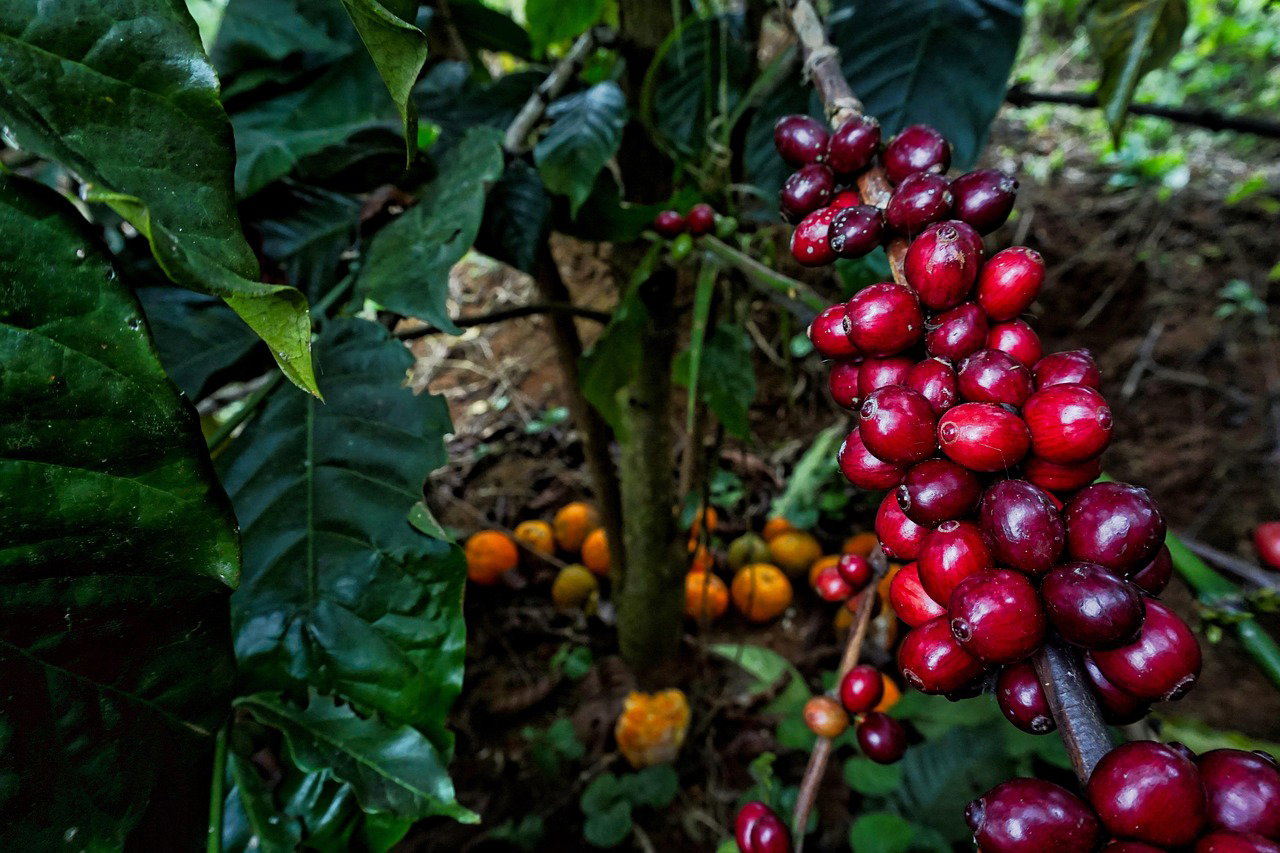
Coffee farming remains one of Kenya’s most valuable agricultural sectors. With rising demand for high-yielding and disease-resistant coffee varieties, farmers are increasingly buying improved coffee seedlings from nurseries.
One promising agribusiness opportunity is raising coffee rootstocks and grafting improved varieties such as Ruiru 11 or Batian onto them. This method produces seedlings that combine strong root systems with high productivity, making them attractive to farmers.
Many nursery operators use SL coffee varieties as rootstock, which can then be grafted with improved cultivars and sold for profit.
This guide explains how to use SL coffee as rootstock, how to graft improved varieties, and how a nursery entrepreneur can make income from this venture in Kenya.
What Is SL Coffee?
SL coffee refers to two famous Kenyan coffee varieties developed in the 1930s:
- SL28
- SL34
The “SL” stands for Scott Agricultural Laboratories, where these varieties were developed during the colonial period.
Key Characteristics of SL Coffee
SL varieties are famous for:
- Exceptional cup quality
- Strong root systems
- Adaptability to Kenyan highlands
- Deep rooting that tolerates dry conditions
However, SL varieties are susceptible to major coffee diseases, especially:
- Coffee Berry Disease (CBD)
- Coffee Leaf Rust (CLR)
Because of these weaknesses, farmers now prefer improved varieties like Ruiru 11 and Batian.
Why Use SL Coffee as Rootstock?
Despite their disease susceptibility above ground, SL varieties have very strong root systems, making them good candidates for rootstock.
Benefits of using SL rootstock include:
1. Strong Root System
SL varieties develop deep and vigorous roots that support strong plant growth.
2. Improved Adaptability
Rootstocks can improve tolerance to poor soils and drought conditions.
3. Higher Seedling Survival Rates
Grafted seedlings often establish faster in the field.
4. Increased Nursery Value
Grafted coffee seedlings sell for higher prices than ordinary seedlings.
Coffee Varieties That Can Be Grafted Onto SL Rootstock
Common scion varieties include:
Ruiru 11
A compact hybrid coffee variety.Advantages:
- Resistant to Coffee Berry Disease
- High yielding
- Suitable for high-density planting
Batian
A newer improved coffee variety.Advantages:
- High yield
- Good cup quality
- Resistant to major diseases
Traditional Arabica Varieties
Some nurseries also graft:
- SL28
- SL34
Although this is less common.
Income Potential from Grafted Coffee Seedlings
Coffee seedlings in Kenya typically sell for:
| Type of Seedling | Price (Ksh) |
|---|---|
| Ordinary coffee seedling | 30 – 50 |
| Improved coffee seedling | 60 – 100 |
| Grafted coffee seedling | 100 – 200 |
A nursery producing 1,000 grafted seedlings could generate:1,000 × 120 = Ksh 120,000 revenue per cycle
Production costs are relatively low, making it a profitable small agribusiness.
Step-by-Step SOP: Propagating SL Coffee Rootstocks
Step 1: Source SL Coffee Seeds
Seeds should come from:
- Certified coffee farms
- Research stations
- Coffee cooperatives
Using healthy seeds ensures strong rootstocks.
Step 2: Prepare a Coffee Nursery
Coffee nurseries require:
- Partial shade (50–60%)
- Reliable water supply
- Well-drained soil
Shade structures can be made using:
- Shade net
- Grass thatching
Step 3: Prepare Nursery Soil
Recommended soil mix:
3 parts topsoil
1 part river sand
1 part well-decomposed manure
Fill the mixture into polybags.
Common bag size:6 × 9 inches.
Step 4: Germinate Coffee Seeds
Coffee seeds are first germinated in nursery beds.
Procedure:
- Prepare raised seedbeds.
- Sow seeds in rows about 2 cm deep.
- Cover lightly with sand.
- Water regularly.
Seeds typically germinate in 6–8 weeks.
Step 5: Transplant to Polybags
When seedlings develop two leaves (butterfly stage):
- Carefully uproot them.
- Transplant into polybags.
- Water immediately.
These seedlings will become future rootstocks.
When Are Coffee Rootstocks Ready for Grafting?
Rootstocks are usually ready when they are:6–8 months old
Characteristics:
- Pencil-thick stem
- Healthy leaves
- Strong root system
Step-by-Step SOP: Grafting Coffee Seedlings
Step 1: Select Healthy Rootstock
Choose seedlings that are:
- Vigorous
- Straight stem
- Disease-free
Step 2: Collect Scion Material
Scions should come from mature Ruiru 11 or Batian trees.
Characteristics:
- Healthy
- About 8–10 cm long
- With 2–3 buds
Step 3: Cut the Rootstock
Cut the rootstock about 15–20 cm above soil level.
Make a vertical slit about 2–3 cm deep.
Step 4: Prepare the Scion
Shape the lower end of the scion into a wedge shape.
This allows it to fit tightly into the rootstock slit.
Step 5: Insert the Scion
Place the scion wedge into the slit.
Ensure the cambium layers touch.
This is critical for graft success.
Step 6: Wrap the Graft
Use:
- Grafting tape
- Plastic strips
Wrap tightly to hold the graft union.
Step 7: Provide Shade and Care
Place grafted seedlings under nursery shade.
Avoid:
- Direct sun
- Strong wind
Water regularly.
Healing and Growth
Signs of successful grafting appear after: 3–4 weeks
Indicators:
- Buds begin sprouting
- New leaves emerge
Tape can be removed after 5–6 weeks.
When Coffee Seedlings Are Ready for Sale
Grafted seedlings are usually ready in:
3–4 months after grafting
At this stage they can be sold to farmers.
Tips for Successful Coffee Grafting
Use Sharp Tools
Clean cuts improve success rates.
Work Early Morning
Plants are less stressed.
Maintain Hygiene
Disinfect tools to prevent disease.
Practice Often
Grafting skill improves quickly with practice.
Challenges in Coffee Nursery Business
Some common challenges include:
- Pest attacks in nursery
- Poor seed sources
- Low graft success rate for beginners
Training and practice help overcome these issues.
Final Thoughts
Using SL coffee as rootstock to graft improved varieties such as Ruiru 11 or Batian is a practical way to produce high-quality coffee seedlings for Kenya’s growing coffee industry.
With proper nursery management and grafting skills, a small coffee nursery can become a profitable agribusiness supplying farmers with improved planting materials.
For entrepreneurs interested in agriculture, this venture offers a scalable opportunity with strong demand from coffee-growing regions across Kenya.